Pot cover for plants – Pot covers for plants, the unsung heroes of home décor, are more than just decorative accessories. They play a crucial role in plant health and aesthetics, offering a myriad of options to suit every taste and need.
From terracotta to ceramic and plastic, each pot cover material has its own advantages and disadvantages. Understanding these differences is essential for selecting the perfect cover for your specific plant.
Plant Cover Options: Pot Cover For Plants

Pot covers, also known as plant containers, come in a wide range of materials, each with its own advantages and disadvantages. Choosing the right pot cover for your plant is essential for its health and growth.
Material Options
- Terracotta: Terracotta is a porous material that allows for good drainage and aeration. However, it is also fragile and can be easily broken. Terracotta pots are best suited for plants that require good drainage, such as succulents and cacti.
- Ceramic: Ceramic is a non-porous material that retains moisture well. However, it can be heavy and expensive. Ceramic pots are best suited for plants that require consistent moisture, such as ferns and orchids.
- Plastic: Plastic is a lightweight and durable material that is easy to clean. However, it can be less aesthetically pleasing than other materials. Plastic pots are best suited for plants that are not particularly sensitive to drainage or moisture levels.
Decorative Styles and Designs
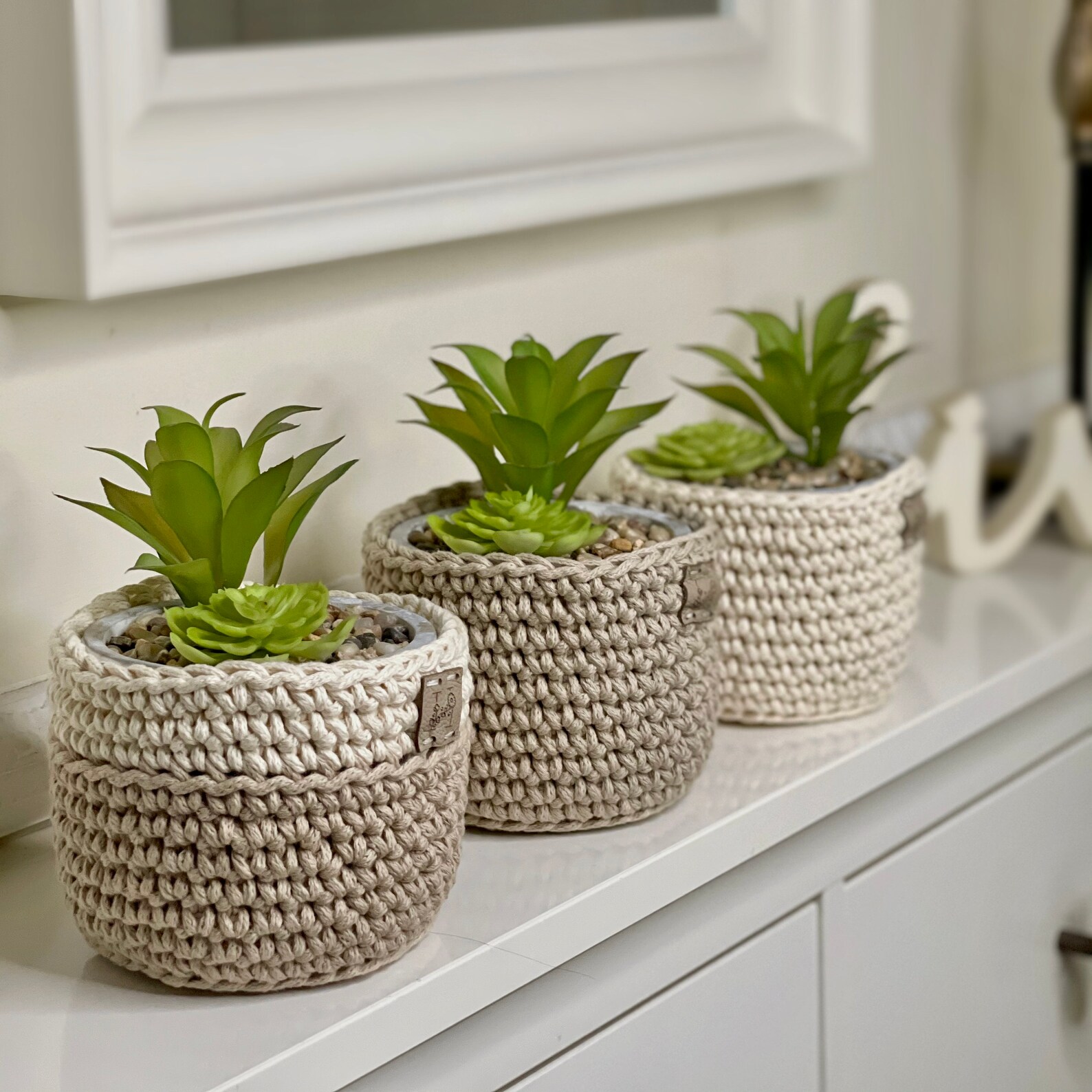
Pot covers offer a wide range of decorative styles and designs, allowing you to match them with your plant species and home décor. From traditional to modern and whimsical, there’s a pot cover to suit every taste.
- Traditional: Classic pot covers often feature intricate carvings, moldings, and earthy tones. They complement plants with lush foliage and traditional home décor styles.
- Modern: Modern pot covers emphasize clean lines, geometric shapes, and metallic accents. They pair well with succulents, cacti, and contemporary home décor.
- Whimsical: Whimsical pot covers incorporate playful designs, such as animal shapes, bright colors, and unique patterns. They add a touch of whimsy to any space and complement plants with interesting shapes or foliage.
When choosing a pot cover, consider the size, shape, and material of your plant. A larger plant may require a wider pot cover, while a smaller plant may look best in a narrower one. The shape of the plant can also influence the choice of pot cover, as some shapes may look more flattering in certain types of covers. Finally, the material of the pot cover should be durable and weather-resistant if it will be used outdoors.
Practical Considerations

Proper drainage is crucial for healthy plant growth, as it prevents waterlogging and root rot. Pot covers can affect drainage by obstructing water flow through the drainage holes at the bottom of the pot. To ensure optimal water flow, choose pot covers with large, unobstructed drainage holes. Additionally, elevate the pot slightly above the ground to allow for better drainage.
Weight and Durability, Pot cover for plants
Consider the weight of the pot cover when selecting one. Heavy covers can be difficult to move, especially when filled with soil and plants. Opt for covers made of lightweight materials such as plastic or fabric. Durability is also important, as pot covers can be exposed to various weather conditions. Choose covers made of durable materials that can withstand exposure to sunlight, rain, and wind.
Ease of Maintenance
Regular cleaning and maintenance are essential to keep pot covers looking their best and functioning properly. Choose covers that are easy to clean, such as those with smooth surfaces or removable liners. Covers made of weather-resistant materials require less maintenance and can withstand outdoor conditions better.