Prepare to be captivated by the lion’s foot plant, an extraordinary botanical wonder that has captivated herbalists, gardeners, and nature enthusiasts alike. With its striking foliage resembling a lion’s paw and an array of medicinal and ornamental benefits, this plant invites us on an enthralling journey through the realms of science and storytelling.
Native to the African savannas, the lion’s foot plant (Leonotis leonurus) boasts a rich history and diverse applications. Its captivating name, derived from the Greek words “leon” (lion) and “otos” (ear), aptly reflects the shape of its velvety leaves. Join us as we delve into the fascinating world of this remarkable plant, exploring its cultivation secrets, medicinal wonders, and ornamental allure.
Plant Overview

The lion’s foot plant, scientifically known as Alchemilla vulgaris, is a perennial flowering plant belonging to the Rosaceae family. It is native to Europe, Asia, and North Africa, and has naturalized in many other regions worldwide.
This herbaceous plant typically grows between 10-60 cm in height and forms a rosette of palmately lobed leaves. The leaves are dark green in color, with 7-11 lobes that are deeply serrated and have a distinctive crinkled appearance. The leaves are also covered in fine hairs, giving them a velvety texture.
Etymology
The common name “lion’s foot” is derived from the shape of the leaves, which resemble the paw of a lion. The genus name Alchemilla is derived from the Arabic word “al-kemelyah,” meaning “little alchemy,” which refers to the plant’s medicinal properties.
Cultivation and Care
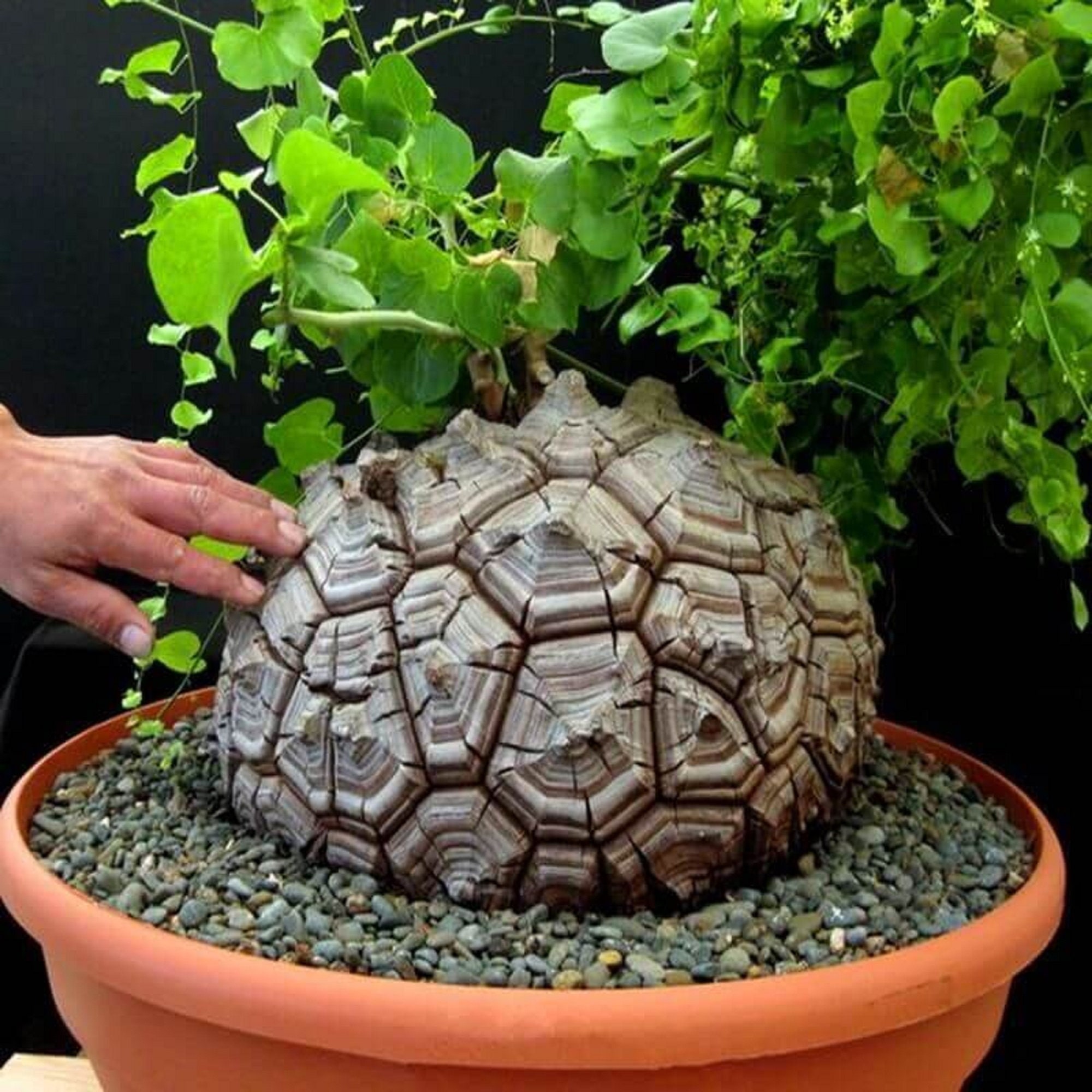
Cultivating and caring for the lion’s foot plant is relatively straightforward. By providing optimal growing conditions, soil preparation, planting techniques, and watering requirements, you can ensure the plant thrives and showcases its striking foliage.
Growing Conditions
Lion’s foot plants prefer well-drained, sandy or loamy soil with a pH range between 5.5 and 6.5. They require full sun to partial shade, with at least 4-6 hours of direct sunlight daily. The ideal temperature range for growth is between 18-24°C (64-75°F).
Soil Preparation
Prior to planting, amend the soil with organic matter such as compost or peat moss to improve drainage and fertility. Ensure the soil is loose and well-aerated to prevent waterlogging, which can lead to root rot.
Planting Techniques
When planting, dig a hole twice the width of the root ball and just as deep. Place the plant in the hole and backfill with soil, gently firming it around the base. Water thoroughly after planting.
Watering Requirements
Lion’s foot plants have moderate watering needs. Allow the soil to dry out slightly between waterings, as overwatering can cause root rot. During hot, dry periods, water more frequently, but avoid waterlogging.
Propagation
Lion’s foot plants can be propagated through cuttings or division. To propagate through cuttings, take stem cuttings in spring or summer and root them in a well-draining potting mix. For division, carefully divide the plant into smaller sections, ensuring each section has healthy roots.
Uses and Benefits: Lion’s Foot Plant

The lion’s foot plant has a rich history of use in traditional medicine and modern herbalism. It is also valued as an ornamental plant and has some culinary applications.
Medicinal Uses
Traditionally, the lion’s foot plant has been used to treat a variety of ailments, including:
- Fever
- Inflammation
- Pain
- Skin conditions
- Digestive problems
- Urinary tract infections
Modern research has confirmed some of these traditional uses. For example, studies have shown that the plant has antibacterial, antifungal, and anti-inflammatory properties.
Ornamental Uses
The lion’s foot plant is a popular ornamental plant, grown for its attractive foliage and flowers. The leaves are large and deeply lobed, with a velvety texture. The flowers are small and white, and they bloom in clusters.
The plant is easy to grow and can be grown in a variety of climates. It is a good choice for shady areas and can be used as a groundcover or in containers.
Culinary Uses, Lion’s foot plant
The leaves of the lion’s foot plant are edible and can be used in salads or cooked dishes. The leaves have a slightly bitter taste, but they are a good source of vitamins and minerals.
