The Buddha’s hand plant, with its distinctive finger-like protrusions, is a captivating botanical marvel that has captured the imagination of cultures across the globe. From its culinary versatility to its medicinal properties and spiritual significance, this unique plant weaves a tale of history, tradition, and scientific intrigue.
Botanically classified as Citrus medica var. sarcodactylis, the Buddha’s hand plant belongs to the Rutaceae family. Originating in China and Southeast Asia, it has spread to various subtropical regions, adding a touch of the exotic to gardens and cuisines worldwide.
Botanical Characteristics of Buddha’s Hand Plant

The Buddha’s hand plant (Citrus medica var. sarcodactylis) is a unique citrus fruit tree characterized by its distinctive appearance and morphology.
Scientific Classification
The Buddha’s hand plant belongs to the family Rutaceae and the genus Citrus. It is closely related to other citrus fruits such as oranges, lemons, and grapefruits.
Origin and Geographical Distribution
The exact origin of the Buddha’s hand plant is unknown, but it is believed to have originated in India or China. It is now widely cultivated in warm, subtropical regions around the world, including China, Japan, Southeast Asia, and the Mediterranean.
Unique Appearance and Morphology
The Buddha’s hand plant is characterized by its unusual fruit, which is shaped like a human hand with long, finger-like segments. The fruit is typically yellow or orange in color and has a thick, bumpy rind. The segments are fleshy and juicy, but they contain few seeds.
The tree itself is small and bushy, reaching a height of 2-3 meters. It has glossy, dark green leaves and produces fragrant white flowers in the spring.
Culinary and Medicinal Uses of Buddha’s Hand Plant
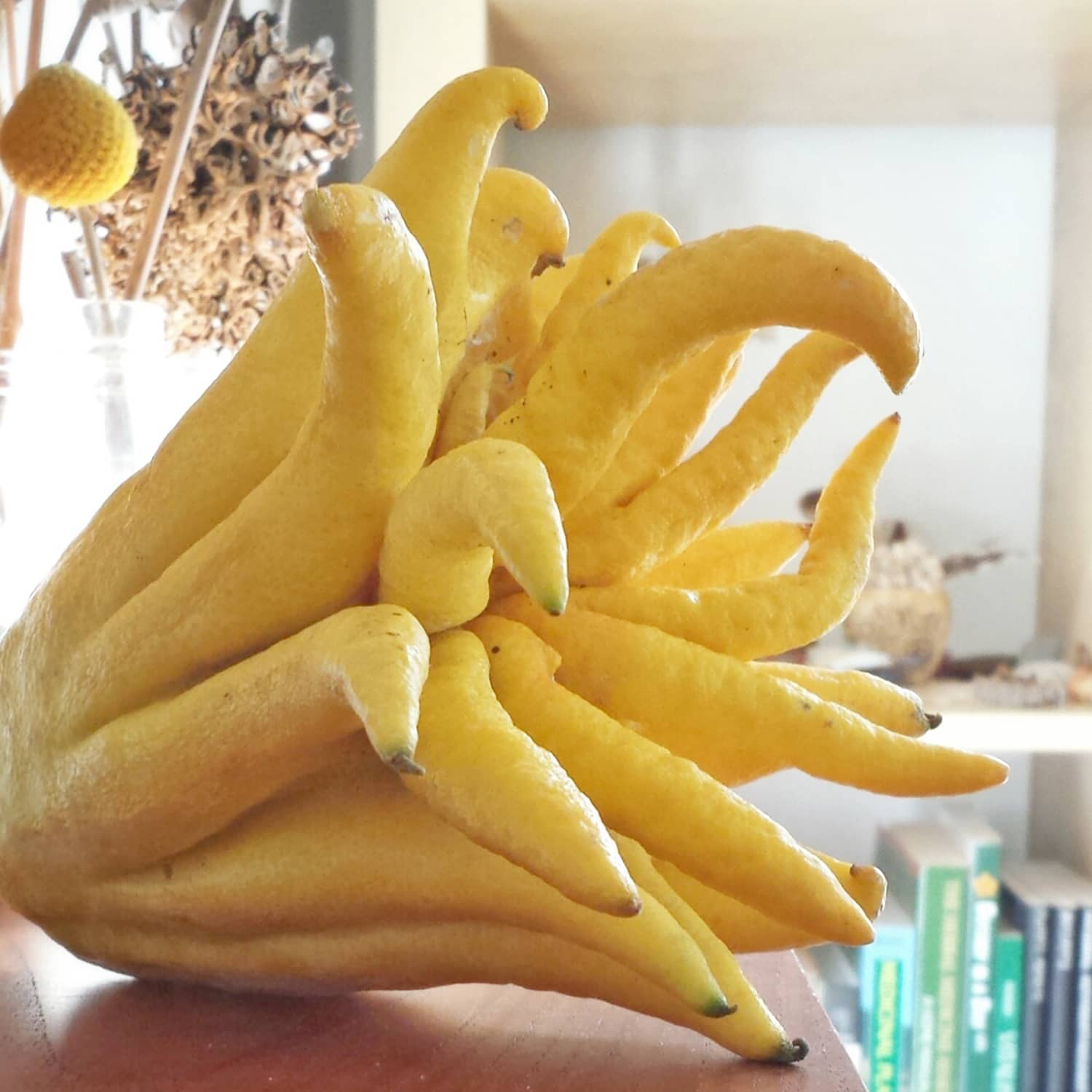
The Buddha’s hand plant offers a unique blend of culinary and medicinal applications. Its distinctive citrusy aroma and intricate appearance make it a captivating ingredient in various cuisines. Additionally, traditional medicine has long utilized this plant for its purported health benefits.
Culinary Applications
The Buddha’s hand fruit possesses a delicate flavor profile, characterized by a subtle sweetness and a hint of bitterness. Its zest, which is the outer skin, is highly aromatic and commonly used in Asian cuisine. Chefs incorporate the zest into stir-fries, desserts, and beverages, adding a refreshing citrusy note to dishes. The flesh of the fruit, though not as flavorful as the zest, can be candied or preserved to create a sweet treat.
Medicinal Uses
Traditional Chinese medicine has employed the Buddha’s hand plant for centuries to treat various ailments. The fruit is believed to possess anti-inflammatory and antioxidant properties, and is often used to alleviate digestive issues, reduce stress, and improve overall well-being. Some studies have suggested that extracts from the plant may have potential anti-cancer and anti-viral effects, though further research is needed to substantiate these claims.
Nutritional Value and Toxicity, Buddha’s hand plant
The Buddha’s hand plant is a low-calorie fruit, rich in vitamin C and potassium. It also contains small amounts of other vitamins and minerals. The plant is generally considered safe for consumption, but excessive intake of the fruit or its extracts may cause gastrointestinal discomfort. Individuals with citrus allergies should exercise caution when consuming Buddha’s hand products.
Cultural and Spiritual Significance of Buddha’s Hand Plant
The Buddha’s hand plant holds deep cultural and spiritual significance in various traditions. Its unique shape and fragrance have made it a symbol of purity, fertility, and good fortune in many cultures.
Religious Practices
In Buddhism, the Buddha’s hand is associated with the hand of Buddha himself. It is often used as an offering in temples and is believed to bring blessings and protection. In Chinese culture, the plant is associated with the deity Shou Xing, the god of longevity, and is used in ceremonies to wish for long life and prosperity.
Folklore and Art
In many cultures, the Buddha’s hand is associated with fertility and abundance. In some traditions, it is believed that carrying a Buddha’s hand will help women conceive. In art, the plant is often depicted in paintings and sculptures as a symbol of prosperity and good fortune.
Rituals and Ceremonies
The Buddha’s hand is used in various rituals and ceremonies around the world. In Chinese New Year celebrations, the plant is often used as a decoration and is believed to bring good luck for the coming year. In some parts of Asia, the plant is used in wedding ceremonies to symbolize fertility and abundance.