Root gel for plants is a revolutionary solution that empowers gardeners to unlock the full potential of their plant’s root systems. This powerful gel contains a blend of essential ingredients that nourish and stimulate root development, leading to healthier, more vigorous plants.
When applied to the roots of plants, root gel provides a direct source of nutrients, hormones, and other beneficial substances that promote rapid and robust root growth. This enhanced root system not only supports stronger anchorage and water uptake but also increases the plant’s ability to absorb essential nutrients from the soil.
Root Gel Benefits and Applications: Root Gel For Plants

Root gel, a plant growth stimulant, offers numerous advantages for plant health and development. Its unique formulation promotes robust root growth, leading to improved nutrient uptake, water absorption, and overall plant vigor.
The application of root gel is particularly beneficial for plant species with shallow root systems, such as tomatoes, peppers, and cucumbers. These plants often struggle to access nutrients and moisture from deeper soil layers, making them more susceptible to drought stress and nutrient deficiencies. By stimulating root growth, root gel helps these plants develop a more extensive root network, enabling them to access a larger volume of soil and extract essential resources.
Optimal Time and Methods for Applying Root Gel
The optimal time to apply root gel is during transplanting or when propagating new plants from cuttings. It is recommended to dip the roots of the plant into a solution of root gel before planting. Alternatively, the gel can be applied directly to the soil around the base of the plant. Root gel can also be used to treat damaged roots, promoting their regeneration and recovery.
Composition and Ingredients of Root Gels
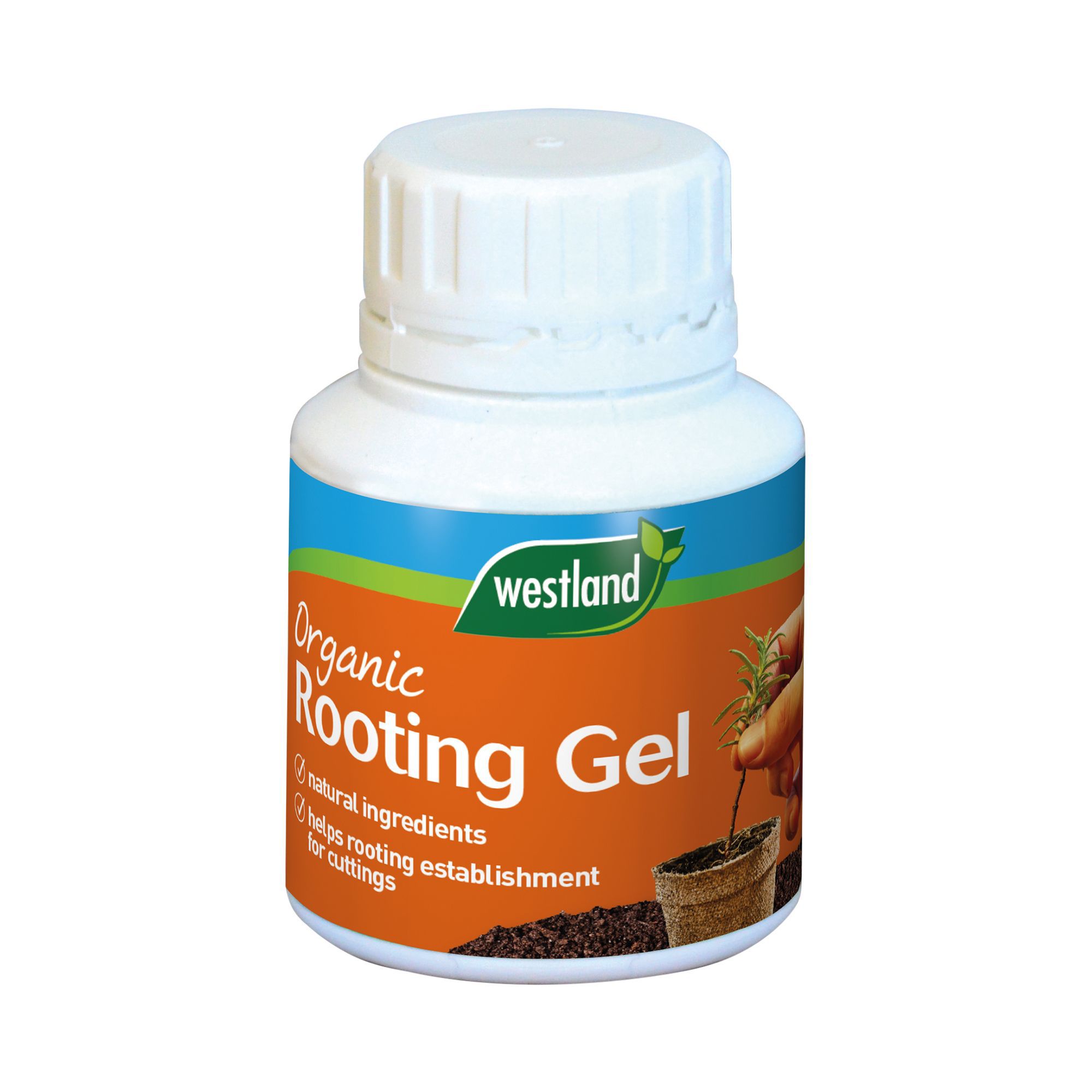
Root gels are composed of a variety of ingredients, including hormones, nutrients, and other substances that promote root development. These ingredients work together to create an environment that is conducive to root growth, helping plants to establish a strong and healthy root system.
Hormones
Hormones are essential for root development. They regulate cell division, differentiation, and elongation, and they play a key role in the formation of new roots. The most important hormones for root development are auxins and cytokinins.
- Auxins promote cell elongation and root initiation. They are produced in the shoot tips and transported to the roots, where they stimulate the formation of new root primordia.
- Cytokinins promote cell division and root growth. They are produced in the roots and transported to the shoot, where they stimulate the formation of new leaves and stems.
Nutrients, Root gel for plants
Nutrients are also essential for root development. They provide the building blocks for new cells and tissues, and they help to regulate the activity of hormones. The most important nutrients for root development are nitrogen, phosphorus, and potassium.
- Nitrogen is a component of proteins and nucleic acids. It is essential for cell division and growth.
- Phosphorus is a component of cell membranes and energy-rich compounds. It is essential for cell metabolism and energy production.
- Potassium is a component of enzymes and cell walls. It is essential for water uptake and ion transport.
Other Substances
In addition to hormones and nutrients, root gels may also contain other substances that promote root development. These substances include:
- Humic acids are organic acids that are found in soil. They help to improve soil structure and water retention, and they can also stimulate root growth.
- Fulvic acids are organic acids that are found in water. They help to chelate nutrients and make them more available to plants, and they can also stimulate root growth.
- Seaweed extracts are rich in nutrients and growth-promoting substances. They can help to improve root development and overall plant health.
Natural vs. Synthetic Root Gels
Root gels can be either natural or synthetic. Natural root gels are made from plant-based ingredients, while synthetic root gels are made from chemical ingredients. Natural root gels are generally considered to be more environmentally friendly than synthetic root gels, but they may not be as effective in promoting root development.
Practical Considerations for Using Root Gel
Harnessing the potential of root gels requires meticulous attention to proper application techniques and dosages. Understanding the intricacies of root gel use will optimize plant growth and minimize potential setbacks.
Step-by-Step Application of Root Gel
- Prepare a solution by diluting the root gel concentrate in water, following the manufacturer’s instructions.
- Create a trench around the base of the plant, about 2-3 inches deep and 6-8 inches wide.
- Pour the prepared solution into the trench, ensuring it reaches the root zone.
- Backfill the trench with soil and gently tamp down to secure the plant.
Importance of Proper Dosage and Application Techniques
Adhering to the recommended dosage is crucial to prevent over- or under-fertilization. Excessive application can harm the plant’s roots, while insufficient application may limit growth potential. Proper application techniques, such as creating a trench, ensure that the gel reaches the root zone and is not washed away by irrigation or rainfall.
Troubleshooting Common Problems
- Plant Wilting: Excessive application of root gel can cause root burn and wilting. Reduce the dosage or frequency of application.
- Nutrient Deficiency: Insufficient application of root gel may result in nutrient deficiency. Increase the dosage or frequency of application.
- Root Rot: Poor drainage or overwatering can lead to root rot. Ensure proper drainage and avoid excessive irrigation.