Immerse yourself in the fascinating world of the red tip yucca plant, an intriguing botanical marvel that captivates with its vibrant foliage and historical significance. Join us as we explore its scientific classification, optimal growing conditions, and the captivating cultural and medicinal uses that have made it a beloved plant throughout history.
Botanical Overview

The red tip yucca, scientifically known as Hesperaloe parviflora, belongs to the Asparagaceae family. This remarkable plant is native to the southwestern United States and northern Mexico, thriving in arid and semi-arid environments.
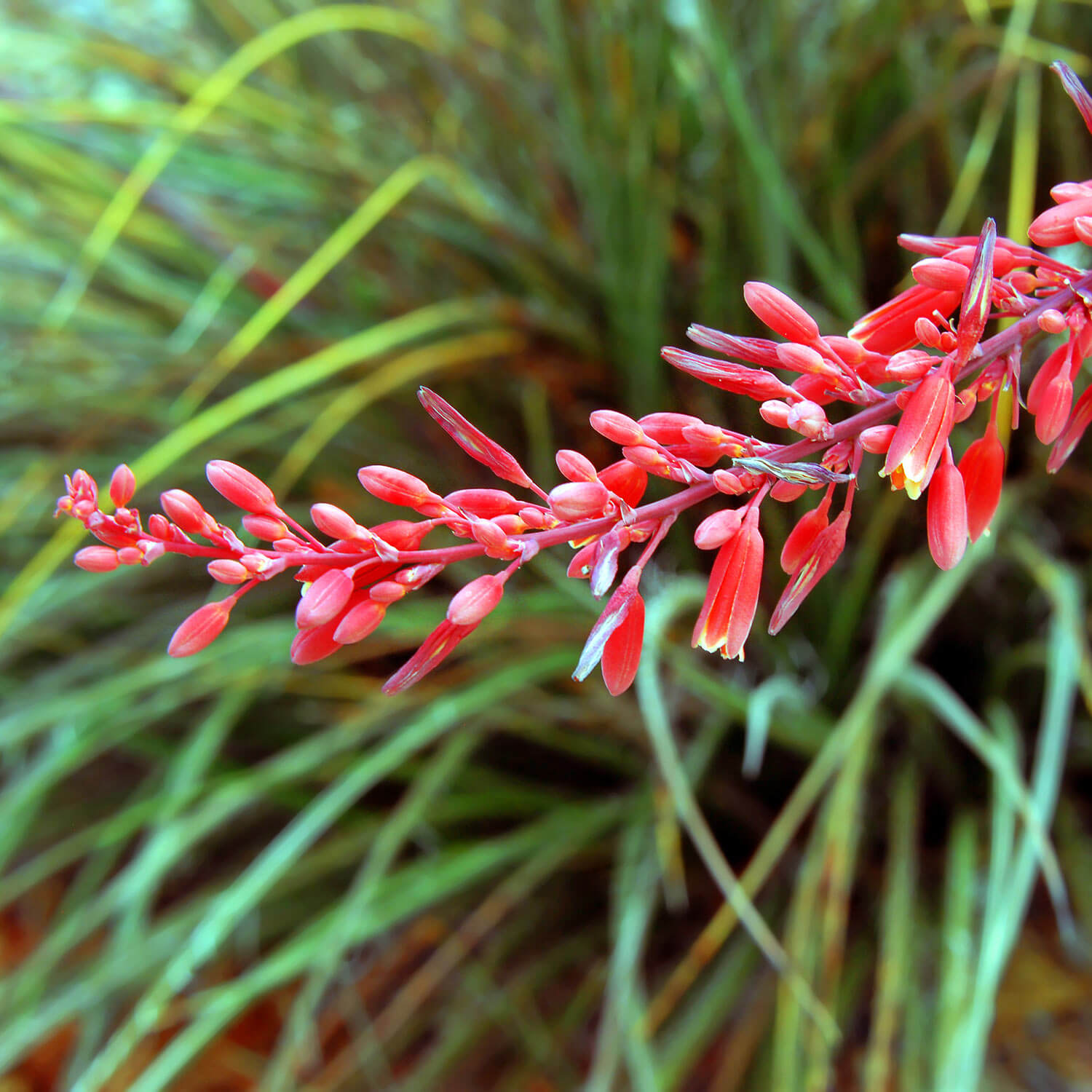
Physically, the red tip yucca is a striking perennial that typically grows between 2 to 5 feet tall. Its most distinctive feature is its rosettes of stiff, sword-shaped leaves. These leaves are a vibrant green color with serrated edges and sharp tips. During the summer months, the plant produces a tall, showy flower stalk that emerges from the center of the rosette. The stalk bears clusters of bell-shaped, reddish-orange flowers that attract hummingbirds and other pollinators.
Distribution
The red tip yucca is found in the Chihuahuan Desert of western Texas, southern New Mexico, and northern Mexico. It is also found in the Sonoran Desert of southern Arizona and northern Mexico. The plant prefers well-drained, rocky soils and can tolerate both full sun and partial shade.
Uses
The red tip yucca has both ornamental and practical uses. It is a popular choice for landscaping in xeriscapes and rock gardens due to its drought tolerance and striking appearance. Native Americans have traditionally used the plant for food, medicine, and fiber. The flowers are edible and can be eaten raw or cooked. The leaves can be used to make rope and baskets. The roots can be used to make soap and shampoo.
Growing and Care
The red tip yucca plant thrives in well-drained soil with plenty of sunlight. It is drought-tolerant and can withstand periods of neglect, making it a low-maintenance option for many gardeners.
To ensure optimal growth, provide the plant with the following conditions:
Sunlight
- Full sun is ideal, with at least six hours of direct sunlight per day.
- The plant can tolerate partial shade, but its growth and flowering may be reduced.
Soil
- Use well-drained, sandy or loamy soil.
- Avoid heavy, clay-based soils that can retain too much moisture and lead to root rot.
Watering
- Water deeply and infrequently, allowing the soil to dry out completely between waterings.
- Overwatering can lead to root rot and other problems.
Pruning
- Prune the plant in spring or fall to remove dead or damaged leaves.
- You can also shape the plant by removing unwanted branches.
Fertilization
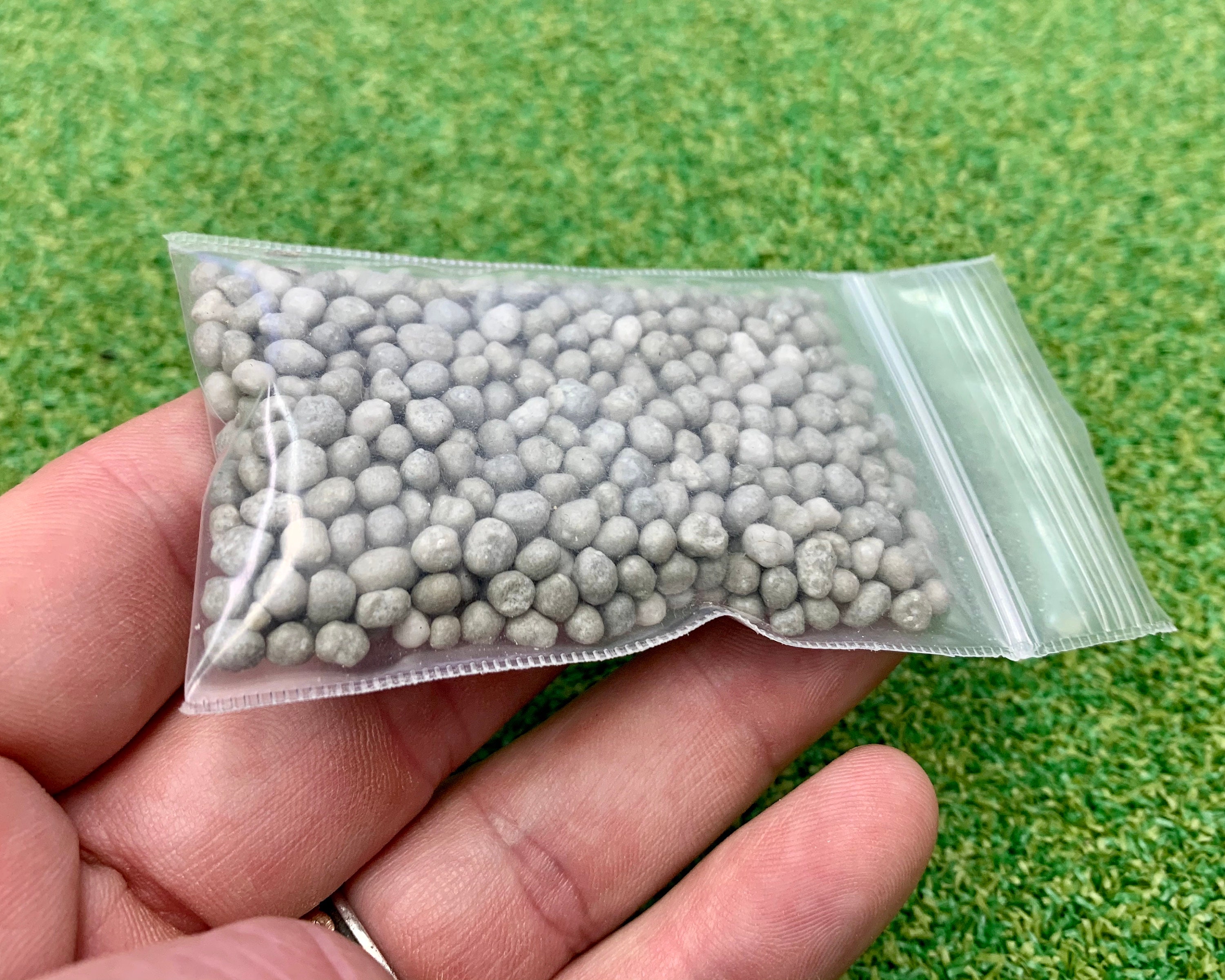
- Fertilize the plant once a month during the growing season with a balanced fertilizer.
- Avoid over-fertilizing, as this can damage the plant.
Pest Control
- The red tip yucca plant is generally pest-resistant.
- However, it can be susceptible to scale insects and mealybugs. These pests can be controlled with insecticidal soap or horticultural oil.
Cultural Significance and Uses: Red Tip Yucca Plant
The red tip yucca has held cultural and historical significance in various regions throughout history. Native American tribes, such as the Navajo and Apache, traditionally used the plant for medicinal purposes, food, and fiber.
Traditional Medicinal Uses, Red tip yucca plant
In traditional medicine, the red tip yucca has been employed to treat a range of ailments, including wounds, burns, and digestive issues. The sap of the plant contains antimicrobial and anti-inflammatory properties, making it effective in wound healing and preventing infections.
Modern Medicinal Uses
Modern research has confirmed some of the traditional medicinal uses of the red tip yucca. Studies have shown that the plant extract possesses antioxidant and anti-inflammatory effects, potentially beneficial in treating conditions like arthritis and inflammation.
Landscaping and Decoration
In modern times, the red tip yucca has gained popularity as an ornamental plant for landscaping and decoration. Its striking foliage and distinctive flower spikes add a touch of exotic beauty to gardens and landscapes. The plant is also relatively low-maintenance, making it a popular choice for homeowners and gardeners.
