
How to plant mugwort – Discover the secrets of cultivating mugwort, an ancient medicinal herb renowned for its therapeutic properties. This comprehensive guide will lead you through every step of the planting process, from selecting the ideal growing conditions to harvesting and storing your own mugwort.
Plant Care Requirements

Mugwort cultivation requires specific environmental conditions to thrive. Understanding its optimal growth parameters is crucial for successful plant development.
Soil Conditions: Mugwort prefers well-drained, loamy soil with a pH range between 6.0 and 7.5. Adding organic matter, such as compost or manure, can enhance soil fertility and drainage.
Sunlight Exposure
Mugwort requires full sun to partial shade. It can tolerate some shade, but excessive shade may reduce growth and flowering.
Watering Frequency
Mugwort is drought-tolerant and can withstand periods of dry conditions. However, regular watering is essential during the growing season, especially during hot and dry weather. Water deeply and allow the soil to dry out slightly between waterings.
Nutrient Requirements
Mugwort does not have specific nutrient requirements, but fertilizing with a balanced fertilizer can promote healthy growth. Use a fertilizer with a ratio of 10-10-10 or similar, and apply it according to the manufacturer’s instructions.
Propagation Methods: How To Plant Mugwort
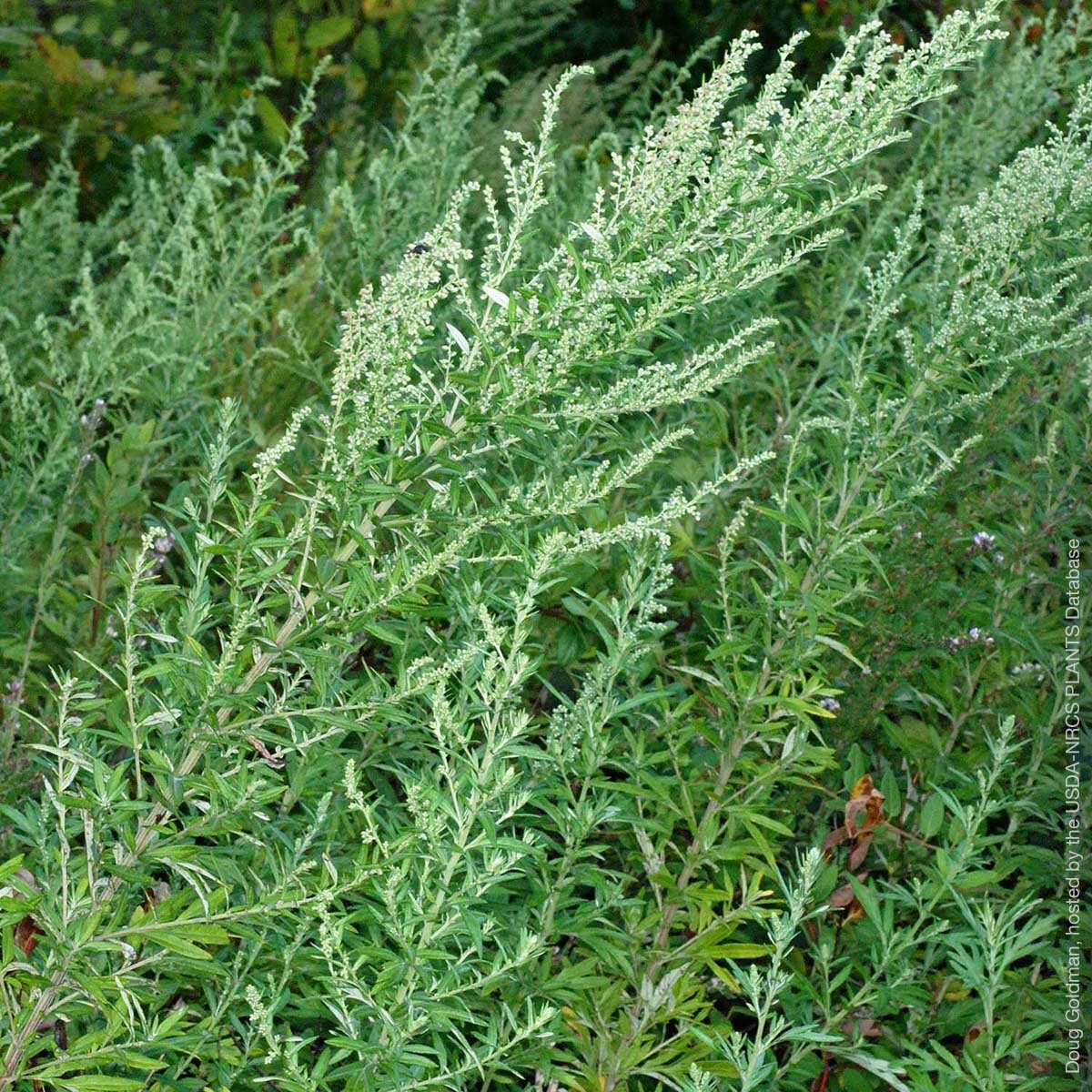
Mugwort can be propagated through various methods, each offering its own advantages and considerations. Understanding the different techniques allows gardeners to choose the most suitable approach for their specific needs.
Seed Sowing
Sowing seeds is a straightforward method for propagating mugwort. It is typically done in early spring, when the soil temperature has warmed sufficiently. Sow the seeds thinly on the surface of a well-prepared seedbed, and lightly cover them with soil. Keep the soil moist and provide adequate sunlight for germination, which usually occurs within 10-14 days.
Division
Division involves separating established mugwort plants into smaller sections to create new plants. This method is best done in spring or fall, when the plants are actively growing. Carefully dig up the mother plant, and use a sharp knife or spade to divide it into several sections, each with a healthy root system. Replant the divisions in well-drained soil, and water them deeply to promote establishment.
Cuttings, How to plant mugwort
Taking cuttings from existing mugwort plants is another effective propagation method. Select healthy stems that are 4-6 inches long, and remove the lower leaves. Dip the cut end of the stem into a rooting hormone, and plant it in a pot filled with moist, well-draining potting mix. Keep the cuttings warm and humid, and provide bright, indirect light. Roots will typically develop within 3-4 weeks, and the new plants can be transplanted outdoors once they have established a strong root system.
Harvesting and Storage
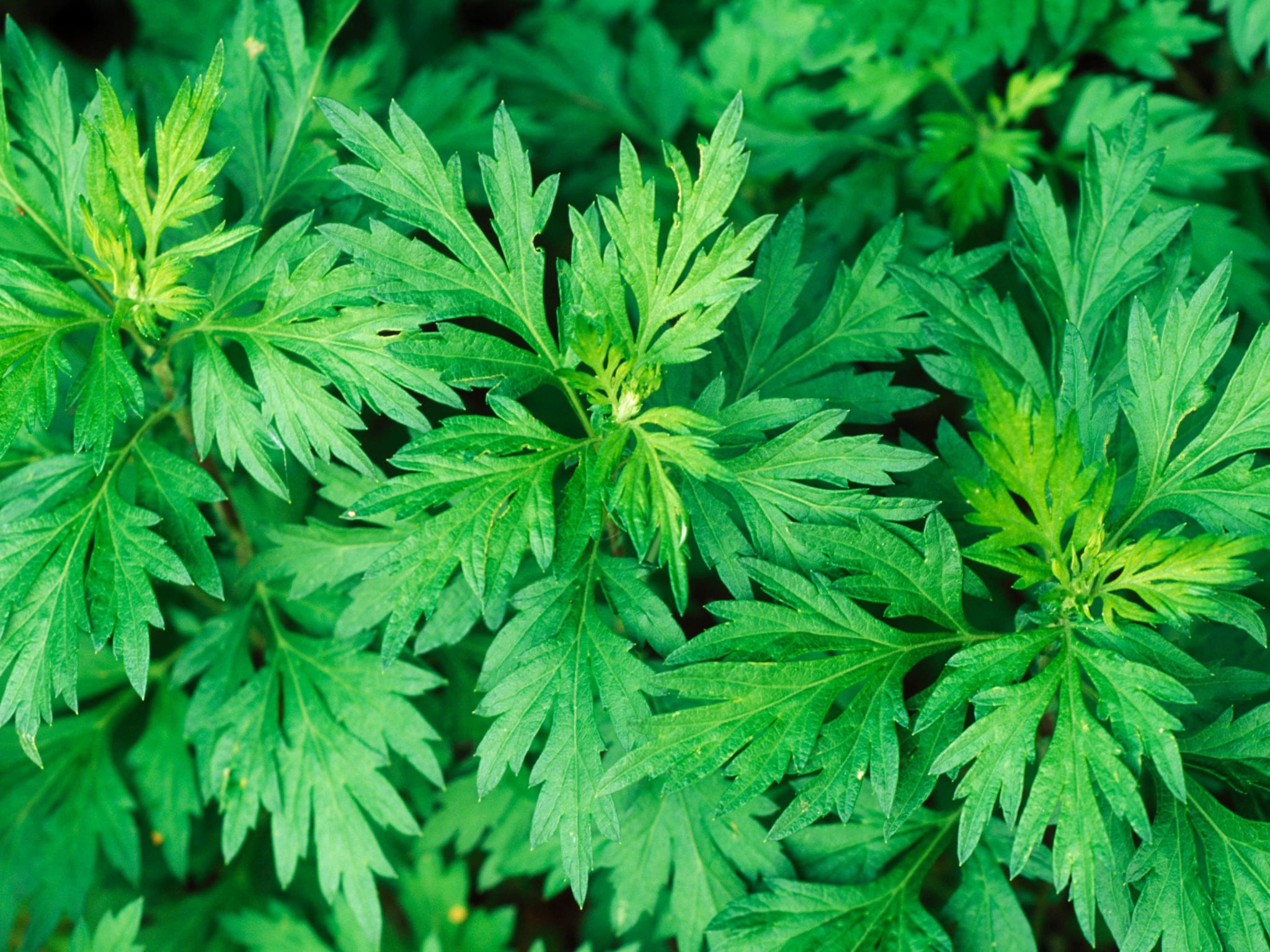
Mugwort is best harvested in the summer, when the plant is in full bloom. The leaves and flowers can be harvested by cutting them off the plant with a sharp knife or scissors. It’s important to avoid harvesting mugwort that has been treated with pesticides or herbicides.
Once harvested, mugwort should be dried in a warm, well-ventilated area out of direct sunlight. The leaves and flowers can be dried on screens or in bunches. Once dried, mugwort can be stored in airtight containers in a cool, dark place for up to a year.
Drying Methods
There are several different methods for drying mugwort, including:
- Air drying: This is the most common method of drying mugwort. Simply hang the leaves and flowers in a warm, well-ventilated area out of direct sunlight. The mugwort will be dry in a few weeks.
- Oven drying: This method is faster than air drying, but it is important to be careful not to overheat the mugwort. Spread the leaves and flowers on a baking sheet and place them in an oven set to the lowest temperature. Leave the oven door open slightly to allow the moisture to escape. The mugwort will be dry in a few hours.
- Microwave drying: This is the fastest method of drying mugwort, but it is also the most likely to damage the plant’s medicinal properties. Place the leaves and flowers on a microwave-safe plate and microwave them on high for 1-2 minutes. Check the mugwort frequently to make sure it is not burning.
Storage Methods
Once dried, mugwort can be stored in airtight containers in a cool, dark place for up to a year. It is important to keep the mugwort away from moisture and light, as these can cause the plant to lose its potency.
