Prepare to be captivated by the Dragon’s Tongue plant, a botanical wonder with a striking appearance and a rich history of medicinal uses. Its unique physical attributes, therapeutic properties, and cultivation secrets will unravel before your eyes, inviting you on an extraordinary journey into the realm of nature’s healing powers.
This extraordinary plant, known for its vibrant foliage and purported medicinal virtues, has been revered for centuries. Its distinct physical characteristics, diverse varieties, and specific growth requirements will be explored in detail, providing a comprehensive understanding of its botanical nature.
Plant Characteristics: Dragon’s Tongue Plant
The Dragon’s Tongue plant, also known as the Hemigraphis alternata, is an eye-catching species renowned for its vibrant foliage and compact growth habit. Its unique physical attributes make it a popular choice for both indoor and outdoor gardening.
Varieties
There are several varieties of the Dragon’s Tongue plant, each with its distinctive features:
- ‘Exotica’: This variety exhibits deep burgundy leaves with prominent veins, creating a striking contrast against its bright green undersides.
- ‘Red Flame’: As its name suggests, ‘Red Flame’ boasts vibrant red leaves with a metallic sheen, adding a touch of drama to any setting.
- ‘Tricolor’: This cultivar stands out with its tri-colored foliage, featuring shades of green, purple, and pink, creating a captivating display.
Growth Habits
The Dragon’s Tongue plant typically grows as a low-growing groundcover, reaching heights of around 6-12 inches (15-30 cm). Its compact size makes it ideal for use in containers, hanging baskets, or as a border plant in gardens.
Environmental Requirements
To thrive, the Dragon’s Tongue plant prefers:
- Bright, indirect light: While it can tolerate some direct sunlight, it is best protected from intense afternoon rays.
- Moist, well-drained soil: The soil should be kept consistently moist but not waterlogged.
- Warm temperatures: The plant prefers temperatures between 60-75°F (16-24°C).
Medicinal Properties
The Dragon’s Tongue plant has a rich history of medicinal use in various cultures. It contains an array of bioactive compounds, including anthocyanins, flavonoids, and saponins, which contribute to its therapeutic effects.
Traditional healers have employed Dragon’s Tongue to treat a wide range of ailments, including wounds, burns, and inflammatory conditions. Modern research has corroborated these traditional uses and revealed additional therapeutic applications.
Active Compounds and Therapeutic Effects
The active compounds in Dragon’s Tongue have demonstrated antimicrobial, anti-inflammatory, and antioxidant properties. Anthocyanins, the pigments responsible for the plant’s distinctive color, possess antioxidant and anti-inflammatory effects.
Flavonoids, another group of antioxidants, have been shown to protect cells from damage and reduce inflammation. Saponins exhibit antibacterial and antiviral activities, contributing to the plant’s ability to combat infections.
Traditional and Modern Applications
Traditionally, Dragon’s Tongue has been used as a topical ointment to treat wounds, burns, and skin infections. Its anti-inflammatory properties have made it a popular remedy for conditions like arthritis and rheumatism.
In modern medicine, extracts of Dragon’s Tongue have been investigated for their potential in treating cancer, cardiovascular diseases, and diabetes. Research is ongoing to further explore the therapeutic applications of this remarkable plant.
Cultivation and Care
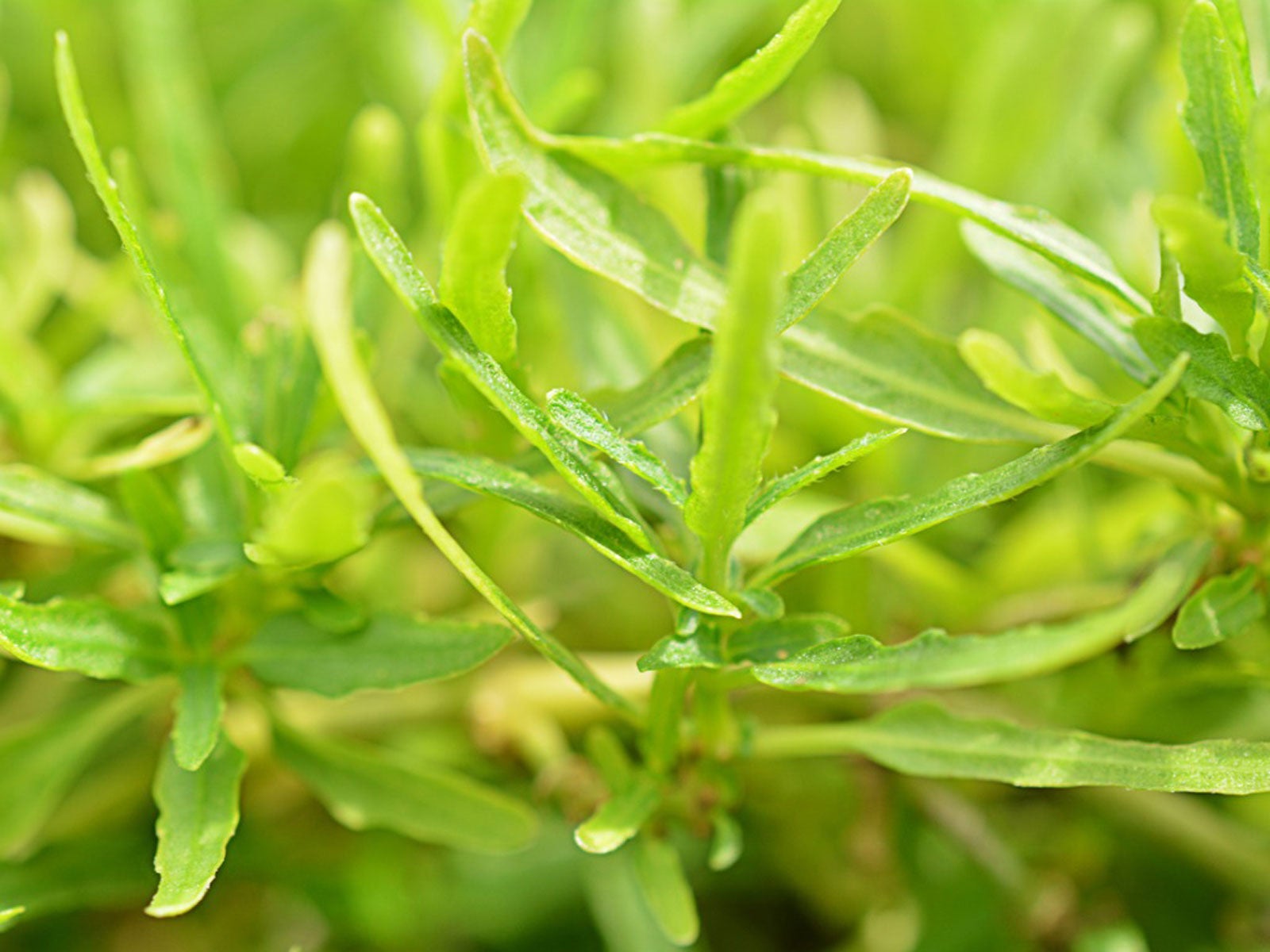
Cultivating and caring for Dragon’s Tongue plants is relatively straightforward, making them suitable for both experienced and novice gardeners. Understanding their specific requirements for soil, light, and water is crucial for optimal growth and health.
Soil Conditions
Dragon’s Tongue plants thrive in well-drained soil that is rich in organic matter. A mixture of potting soil, perlite, and compost provides excellent drainage and aeration. The soil pH should be slightly acidic, between 5.5 and 6.5.
Light Requirements, Dragon’s tongue plant
These plants prefer bright, indirect light. Direct sunlight can scorch their leaves, while insufficient light can lead to leggy growth. East- or west-facing windows are ideal for providing the necessary light conditions.
Watering Schedule
Water Dragon’s Tongue plants when the top inch of soil feels dry to the touch. Avoid overwatering, as this can lead to root rot. During the growing season (spring and summer), water more frequently, and reduce watering in the fall and winter months.
Propagation
Dragon’s Tongue plants can be propagated through stem cuttings or division. Stem cuttings should be taken in the spring or summer and rooted in a well-draining potting mix. Division can be done by carefully separating the plant’s clumps in the spring.
Common Pests and Diseases
Dragon’s Tongue plants are generally resistant to pests and diseases. However, they can be susceptible to mealybugs, aphids, and spider mites. Regularly inspect your plants for pests and treat them accordingly with insecticidal soap or neem oil.