Soil for zz plant – When it comes to ZZ plants, the soil you choose plays a crucial role in their health and vitality. This comprehensive guide will delve into the ideal soil composition, nutrient requirements, pH levels, moisture levels, and soil additives that are essential for ZZ plants to thrive.
ZZ plants, known for their hardiness and low-maintenance nature, require specific soil conditions to reach their full potential. Understanding the intricacies of soil for ZZ plants will empower you to create an optimal environment for these resilient plants to flourish.
Soil Composition and Nutrient Requirements: Soil For Zz Plant

ZZ plants, also known as Zamioculcas zamiifolia, are known for their hardiness and tolerance to a wide range of growing conditions. However, providing them with the right soil composition and nutrients is crucial for optimal growth and health.
The ideal soil for ZZ plants should be well-draining, aerated, and contain a balanced mix of organic matter and inorganic minerals. A good starting point is a mixture of 50% potting mix, 25% perlite, and 25% peat moss. The potting mix provides essential nutrients, while the perlite and peat moss improve drainage and aeration.
pH Level
ZZ plants prefer slightly acidic to neutral soil with a pH range of 6.0 to 7.0. Soil pH is a measure of its acidity or alkalinity, and it can significantly affect nutrient availability. If the soil pH is too acidic or too alkaline, the plant may not be able to absorb the nutrients it needs, even if they are present in the soil.
Nutrient Requirements
ZZ plants have moderate nutrient requirements, but they do benefit from regular fertilization. A balanced liquid fertilizer, diluted to half strength, can be applied every 2-3 months during the growing season (spring and summer).
- Nitrogen (N): Nitrogen is essential for plant growth and development. It promotes the growth of leaves and stems.
- Phosphorus (P): Phosphorus is important for root development and flowering. It also helps the plant absorb other nutrients.
- Potassium (K): Potassium helps the plant regulate water balance and resist diseases.
Drainage and Aeration
Good drainage and aeration are essential for ZZ plant roots. Poor drainage can lead to waterlogging, which can suffocate the roots and cause root rot. Aeration allows oxygen to reach the roots, which is essential for root growth and nutrient uptake.
To improve drainage and aeration, you can add perlite or pumice to the potting mix. You can also use a pot with drainage holes to allow excess water to drain away.
Soil pH and Moisture Levels
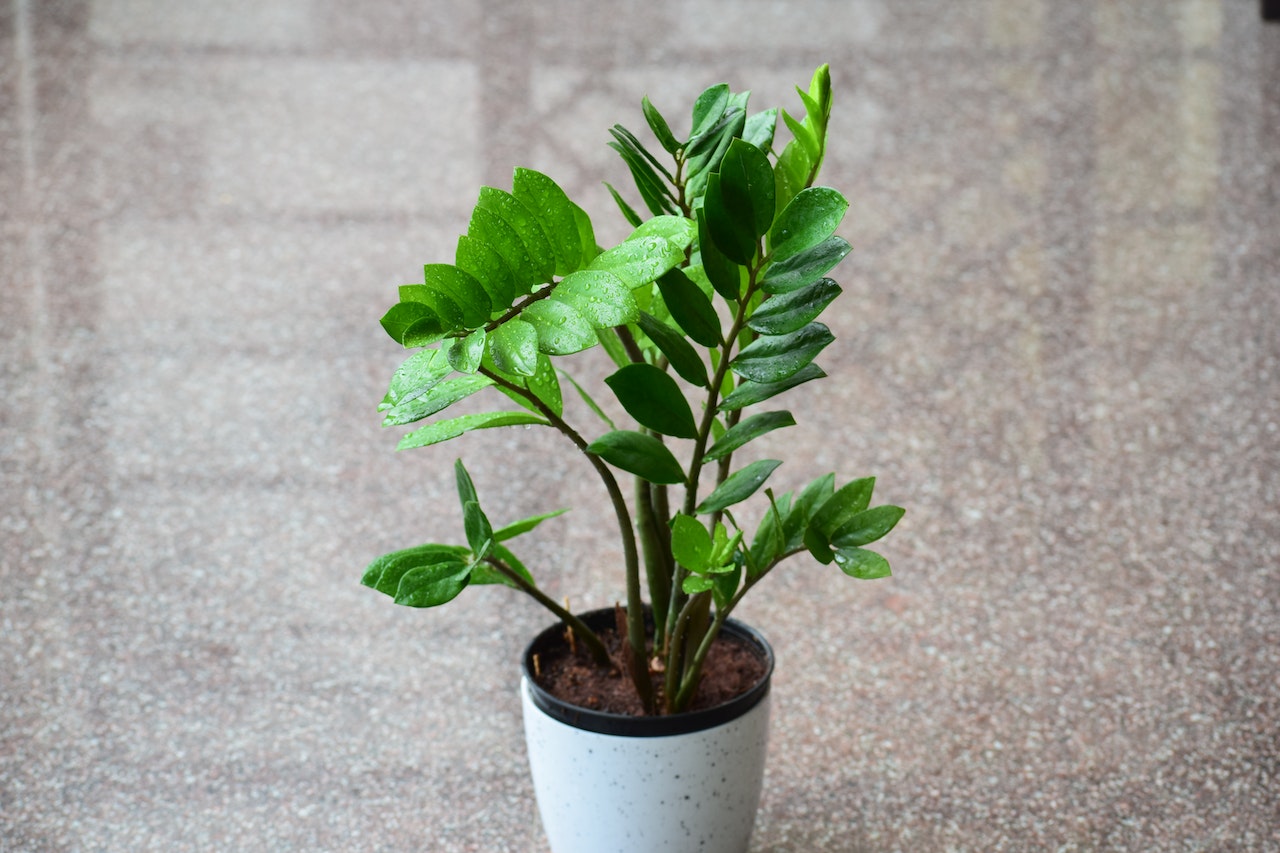
ZZ plants thrive in soil with a pH between 5.5 and 6.5. Abweichungen from this range can lead to nutrient deficiencies and other problems. Soil that is too acidic can cause iron and manganese toxicity, while soil that is too alkaline can lead to calcium and magnesium deficiencies.
To measure soil pH, you can use a soil pH meter. These meters are available at most garden centers. If the soil pH is not in the optimal range, you can adjust it by adding sulfur to lower the pH or lime to raise the pH.
ZZ plants are drought-tolerant, but they do need to be watered regularly. The best way to water a ZZ plant is to allow the soil to dry out completely between waterings. Then, water the plant thoroughly until water runs out of the drainage holes. Avoid overwatering, as this can lead to root rot.
Soil Additives and Amendments

Enhancing the soil’s composition can significantly benefit ZZ plants by improving nutrient availability, drainage, and aeration. Incorporating organic matter and inorganic amendments into the soil is a crucial aspect of ZZ plant care.
Organic Matter
Organic matter, such as compost or peat moss, provides a rich source of nutrients and helps retain moisture in the soil. Compost, made from decomposed plant materials, releases nutrients gradually over time, promoting healthy plant growth. Peat moss, although not as nutrient-rich as compost, improves water retention and soil aeration.
Inorganic Amendments, Soil for zz plant
Inorganic amendments, like perlite or vermiculite, are lightweight materials that enhance soil structure and drainage. Perlite is a volcanic glass that improves aeration and prevents soil compaction. Vermiculite is a mineral that holds moisture and nutrients, providing a favorable environment for ZZ plant roots.
Specific Examples
When preparing soil for ZZ plants, consider the following additives and amendments:
- Compost: Add approximately 1/3 to 1/2 part compost to the soil mixture to enhance nutrient content and water retention.
- Peat moss: Incorporate up to 1/3 part peat moss to improve water retention and aeration, especially in sandy soils.
- Perlite: Add 1/4 to 1/3 part perlite to increase drainage and prevent soil compaction.
- Vermiculite: Mix in 1/4 to 1/3 part vermiculite to enhance moisture retention and provide additional nutrients.
