Step into the captivating world of plants of the bog, where resilience and adaptation dance harmoniously. These extraordinary inhabitants thrive in a realm of acidic waters and nutrient-poor soils, showcasing remarkable traits that have evolved over millennia. Join us on an enthralling journey as we unravel the secrets of these wetland wonders.
From the iconic carnivorous sundew to the delicate bog rosemary, each plant in this unique ecosystem plays a vital role in maintaining the ecological balance. Their specialized adaptations, such as waxy leaves and symbiotic relationships, provide a glimpse into the intricate workings of nature.
Bog Plant Identification

Bogs, with their unique waterlogged and acidic conditions, harbor a specialized community of plants that have adapted to thrive in these challenging environments. These plants exhibit remarkable adaptations, enabling them to withstand the harsh conditions and utilize the limited resources available.
To provide a comprehensive overview of bog plant identification, we have compiled a table showcasing commonly encountered species, their scientific names, and their distinctive characteristics:
| Scientific Name | Common Name | Key Features |
|---|---|---|
| Sphagnum spp. | Sphagnum Moss | – Forms dense, water-absorbing mats – High surface area for water and nutrient retention |
| Eriophorum vaginatum | Cotton Grass | – Narrow, grass-like leaves – Produces fluffy white seed heads |
| Vaccinium oxycoccos | Small Cranberry | – Creeping, low-growing shrub – Produces tart, red berries |
| Sarracenia purpurea | Pitcher Plant | – Modified leaves form hollow pitchers – Traps and digests insects |
| Drosera rotundifolia | Sundew | – Carnivorous plant with sticky leaves – Traps and digests insects |
These bog plants showcase the remarkable diversity and adaptations found within this unique ecosystem. Their ability to thrive in the harsh conditions of bogs highlights the resilience and adaptability of plant life.
Bog Ecosystem Dynamics: Plants Of The Bog
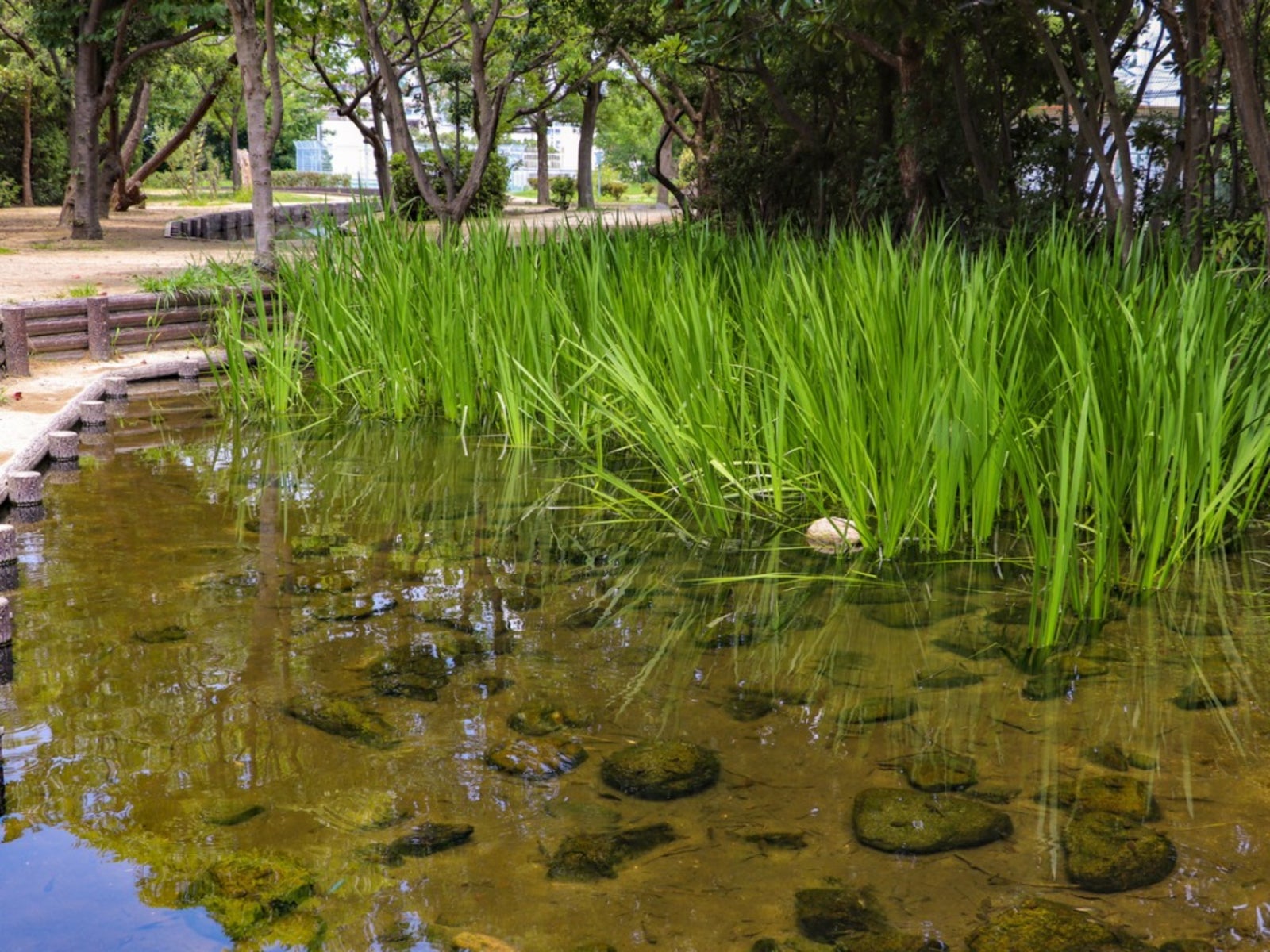
Bogs are fascinating ecosystems characterized by acidic, waterlogged conditions that support a unique assemblage of plant and animal species. Bog plants play a crucial role in maintaining the ecological balance of these habitats, forming intricate relationships with other organisms and shaping the overall functioning of the bog ecosystem.
The dense growth of bog plants, such as sphagnum mosses and ericaceous shrubs, creates a mosaic of microhabitats that provide shelter and resources for a diverse array of insects, birds, and amphibians. These organisms, in turn, contribute to the nutrient cycling and decomposition processes that sustain the bog ecosystem.
Interactions with Insects
Bog plants provide nectar, pollen, and shelter for a wide range of insects, including pollinators like bees and butterflies. These insects facilitate cross-pollination, ensuring the reproductive success of bog plants. In addition, insect larvae feed on decaying plant material, contributing to nutrient cycling and decomposition.
Interactions with Birds
The dense vegetation and abundant insect life in bogs attract a variety of birds, including warblers, sparrows, and woodpeckers. Birds feed on insects, berries, and seeds, dispersing seeds and contributing to plant regeneration. Some birds, like the black-throated green warbler, even build their nests in the dense understory of bog plants.
Interactions with Amphibians, Plants of the bog
Bogs provide essential breeding grounds for amphibians, such as frogs and salamanders. The shallow, acidic waters of bog pools are ideal for egg-laying and larval development. Amphibians feed on insects and other invertebrates, contributing to nutrient cycling and population control.
The interconnectedness of bog plant communities and other organisms is a complex web of interactions that maintain the ecological balance of these unique habitats. Bog plants provide resources and shelter, facilitate nutrient cycling, and support a diverse assemblage of species, ensuring the long-term sustainability of the bog ecosystem.
Bog Conservation and Restoration

Bogs, with their unique and fragile ecosystems, face numerous threats, including habitat loss, pollution, climate change, and invasive species. Preserving these valuable ecosystems is crucial for maintaining biodiversity, regulating water flow, and mitigating climate change.
Threats to Bog Ecosystems
– Habitat Loss: Bogs are often drained or converted for agriculture, development, or peat extraction, leading to habitat fragmentation and loss of species.
– Pollution: Acid rain, industrial runoff, and agricultural chemicals can contaminate bog waters and soils, harming plant and animal life.
– Climate Change: Rising temperatures and altered precipitation patterns can alter bog hydrology and favor invasive species that outcompete native bog plants.
– Invasive Species: Invasive plants, such as reed canary grass, can establish dense stands that crowd out native bog species and disrupt ecosystem dynamics.
Importance of Bog Preservation
Bogs provide essential ecosystem services, including:
– Biodiversity: Bogs support a wide range of plant and animal species, many of which are adapted to the unique bog environment.
– Water Regulation: Bogs act as natural sponges, absorbing and releasing water, helping to regulate water flow and reduce flooding.
– Carbon Sequestration: Bogs store vast amounts of carbon in their peat, contributing to climate change mitigation.
Case Studies of Bog Restoration
Successful bog restoration projects have demonstrated the feasibility of restoring degraded bog ecosystems. Examples include:
– Fenno-Scandinavian Peatland Restoration Project: This large-scale project restored over 20,000 hectares of degraded peatlands in Sweden and Finland, resulting in improved water quality and biodiversity.
– Bog of Allen Restoration Project: In Ireland, this project restored over 5,000 hectares of drained bogland, creating new habitat for rare and endangered species.