Jose bueno plant care – Embark on a botanical journey with the captivating Jose Bueno plant. This guide delves into its characteristics, care requirements, propagation methods, and troubleshooting techniques, providing a comprehensive roadmap for nurturing this exceptional species.
From its captivating foliage to its unique growth habits, the Jose Bueno plant offers a myriad of wonders. Understanding its specific needs ensures its optimal growth and vitality, transforming your space into a vibrant botanical haven.
Jose Bueno Plant Characteristics and Care Requirements: Jose Bueno Plant Care
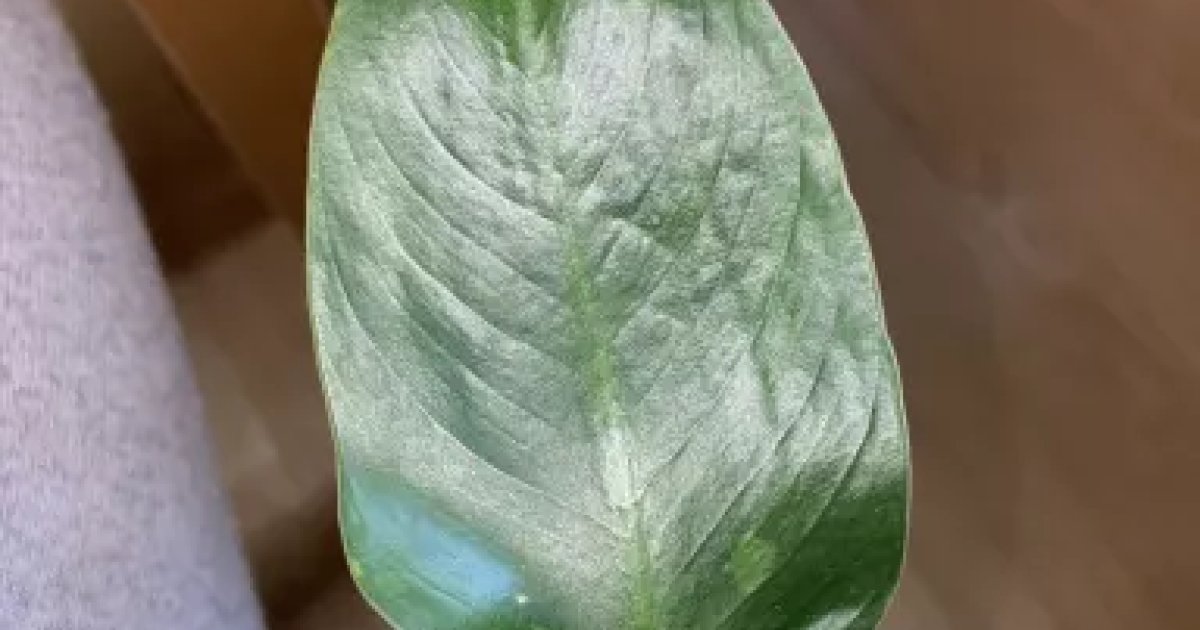
The Jose Bueno plant, botanically known as *Anthurium andraeanum* ‘Jose Bueno’, is a captivating member of the Araceae family. Originating from Colombia, this plant showcases a unique and stunning appearance that has made it a popular choice among indoor plant enthusiasts. Its velvety, heart-shaped leaves boast a deep, velvety burgundy hue that contrasts beautifully with its vibrant, upright spadix.
To ensure optimal growth and well-being for your Jose Bueno plant, it’s crucial to provide it with the appropriate environmental conditions. This plant thrives under bright, indirect light, making it an ideal choice for placement in rooms with east- or west-facing windows. It prefers temperatures ranging from 65 to 85°F (18 to 29°C) and prefers moderate to high humidity levels.
The Jose Bueno plant prefers a well-draining potting mix that is rich in organic matter. The ideal pH level for the soil is between 5.5 and 6.5. To promote healthy root growth and prevent waterlogging, ensure that the pot has adequate drainage holes. Regular fertilization during the growing season with a balanced liquid fertilizer is recommended to provide the plant with essential nutrients.
Watering
Jose Bueno plants have moderate water requirements. Allow the top inch of soil to dry out before watering thoroughly. Avoid overwatering, as this can lead to root rot. During the winter months, reduce watering frequency as the plant enters a period of dormancy.
Humidity
Jose Bueno plants prefer moderate to high humidity levels. If the air in your home is dry, consider using a humidifier or placing the plant on a pebble tray filled with water.
Fertilization
Fertilize your Jose Bueno plant every two weeks during the growing season with a balanced liquid fertilizer. Reduce fertilization during the winter months.
Repotting
Repot your Jose Bueno plant every two to three years or when it becomes rootbound. Use a pot that is only slightly larger than the previous one and ensure that it has adequate drainage holes.
Pests and Diseases
Jose Bueno plants are generally resistant to pests and diseases. However, they can be susceptible to mealybugs, aphids, and spider mites. Treat infestations promptly with an appropriate insecticide.
Jose Bueno Propagation and Growth Habits
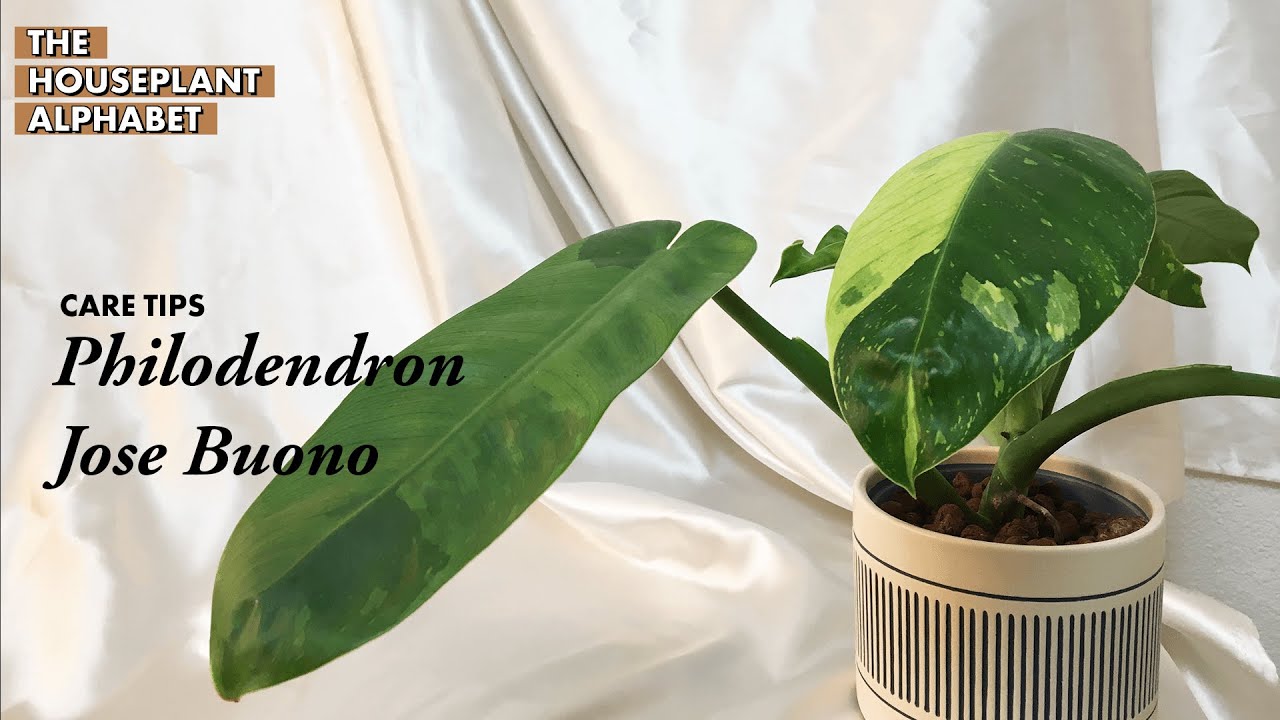
Propagating and growing Jose Bueno plants can be an enjoyable and rewarding experience for gardeners. These plants are relatively easy to propagate and care for, making them a great choice for beginners and experienced gardeners alike. In this section, we will discuss the various methods of propagating Jose Bueno plants, including cuttings, division, and seeds. We will also provide detailed instructions on how to successfully propagate and transplant Jose Bueno plants. Finally, we will explain the growth habits of Jose Bueno plants, including their typical size, shape, and growth rate.
Propagation Methods
There are several different methods that can be used to propagate Jose Bueno plants. The most common methods include cuttings, division, and seeds. Each method has its own advantages and disadvantages, so it is important to choose the method that is best suited for your needs.
- Cuttings: Cuttings are a quick and easy way to propagate Jose Bueno plants. To take a cutting, simply cut a 4-6 inch stem from a healthy plant. Remove the leaves from the bottom of the cutting and then plant it in a pot filled with well-draining potting mix. Keep the cutting moist and in a warm, sunny location. Roots will typically develop within 4-6 weeks.
- Division: Division is another easy way to propagate Jose Bueno plants. To divide a plant, simply dig it up and carefully divide it into two or more smaller plants. Each division should have its own roots and at least one stem. Plant the divisions in individual pots filled with well-draining potting mix. Keep the divisions moist and in a warm, sunny location. They will typically begin to grow new leaves within a few weeks.
- Seeds: Jose Bueno plants can also be propagated from seeds. However, this method is not as reliable as cuttings or division. To sow seeds, simply scatter them on the surface of a pot filled with well-draining potting mix. Keep the seeds moist and in a warm, sunny location. Germination will typically occur within 2-3 weeks.
Transplanting
Once your Jose Bueno plants have developed a good root system, they can be transplanted into the garden. When transplanting, be sure to choose a location that receives plenty of sunlight and has well-draining soil. Dig a hole that is twice the width of the root ball and just as deep. Place the plant in the hole and backfill with soil, tamping down gently to remove any air pockets. Water the plant deeply and then mulch around the base to help retain moisture.
Growth Habits, Jose bueno plant care
Jose Bueno plants are typically small, compact shrubs that grow to a height of 2-3 feet. They have a rounded shape with dense foliage. The leaves are dark green and glossy, and the flowers are small and white. Jose Bueno plants are relatively slow-growing, but they can be pruned to keep them in shape.
Troubleshooting Common Jose Bueno Plant Issues
Like all plants, Jose Bueno plants can occasionally experience problems. However, by understanding the common issues that can affect them, you can take steps to prevent or address them promptly.
Pests
Several pests can infest Jose Bueno plants, including:
- Aphids: These small, sap-sucking insects can cause stunted growth, yellowing leaves, and honeydew production.
- Mealybugs: These white, cottony insects can weaken plants and cause leaf drop.
- Spider mites: These tiny arachnids can cause stippling and yellowing of leaves.
Organic Remedies:
- Neem oil spray: Mix 1 tablespoon of neem oil with 1 quart of water and spray on affected areas.
- Insecticidal soap: Mix 1 tablespoon of insecticidal soap with 1 quart of water and spray on affected areas.
- Ladybugs: Introduce ladybugs to your plant as they feed on aphids.
Chemical Treatments:
- Malathion: Follow label instructions for application.
- Permethrin: Follow label instructions for application.
Diseases
Jose Bueno plants can also be susceptible to certain diseases, including:
- Powdery mildew: This fungal disease causes a white powdery substance to form on leaves.
- Botrytis blight: This fungal disease causes brown spots on leaves and stems.
- Root rot: This disease is caused by overwatering and can lead to wilting and yellowing of leaves.
Organic Remedies:
- Baking soda spray: Mix 1 tablespoon of baking soda with 1 quart of water and spray on affected areas.
- Hydrogen peroxide solution: Mix 1 part hydrogen peroxide with 9 parts water and spray on affected areas.
Chemical Treatments:
- Fungicide: Follow label instructions for application.
- Copper-based fungicide: Follow label instructions for application.
Nutrient Deficiencies
Nutrient deficiencies can also cause problems for Jose Bueno plants, including:
- Nitrogen deficiency: This deficiency can cause stunted growth and yellowing leaves.
- Phosphorus deficiency: This deficiency can cause stunted growth and poor flowering.
- Potassium deficiency: This deficiency can cause brown spots on leaves and stunted growth.
Organic Remedies:
- Compost tea: Brew compost tea by soaking compost in water and apply it to the soil.
- Manure: Add well-rotted manure to the soil to provide nutrients.
Chemical Treatments:
- Fertilizer: Follow label instructions for application.
- Nutrient-specific fertilizer: Use a fertilizer that is specific to the nutrient deficiency.
Preventive Measures
To prevent problems with Jose Bueno plants, it is important to:
- Provide proper watering: Water the plant when the soil is dry to the touch.
- Ensure adequate drainage: Make sure the plant is planted in well-draining soil.
- Fertilize regularly: Fertilize the plant monthly during the growing season.
- Inspect the plant regularly: Check the plant for pests, diseases, and nutrient deficiencies regularly.
By following these tips, you can help keep your Jose Bueno plant healthy and thriving.