
Kelp spray for plants has emerged as a revolutionary natural solution, unlocking the power of the ocean to enhance plant growth and health. With its rich blend of essential nutrients, kelp spray offers a sustainable and effective alternative to traditional fertilizers, promoting greener, more vibrant landscapes.
This comprehensive guide delves into the remarkable benefits, application techniques, and comparative advantages of kelp spray, empowering gardeners and plant enthusiasts with the knowledge to harness its transformative potential.
Benefits of Kelp Spray for Plants

Kelp spray, derived from seaweed, offers a rich source of nutrients that can significantly enhance plant growth and health. Its composition includes essential macronutrients, micronutrients, and growth-promoting substances, making it a valuable addition to any gardening regimen.
Nutritional Benefits
- Macronutrients: Kelp spray provides essential macronutrients such as nitrogen, phosphorus, and potassium, which are crucial for overall plant growth and development.
- Micronutrients: It is also a rich source of micronutrients like iron, zinc, copper, and manganese, which play vital roles in various physiological processes, including photosynthesis, enzyme function, and stress tolerance.
- Growth Promoters: Kelp spray contains natural growth-promoting substances like cytokinins and auxins, which stimulate cell division, root development, and overall plant vigor.
Improved Plant Growth and Health
- Enhanced Nutrient Uptake: The presence of micronutrients in kelp spray improves nutrient uptake efficiency, ensuring plants receive the necessary elements for optimal growth.
- Increased Photosynthesis: The micronutrients in kelp spray, particularly iron, are essential for chlorophyll synthesis, which enhances photosynthesis and increases plant energy production.
- Improved Stress Tolerance: Kelp spray contains antioxidants and other compounds that help plants cope with environmental stresses such as drought, heat, and salinity.
- Reduced Disease Susceptibility: The nutrients and growth-promoting substances in kelp spray strengthen plant cell walls and immune systems, reducing their susceptibility to diseases.
Application and Usage of Kelp Spray
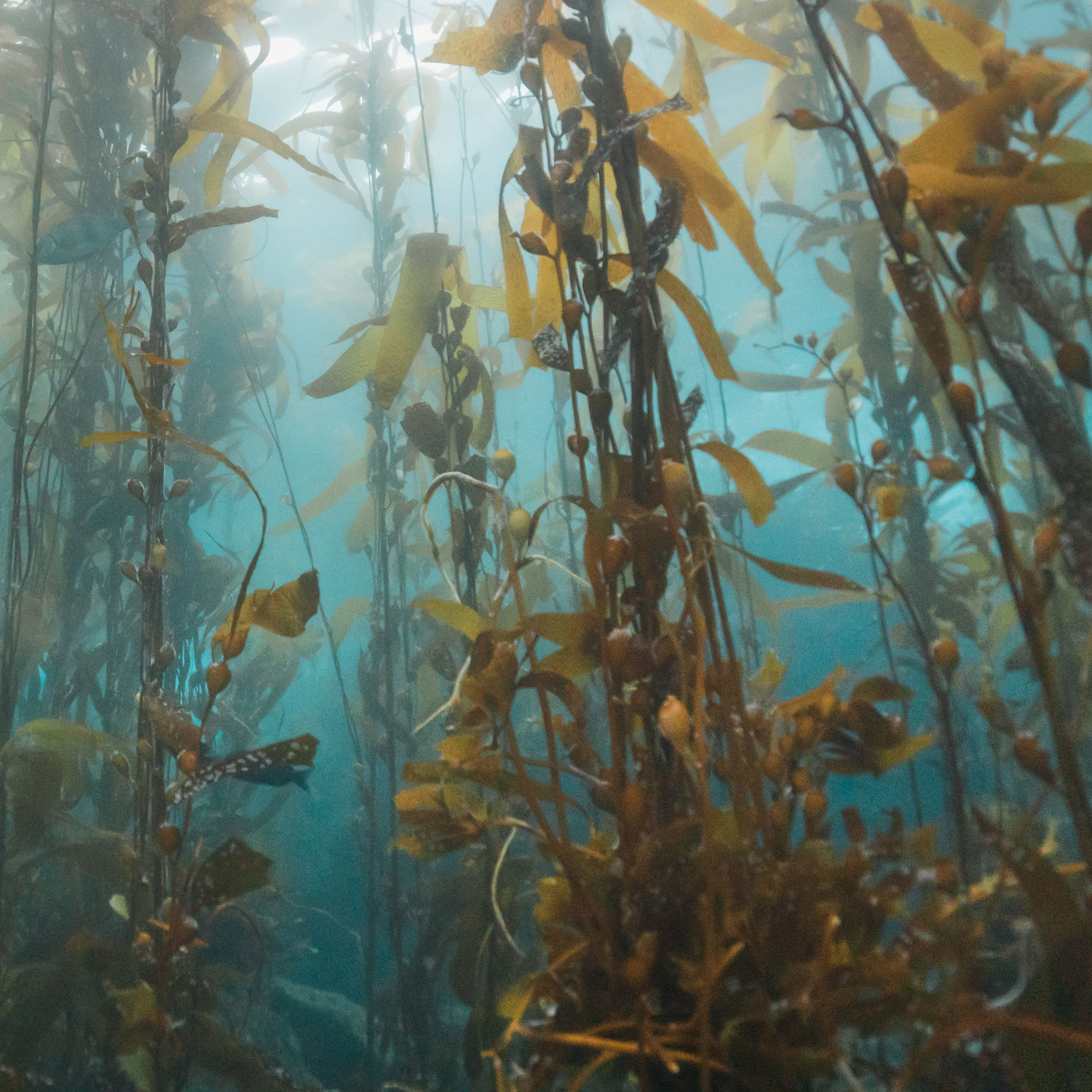
Kelp spray is a versatile plant tonic that can be applied to plants in various ways. The most common methods include foliar spraying, soil drenching, and seed soaking. Each method offers unique benefits and should be chosen based on the specific needs of the plants and the desired results.
Foliar Spraying
Foliar spraying involves applying kelp spray directly to the leaves of plants. This method is effective for delivering nutrients quickly to the plant’s tissues, bypassing the root system. It is particularly beneficial for plants that are experiencing nutrient deficiencies or stress conditions. Foliar spraying should be done during the morning or evening when the sun is less intense to avoid leaf burn.
Soil Drenching
Soil drenching involves applying kelp spray to the soil around the base of plants. This method allows the nutrients in the spray to be absorbed by the roots over time. Soil drenching is beneficial for improving soil health, enhancing root development, and providing long-term nourishment to plants. It is recommended to water the soil thoroughly before applying kelp spray to prevent root damage.
Seed Soaking
Seed soaking is a technique where seeds are immersed in kelp spray for a period of time before planting. This method helps to stimulate seed germination, improve seedling vigor, and enhance the overall health of the plants. Seed soaking should be done for 12-24 hours, depending on the type of seeds being used. After soaking, the seeds should be rinsed thoroughly before planting.
Preparation and Dilution
To prepare kelp spray, mix 1 part concentrated kelp extract with 10-20 parts water. The exact dilution ratio may vary depending on the specific product being used, so it is important to follow the manufacturer’s instructions. The diluted kelp spray should be applied to plants until they are thoroughly wet but not dripping.
Frequency and Timing
The frequency and timing of kelp spray applications will depend on the specific needs of the plants and the desired results. Generally, foliar spraying can be done every 1-2 weeks, while soil drenching can be done every 2-4 weeks. Seed soaking should be done once before planting. It is important to avoid over-applying kelp spray, as this can lead to nutrient burn and other problems.
Comparative Analysis of Kelp Spray vs. Other Fertilizers: Kelp Spray For Plants
Kelp spray, derived from seaweed, has gained popularity as an organic fertilizer. Let’s compare its effectiveness against other fertilizers.
Compared to synthetic fertilizers, kelp spray offers a more balanced nutrient profile. While synthetics provide specific nutrients, kelp spray contains a wide range of minerals, vitamins, and growth hormones, promoting overall plant health.
Advantages of Kelp Spray
- Provides a comprehensive nutrient profile.
- Enhances plant growth and vigor.
- Improves soil health by stimulating microbial activity.
- Resistant to leaching, ensuring prolonged nutrient availability.
- Environmentally friendly and sustainable.
Disadvantages of Kelp Spray
- Can be more expensive than synthetic fertilizers.
- May require more frequent applications due to slower nutrient release.
- Not as effective in treating specific nutrient deficiencies.
Comparative Table, Kelp spray for plants
| Feature | Kelp Spray | Synthetic Fertilizers | Organic Fertilizers (e.g., Compost) |
|---|---|---|---|
| Nutrient Profile | Comprehensive | Specific | Balanced |
| Nutrient Release | Slower | Rapid | Gradual |
| Leaching Resistance | High | Low | Moderate |
| Environmental Impact | Low | High | Low |
