Embark on a horticultural adventure with our comprehensive guide to 25 gallon planter pots, exploring their suitability for various plants, design aesthetics, and practical considerations. From plant compatibility to drainage techniques, we delve into the intricacies of these versatile containers to empower you with the knowledge for thriving outdoor spaces.
Discover the secrets to selecting the perfect plants for your 25-gallon planter pot, considering sunlight requirements, water needs, and root growth patterns. Create stunning arrangements that complement each other in size, color, and texture, transforming your outdoor oasis into a vibrant masterpiece.
Plant Compatibility and Recommendations

Selecting suitable plants for a 25-gallon planter pot requires careful consideration of various factors such as sunlight requirements, water needs, and root growth patterns. Additionally, companion planting techniques can enhance the overall growth and aesthetic appeal of the arrangement.
When choosing plants for a 25-gallon planter pot, it’s important to ensure compatibility based on their individual needs. Some plants thrive in full sun, while others prefer partial shade or even full shade. Water requirements also vary, with some plants needing frequent watering while others are more drought-tolerant.
Suitable Plant Combinations
Here are some compatible plant combinations that complement each other in terms of size, color, and texture:
- Thrillers: These are tall, eye-catching plants that provide height and drama to the arrangement. Examples include ornamental grasses, flowering shrubs, or small trees.
- Fillers: These plants fill in the gaps between the thrillers and add volume to the arrangement. They typically have a mounding or cascading habit. Examples include petunias, lobelia, and vinca.
- Spillers: These plants spill over the edges of the planter, creating a lush and cascading effect. Examples include trailing ivy, creeping Jenny, and sweet potato vine.
Design and Aesthetics: 25 Gallon Planter Pot
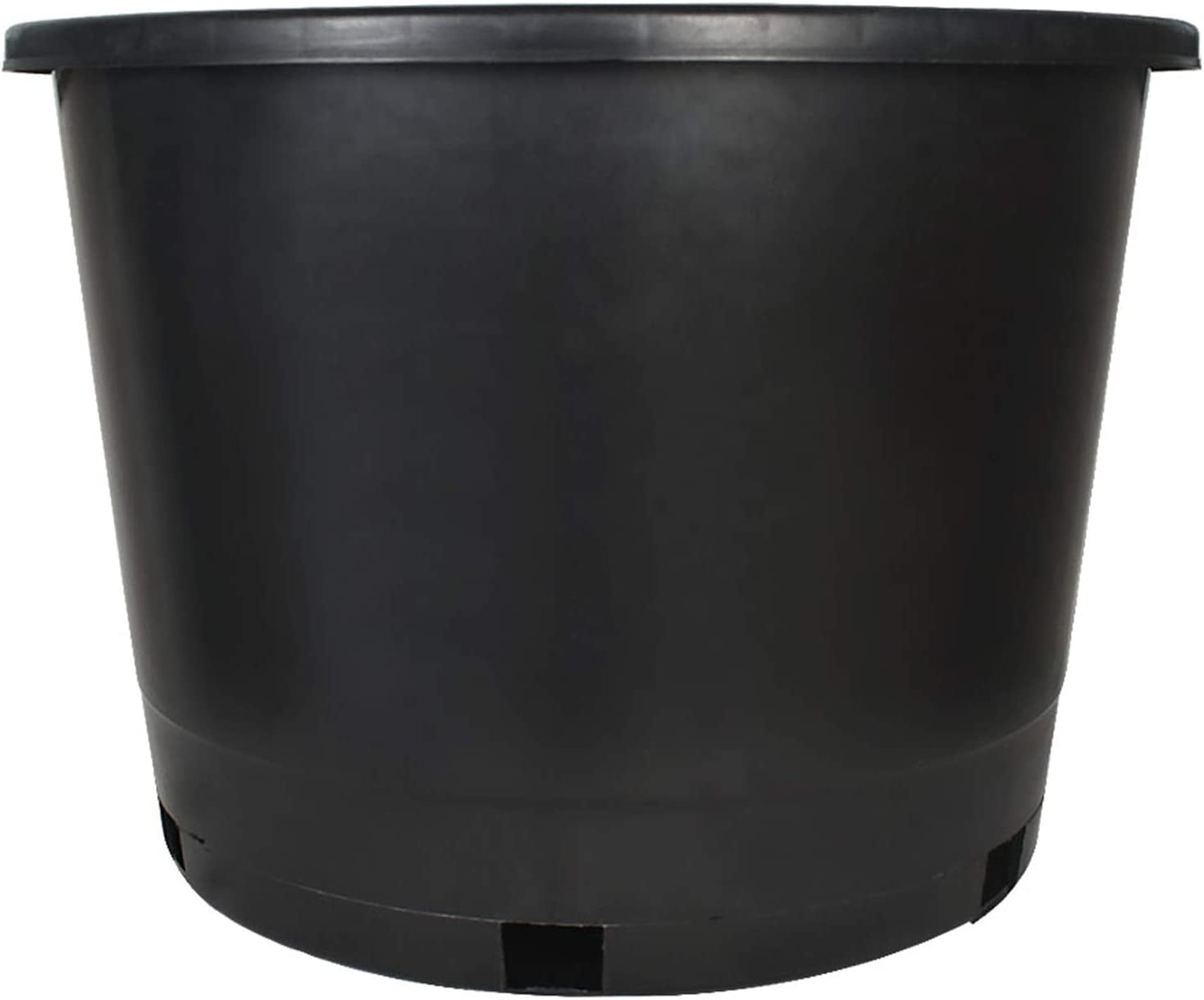
25-gallon planter pots offer a vast array of design options to suit various aesthetic preferences and outdoor spaces. The choice of materials, shapes, and colors can significantly impact the overall look and feel of your garden.
Materials: From classic terracotta and glazed ceramic to durable fiberglass and lightweight plastic, the material of the planter pot can complement or contrast with the surrounding landscape. Terracotta and ceramic pots provide a rustic charm, while fiberglass and plastic offer versatility and resistance to weather conditions.
Shapes
Planter pots come in a variety of shapes, including traditional round, square, and rectangular designs, as well as more unconventional forms like ovals, pyramids, and even animal shapes. The shape of the pot can create a focal point or blend seamlessly into the surrounding environment.
Colors
The color of the planter pot can have a dramatic effect on the overall aesthetics. Neutral shades like black, white, and gray provide a classic backdrop for plants, while brighter colors like red, yellow, and blue can create a vibrant statement. Consider the color scheme of your outdoor space and the hues of the plants you intend to grow.
Decorative Elements
In addition to the planter pot itself, various decorative elements can enhance its visual appeal. Trellises provide support for climbing plants, adding height and vertical interest to the arrangement. Plant stands elevate the pots, creating a more dramatic display. Sculptures or other garden ornaments can complement the planter pot and add a touch of whimsy or sophistication.
Practical Considerations
.jpg)
When selecting a 25-gallon planter pot, it is crucial to consider the material, drainage, soil preparation, and planting method to ensure optimal plant growth and aesthetics.
Material Considerations, 25 gallon planter pot
- Plastic: Durable, lightweight, and inexpensive. However, it can fade in sunlight and crack in cold temperatures.
- Terracotta: Porous, allowing for good drainage and aeration. However, it is heavy and can break easily.
- Wood: Natural and aesthetically pleasing. However, it requires regular maintenance to prevent rot and decay.
Drainage and Soil Preparation
Proper drainage is essential for preventing root rot. Choose pots with drainage holes or create them yourself if they are absent. Use a well-draining potting mix specifically designed for container gardening.
Raised Planters vs. In-Ground Planting
- Raised Planters: Allow for better drainage and root development. Provide easier access for maintenance and can extend the growing season in cold climates.
- In-Ground Planting: Provides more space for root growth and can create a more natural appearance. However, drainage can be an issue, and soil preparation may be more labor-intensive.
