Embark on a journey to the heart of the Agua Fria Power Plant, where cutting-edge technology and environmental stewardship converge. Nestled in the vibrant Sonoran Desert, this state-of-the-art facility stands as a testament to human ingenuity and the pursuit of sustainable energy.
Commissioned in 2003, Agua Fria Power Plant boasts a remarkable generating capacity of over 2,250 megawatts, supplying electricity to millions of homes and businesses across the region. Fueled by natural gas, the plant employs advanced combined-cycle technology to maximize efficiency while minimizing environmental impact.
Agua Fria Power Plant Overview

Agua Fria Power Plant, situated in New Mexico, stands as a coal-fired power plant commissioned in 1980. It is owned and operated by Public Service Company of New Mexico (PNM). The plant boasts a generating capacity of 1,525 megawatts (MW), making it one of the largest coal-fired power plants in the United States. Agua Fria Power Plant utilizes two massive generating units, each with a capacity of 763 MW.
Fuel Source and Environmental Impact
The primary fuel source for Agua Fria Power Plant is coal, primarily sourced from the nearby San Juan Basin. The plant’s annual coal consumption amounts to approximately 8 million tons. Coal combustion for electricity generation releases various pollutants into the atmosphere, including sulfur dioxide, nitrogen oxides, and particulate matter. To mitigate these emissions, the plant employs several pollution control technologies, such as scrubbers and electrostatic precipitators.
Regional Energy Grid and Economic Contributions
Agua Fria Power Plant plays a pivotal role in the regional energy grid, supplying electricity to numerous communities in New Mexico and neighboring states. The plant’s reliable and affordable power generation has supported the economic growth and development of the surrounding areas. It provides employment opportunities and contributes to local tax revenues, making it an integral part of the regional economy.
Agua Fria Power Plant Operations

The Agua Fria Power Plant employs a meticulous and efficient process to generate electricity while adhering to strict environmental standards. Its operations encompass advanced cooling systems, emissions controls, and safety measures, ensuring reliable and sustainable power production.
Fuel Combustion and Steam Generation
The plant utilizes natural gas as its primary fuel source. Natural gas is burned within the boiler, releasing heat that converts water into high-pressure steam. This steam drives the turbine, converting its kinetic energy into electrical energy.
Cooling Systems
The plant employs a closed-loop cooling system to dissipate heat generated during the power generation process. Water is circulated through a cooling tower, where it is cooled by evaporation and returned to the condenser. The condenser uses this cooled water to condense the steam back into water, completing the cycle.
Emissions Controls
The Agua Fria Power Plant implements several emissions control technologies to minimize its environmental impact. These include:
- Selective Catalytic Reduction (SCR): SCR systems reduce nitrogen oxide (NOx) emissions by injecting ammonia into the exhaust gas, converting NOx into harmless nitrogen and water.
- Flue Gas Desulfurization (FGD): FGD systems remove sulfur dioxide (SO2) emissions by spraying a limestone slurry into the exhaust gas, forming a gypsum byproduct that is removed.
- Particulate Matter Control: Electrostatic precipitators and baghouses capture particulate matter, such as fly ash, from the exhaust gas.
Safety Measures, Agua fria power plant
The plant prioritizes safety through a comprehensive set of measures, including:
- Emergency Shutdown Systems: The plant is equipped with multiple emergency shutdown systems to quickly and safely shut down operations in the event of an emergency.
- Fire Protection Systems: Advanced fire protection systems, including sprinklers, fire alarms, and foam suppression, safeguard the plant against fire hazards.
- Regular Inspections and Maintenance: The plant undergoes regular inspections and maintenance to ensure the reliability and safety of its equipment and systems.
Agua Fria Power Plant Expansion and Future Plans
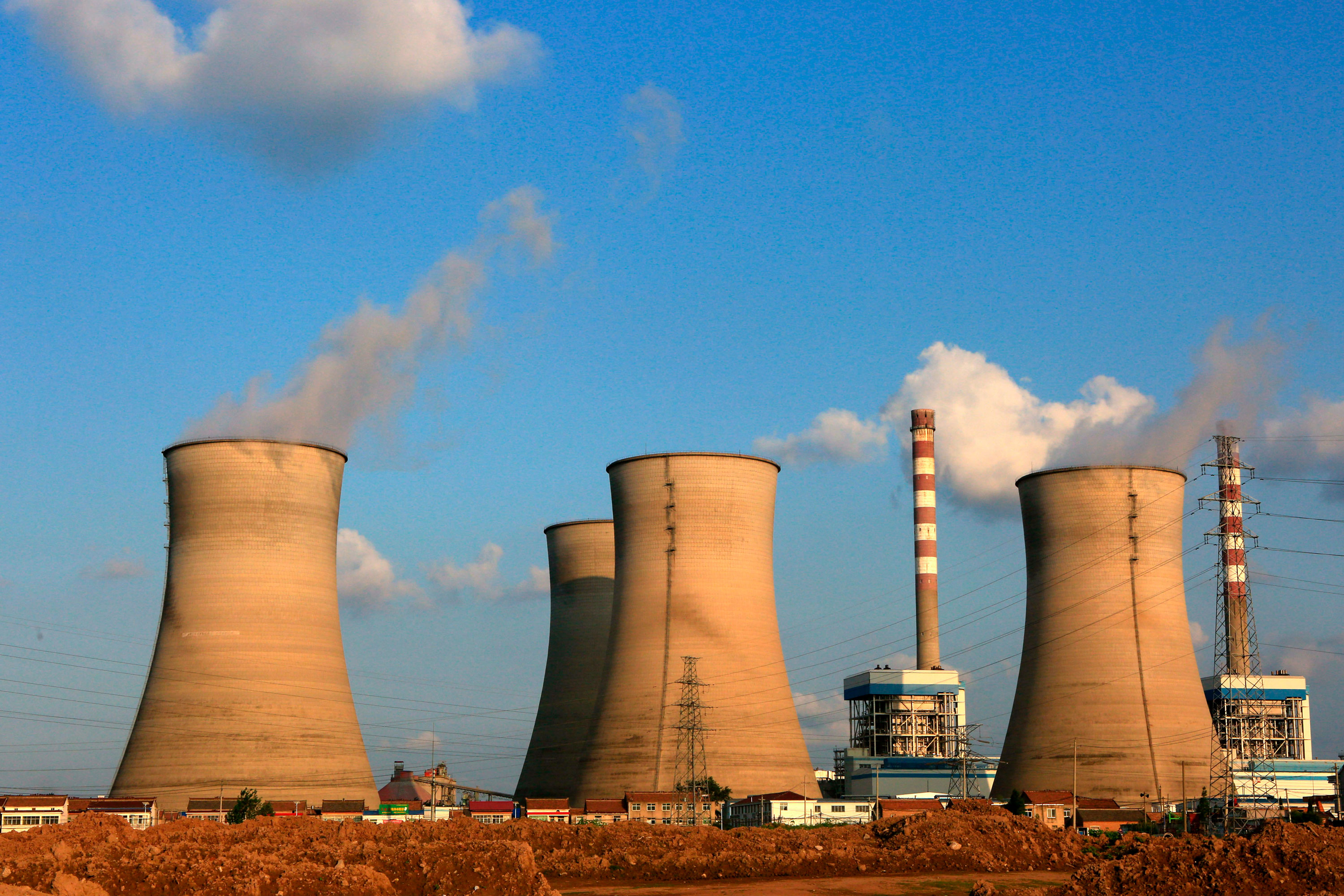
The Agua Fria Power Plant is poised for significant expansion in the coming years, with plans to increase its capacity and efficiency while embracing renewable energy sources and emissions reduction technologies. These ambitious plans aim to transform the plant into a hub for clean energy research and innovation.
Expansion Plans
The expansion plans for the Agua Fria Power Plant involve the addition of new generating units, utilizing advanced technologies to maximize efficiency and minimize environmental impact. These units will leverage combined-cycle technology, which combines gas and steam turbines to achieve higher efficiency rates. By optimizing the combustion process and recovering waste heat, the plant can significantly reduce its fuel consumption and carbon emissions.
Renewable Energy Integration
Recognizing the importance of sustainable energy sources, the Agua Fria Power Plant plans to incorporate renewable energy into its operations. Solar panels and wind turbines are being considered for installation on the plant site, allowing it to generate clean electricity from renewable resources. By diversifying its energy sources, the plant can reduce its reliance on fossil fuels and contribute to a cleaner energy mix.
Emissions Reduction Technologies
In line with its commitment to environmental stewardship, the Agua Fria Power Plant is implementing emissions reduction technologies to minimize its impact on air quality. These technologies include selective catalytic reduction (SCR) systems, which remove nitrogen oxides (NOx) from the exhaust gases, and flue gas desulfurization (FGD) systems, which remove sulfur dioxide (SO2). By deploying these technologies, the plant can meet stringent environmental regulations and contribute to improved air quality in the region.
Clean Energy Hub
Beyond its own operations, the Agua Fria Power Plant has the potential to become a hub for clean energy research and innovation. Partnerships with universities and research institutions can foster collaboration on cutting-edge technologies, such as carbon capture and storage, renewable energy integration, and grid optimization. By sharing knowledge and resources, the plant can contribute to the advancement of clean energy solutions and support the transition to a sustainable energy future.
