Air plants of Florida, a captivating natural wonder, thrive in the Sunshine State’s unique ecosystems. Embark on a journey to discover their habitats, cultivation techniques, and creative uses in landscaping, as we unveil the secrets of these enchanting epiphytes.
In Florida’s humid and warm environment, air plants find refuge in diverse habitats, from coastal dunes to cypress swamps. Their distribution is influenced by factors such as humidity, temperature, and sunlight, shaping the diverse array of species found throughout the state.
Florida Air Plants: Air Plants Of Florida
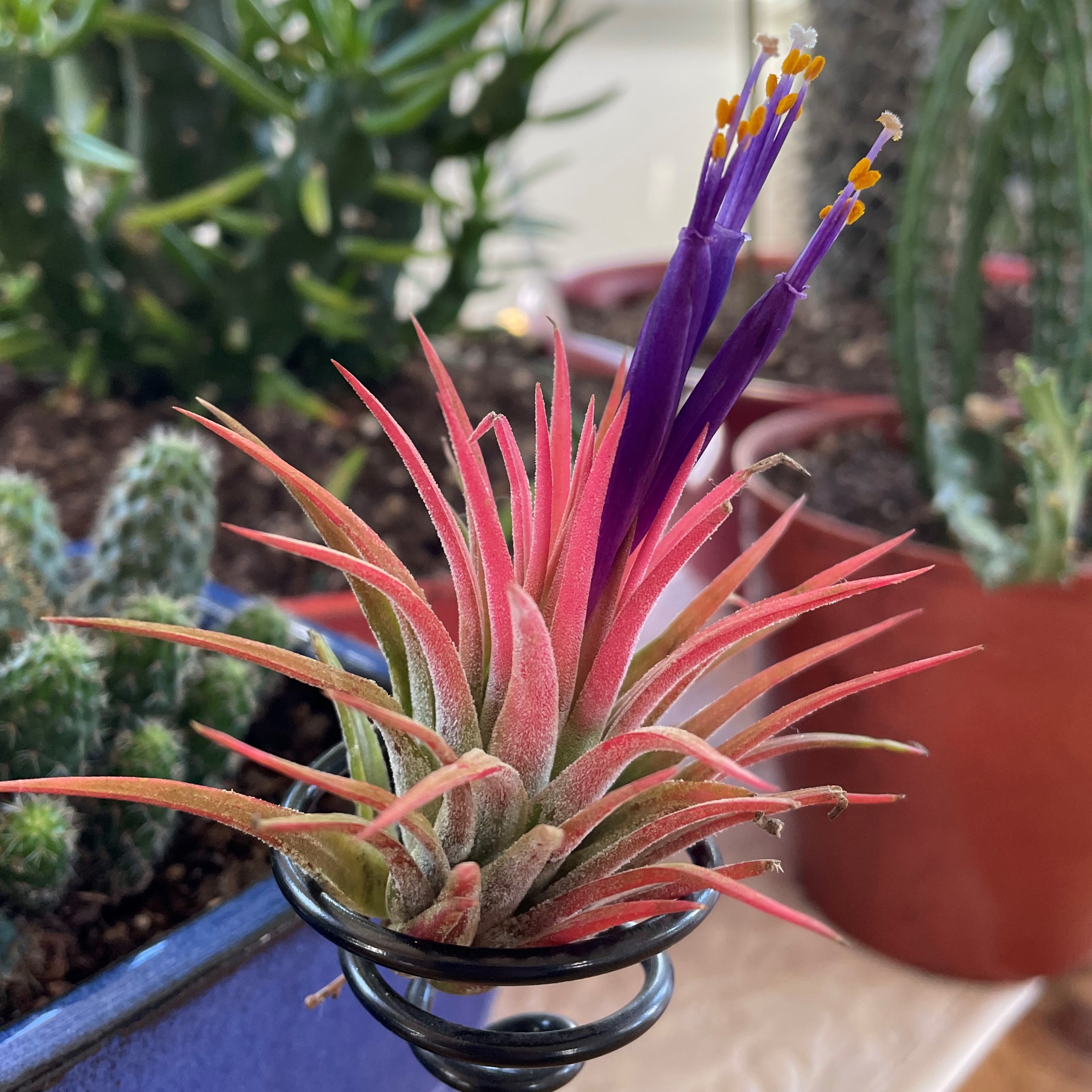
Air plants, also known as epiphytes, are fascinating plants that reside on the branches and trunks of trees, shrubs, and other structures in Florida’s diverse ecosystems. Their unique ability to absorb nutrients and moisture from the air and rain makes them well-adapted to their aerial habitats.
Natural Habitat and Distribution
Air plants in Florida are primarily found in humid, warm environments, including:
- Forests: Air plants thrive in the humid and shaded environments of Florida’s forests, where they attach themselves to tree branches and trunks.
- Swamps and Marshes: These areas provide ample moisture and humidity, creating favorable conditions for air plants to flourish.
- Coastal Areas: Air plants can also be found along the coastline, where they benefit from the salty air and high humidity.
The distribution of air plants in Florida is influenced by several environmental factors, including:
- Humidity: Air plants require high humidity levels to absorb moisture from the air. They are more prevalent in areas with consistent humidity, such as forests and swamps.
- Temperature: Air plants prefer warm temperatures and can tolerate a wide range of conditions, from subtropical to tropical. They are less common in areas with extreme temperature fluctuations.
- Sunlight: Air plants need indirect sunlight for photosynthesis. They are often found in shaded areas, such as under tree canopies or on the north side of buildings.
Types of Air Plants in Florida
Florida is home to a diverse range of air plants, each with unique characteristics and habitat preferences:
| Common Name | Scientific Name | Habitat |
|---|---|---|
| Spanish Moss | Tillandsia usneoides | Forests, swamps, coastal areas |
| Ball Moss | Tillandsia recurvata | Forests, swamps |
| Needleleaf Air Plant | Tillandsia setacea | Coastal areas, trees |
| Fuzzy Air Plant | Tillandsia pruinosa | Forests, trees |
| Starfish Air Plant | Tillandsia fasciculata | Forests, trees |
Air Plant Care and Cultivation

Air plants, also known as Tillandsia, are a unique and fascinating group of plants that can thrive in a wide range of environments. In Florida, with its warm, humid climate, air plants can be easily grown both indoors and outdoors.
Here are some basic care requirements for air plants in Florida:
- Watering: Air plants do not need to be planted in soil. They absorb moisture and nutrients from the air through their leaves. In Florida, air plants can be watered by misting them with water once or twice a week. During the summer months, you may need to water them more often.
- Fertilizing: Air plants can benefit from occasional fertilizing. Use a balanced liquid fertilizer diluted to half strength. Fertilize your air plants once a month during the growing season (spring and summer).
- Lighting: Air plants prefer bright, indirect light. Avoid placing them in direct sunlight, as this can scorch their leaves.
Mounting Air Plants
Air plants can be mounted on a variety of surfaces, including driftwood, shells, or wire frames. When mounting air plants, it is important to use a material that will not rot or deteriorate over time. You can also use glue or wire to secure your air plants to their mounts.
Propagating Air Plants
Air plants can be propagated through offsets or seeds. Offsets are small plants that grow from the base of the mother plant. To propagate air plants through offsets, simply remove the offset from the mother plant and plant it in a new location.
Air plants can also be propagated through seeds. However, this method is more difficult and time-consuming. To propagate air plants through seeds, you will need to collect the seeds from the seed pods of the mother plant. The seeds can then be sown in a well-draining potting mix.
Air Plants in Florida Landscapes
Air plants, also known as tillandsias, are a unique and versatile group of plants that can add a touch of the tropics to any Florida landscape. They are epiphytes, meaning they grow on other plants or objects, and they do not require soil to survive. This makes them ideal for a variety of applications, both indoors and outdoors.
One of the most popular ways to use air plants in Florida landscapes is as vertical accents. They can be attached to trees, walls, or other structures, where they will add a touch of greenery and interest. Air plants can also be used to create hanging displays, which can be a great way to add some color and life to a patio or porch.
Groundcovers
Air plants can also be used as groundcovers, which is a great way to add some texture and interest to a garden. They are relatively low-maintenance, and they can tolerate a wide range of conditions. Air plants can be used to create a variety of different looks, from a lush, tropical groundcover to a more subtle, minimalist look.
Terrariums, Bottle Gardens, or Kokedamas, Air plants of florida
Air plants are also a great choice for terrariums, bottle gardens, or kokedamas. These are all enclosed environments that can be used to create a miniature ecosystem. Air plants thrive in these environments, and they can add a touch of beauty and interest to any home.