Air pot for plants – Air pots for plants have emerged as a revolutionary solution for gardeners, offering unparalleled benefits for plant growth. Their unique design and aeration system create an environment that fosters healthy root development, leading to thriving plants with increased vigor and productivity.
Air pots are designed with numerous air holes that allow for continuous air flow throughout the root zone. This aeration promotes oxygen uptake by the roots, stimulating cell division and root growth. Unlike traditional containers that can restrict root growth, air pots encourage roots to grow outward, creating a dense and fibrous root system that anchors the plant firmly and enhances nutrient absorption.
Air Pot Plant Benefits: Air Pot For Plants
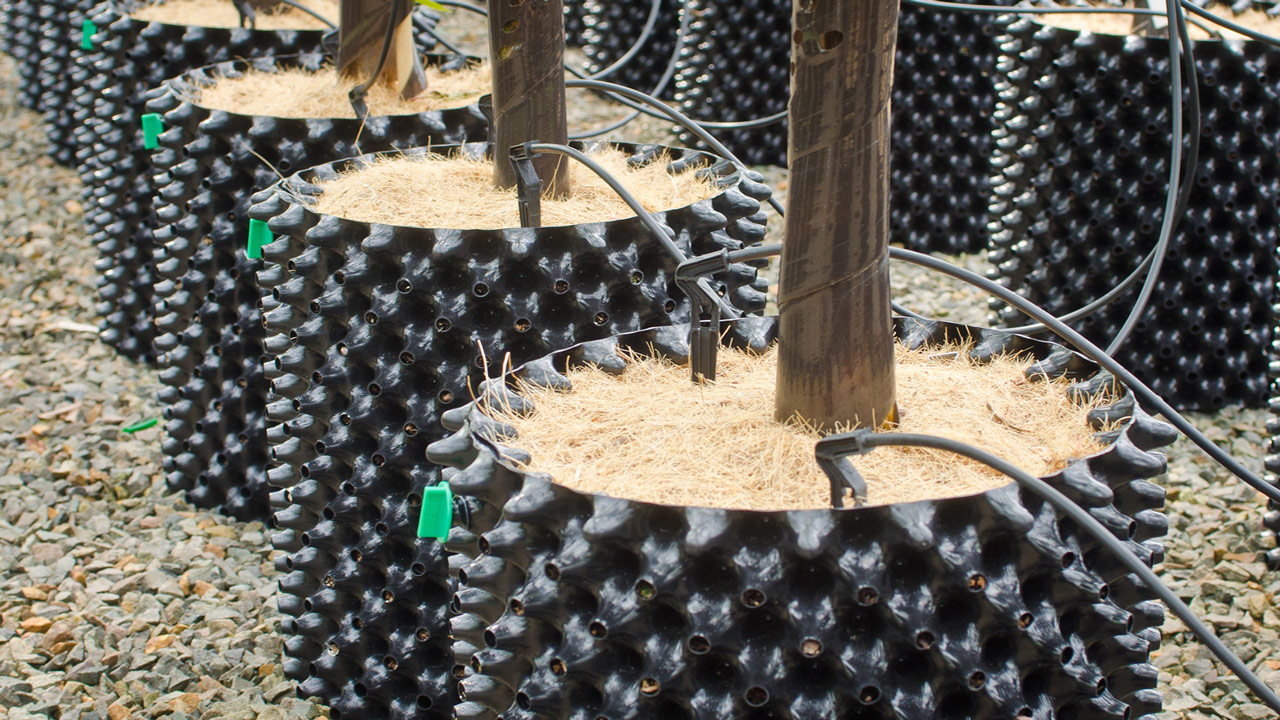
Air pots, also known as air-pruning pots, offer significant advantages for plant growth compared to traditional containers. Their unique design promotes healthy root development, leading to increased vigor and productivity.
Plants grown in air pots exhibit improved water and nutrient uptake, resulting in optimal growth rates. They are particularly beneficial for species that require well-drained soil, such as tomatoes, peppers, and strawberries.
Healthy Root Development
The air pruning effect in air pots occurs when the roots reach the edge of the container and are exposed to the surrounding air. This exposure triggers the formation of new root tips, creating a dense and fibrous root system.
- Promotes lateral root growth, preventing circling roots that can restrict nutrient uptake.
- Reduces the risk of root rot and other root diseases by preventing waterlogging.
- Enhances the plant’s ability to withstand drought conditions due to the increased root mass.
Air Pot Design and Features
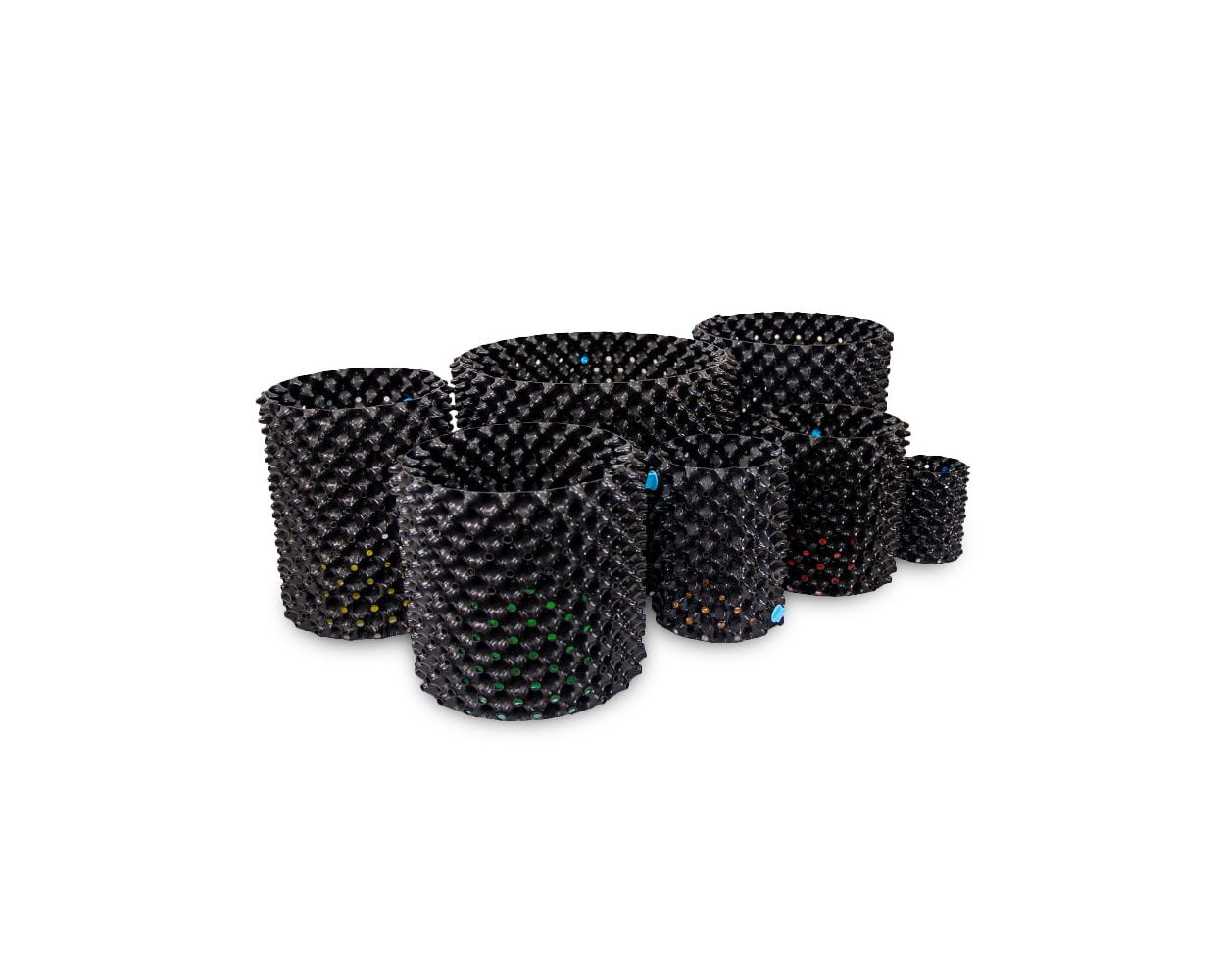
Air pots, a revolutionary concept in plant containers, boast a unique design that sets them apart from traditional pots. Their distinctive features and innovative construction materials contribute to their exceptional performance in promoting healthy root growth and overall plant development.
Air pots are crafted from a durable, lightweight plastic material that provides excellent drainage and aeration. The pot’s walls are perforated with strategically placed holes that allow for optimal air circulation around the root zone. This aeration system is crucial for root health, as it prevents waterlogging and encourages the growth of a dense and fibrous root network.
Materials Used in Air Pot Construction
The choice of plastic material used in air pot construction is not arbitrary. It undergoes rigorous testing to ensure it meets specific criteria for durability, flexibility, and resistance to degradation from environmental factors. The material’s composition allows the pot to withstand the rigors of daily use, including exposure to sunlight, moisture, and temperature fluctuations.
Aeration System and Its Impact on Plant Growth, Air pot for plants
The aeration system incorporated into air pots is a key factor in their success. By allowing ample air to reach the root zone, it prevents the development of anaerobic conditions that can lead to root rot and other problems. The constant supply of oxygen stimulates root respiration, promoting vigorous growth and nutrient uptake. This enhanced aeration also encourages the development of a more extensive root system, which increases the plant’s stability, water absorption capacity, and overall health.
Air Pot Usage and Applications
Air pots are a versatile gardening solution suitable for a wide range of plants and environments. Understanding their optimal usage guidelines and applications can maximize their benefits and ensure plant health.
Selecting the Appropriate Air Pot Size
Selecting the appropriate air pot size is crucial for plant growth. Consider the plant’s root system and growth habit:
- Small plants with shallow root systems, such as herbs and annuals, thrive in air pots ranging from 1 to 3 gallons.
- Medium-sized plants, like shrubs and perennials, require air pots between 3 and 5 gallons.
- Large plants, including trees and large shrubs, benefit from air pots of 5 gallons or more.
Ideal Soil Mix and Watering Techniques
Air pots require a well-draining soil mix to prevent waterlogging and promote root aeration. A combination of 1 part compost, 1 part perlite, and 1 part vermiculite is ideal.
Water air pots thoroughly when the soil feels dry to the touch. Avoid overwatering, as excess moisture can lead to root rot. Allow the soil to dry out slightly between watering.
Applications in Various Gardening Environments
Air pots are versatile and can be used in various gardening environments:
- Indoor gardening: Air pots provide excellent drainage and aeration, making them suitable for indoor plants that require well-drained soil, such as succulents and orchids.
- Outdoor gardening: Air pots are durable and can withstand outdoor conditions. They are ideal for plants that need good drainage, such as vegetables and fruit trees.
- Hydroponic systems: Air pots can be adapted for use in hydroponic systems. They provide excellent support for plants and allow for efficient nutrient delivery.