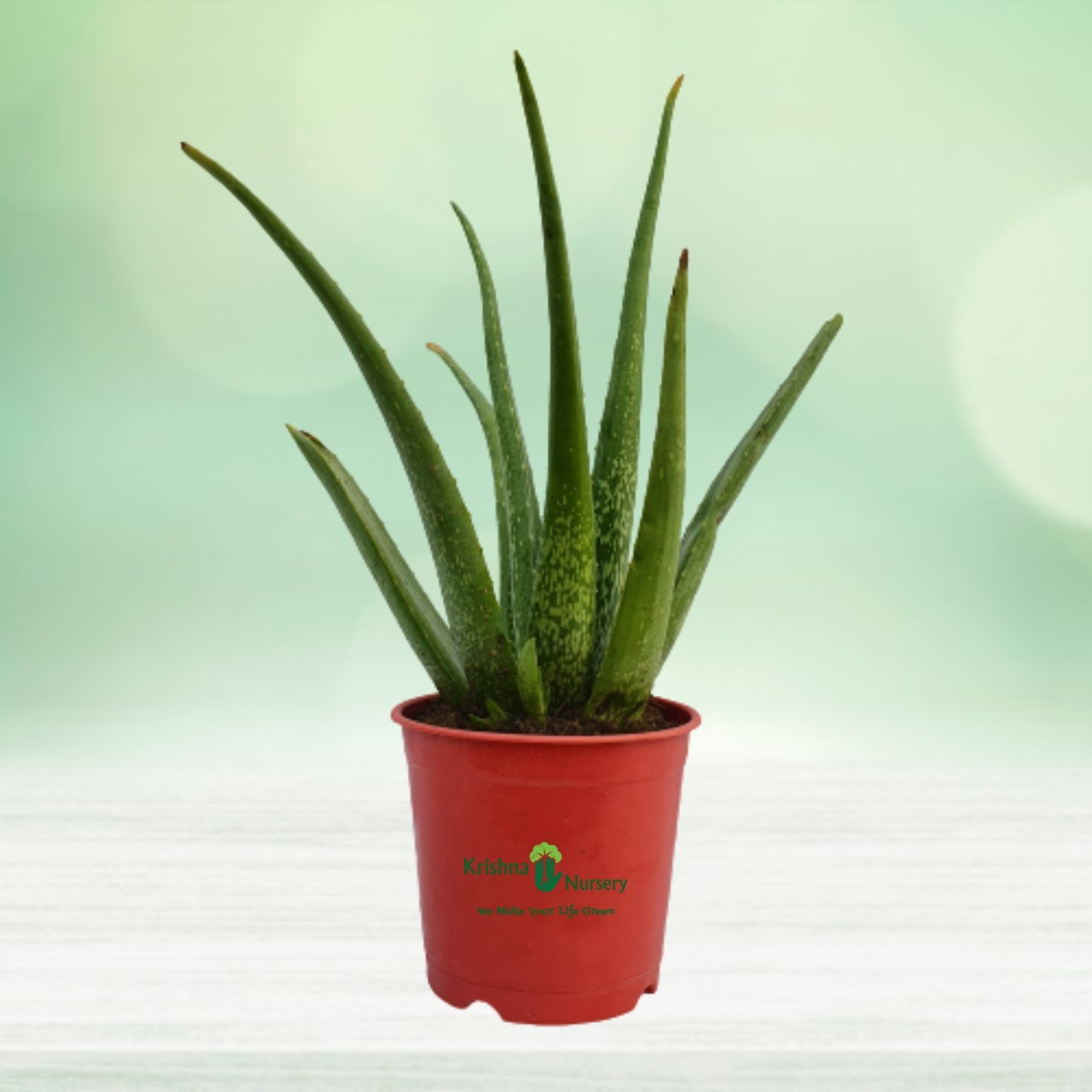
Aloe plant pot size – Choosing the right pot size for your aloe plant is crucial for its health and longevity. Understanding the ideal pot size, potting techniques, and common mistakes can help you create the optimal environment for your aloe plant to thrive.
Aloe plants, known for their medicinal properties and hardiness, require specific pot sizes to support their growth habits and root development. This guide will delve into the intricacies of aloe plant pot size, providing you with the knowledge and tips to ensure your aloe plant flourishes.
Pot Size Considerations for Aloe Plants

Selecting the appropriate pot size is crucial for optimal growth and health of aloe plants. The size of the pot should accommodate the plant’s root system while allowing for proper drainage. Over-potting can lead to waterlogging, while under-potting can restrict root growth.
Determining the Ideal Pot Size
For young aloe plants, a pot with a diameter of 4-6 inches is suitable. As the plant matures, it will require a larger pot. A general rule of thumb is to choose a pot that is 2-3 inches wider than the root ball. The depth of the pot should be approximately the same as the width.
Impact on Drainage and Root Development
A well-draining pot is essential for aloe plants. A pot with drainage holes at the bottom allows excess water to escape, preventing root rot. A pot that is too large can hold excess water, creating waterlogged conditions that can damage the roots.
Conversely, a pot that is too small can restrict root growth. When roots become pot-bound, they can become stunted and unable to absorb nutrients and water effectively. This can lead to poor plant growth and health.
Potting and Repotting Aloe Plants
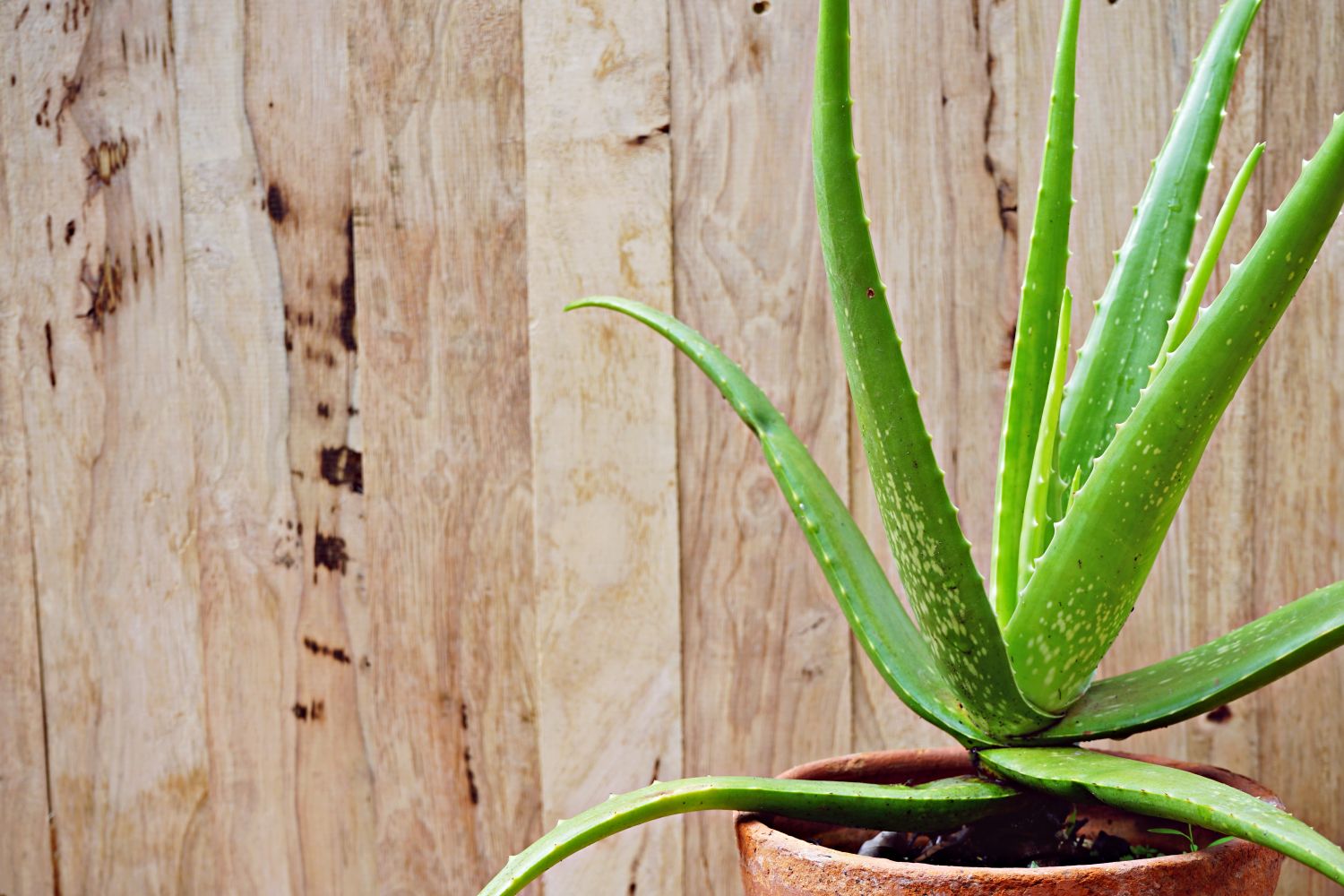
Aloe plants thrive in well-draining soil and appropriate pot sizes. Repotting is necessary as they grow, to ensure optimal growth and prevent root rot.
When potting or repotting, choose a pot with drainage holes to prevent waterlogging. The pot should be slightly larger than the root ball, allowing for some growth space but not too much excess soil that can retain moisture.
Using Well-Draining Soil
Aloe plants prefer well-draining soil to prevent root rot. A mixture of cactus potting mix and perlite or pumice is ideal, as it provides good drainage and aeration.
Handling Aloe Plants During Potting and Repotting
Handle aloe plants carefully during potting and repotting to minimize root damage. Gently loosen the roots from the old pot, and remove any dead or damaged roots. Place the plant in the new pot and fill it with soil, gently firming it around the base of the plant.
Common Mistakes in Potting Aloe Plants: Aloe Plant Pot Size
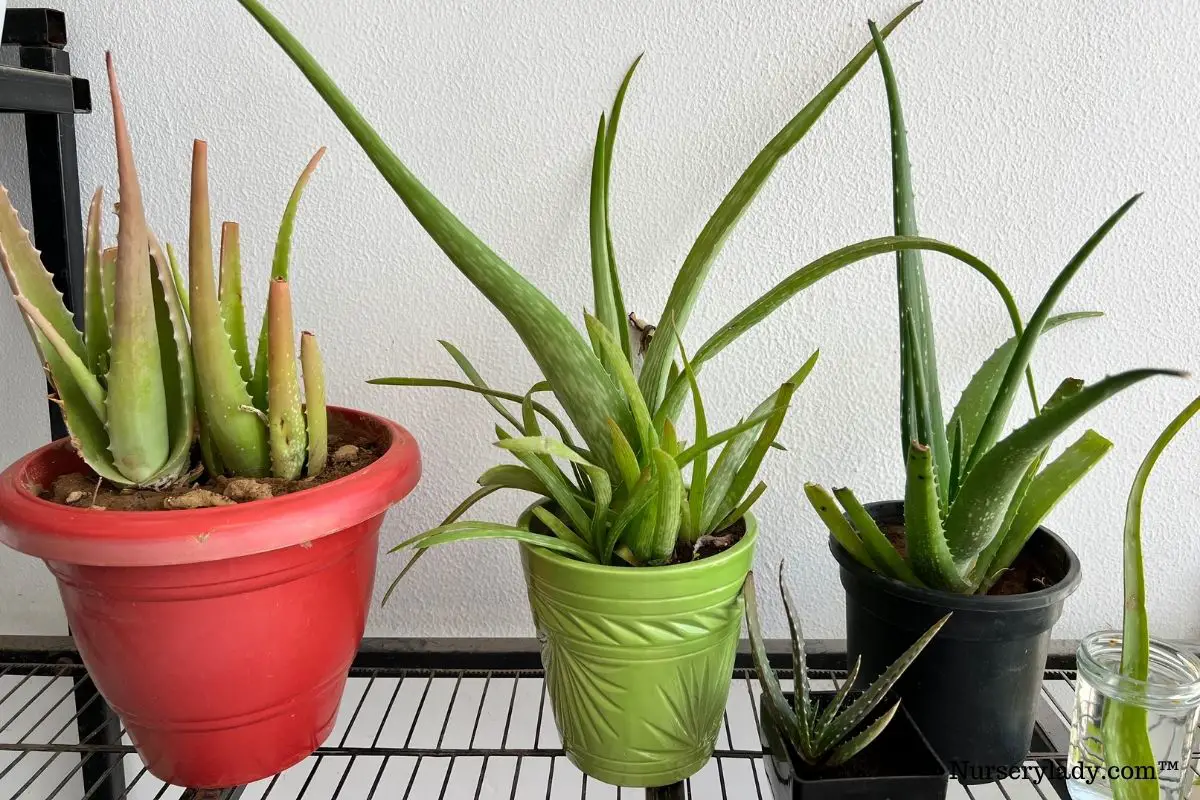
When potting aloe plants, there are several common mistakes that can be made, leading to potential problems for the plant’s health and growth. Understanding these mistakes and how to avoid them is crucial for ensuring the well-being of your aloe plant.
Over- or Under-Potting
Choosing the wrong pot size can have significant consequences for aloe plants. Over-potting, using a pot that is too large, can lead to waterlogging and root rot. The excess soil retains too much moisture, creating an environment conducive to fungal growth and damaging the plant’s roots. Conversely, under-potting, using a pot that is too small, restricts the plant’s growth and root development. This can stunt the plant’s growth and limit its ability to absorb nutrients.
Improper Soil Type
Aloe plants require well-draining soil to thrive. Using soil that is too dense or retains too much moisture can lead to root rot and other problems. A suitable potting mix for aloe plants should be composed of a combination of well-draining materials, such as perlite, pumice, or sand, to ensure proper drainage and aeration.
Preventing Root Rot, Aloe plant pot size
Root rot is a common issue that can affect aloe plants. It occurs when the roots are exposed to excessive moisture for prolonged periods. To prevent root rot, it is essential to use well-draining soil, avoid overwatering, and ensure the pot has adequate drainage holes. Additionally, using a fungicide as a preventative measure can help protect the plant from fungal infections that can lead to root rot.