
Ants in orchid plants – In the world of nature, the relationship between ants and orchid plants is a fascinating one, marked by both mutual benefits and potential drawbacks. Delving into this intriguing topic, this article explores the various ant species that frequent orchid plants, their specific behaviors and characteristics, and the potential impact they can have on orchid health.
From prevention and control measures to strategies for cohabitation, we will delve into the intricacies of this unique relationship, providing practical guidance and insights into the delicate balance between these two organisms.
Ant Species Impacting Orchid Health

Orchid plants often play host to a variety of ant species, each with its own unique behaviors and characteristics. While some ants can be beneficial to orchids, providing protection from pests and facilitating pollination, others can be detrimental, feeding on the plant’s nectar and damaging its tissues.
Understanding the different types of ants that can infest orchid plants is crucial for orchid enthusiasts and growers. By identifying the ant species present, appropriate management strategies can be implemented to maintain the health and vitality of the orchid collection.
Common Ant Species Found in Orchid Plants
- Green Tree Ants (Oecophylla smaragdina): Green tree ants are commonly found in tropical and subtropical regions. They are highly aggressive and can inflict painful bites. While they can provide some protection against other pests, they also feed on orchid nectar and can damage the plant’s tissues.
- Sugar Ants (Camponotus spp.): Sugar ants are attracted to the sweet nectar produced by orchids. They can consume large quantities of nectar, depriving the plant of essential nutrients. Additionally, they can damage the plant’s flowers and leaves.
- Pharaoh Ants (Monomorium pharaonis): Pharaoh ants are small, light-colored ants that are commonly found in warm, humid environments. They are opportunistic feeders and can infest orchid plants, feeding on nectar, honeydew, and other organic matter.
- Ghost Ants (Tapinoma melanocephalum): Ghost ants are small, pale-colored ants that are often found in colonies with multiple queens. They are known to feed on the nectar and honeydew produced by orchids and can also damage the plant’s tissues.
- Carpenter Ants (Camponotus pennsylvanicus): Carpenter ants are large, black ants that nest in wood. They can infest orchid plants that are grown in wooden containers or placed near wooden structures. Carpenter ants can damage the plant’s roots and stems, weakening the plant and making it more susceptible to disease.
Prevention and Control of Ant Infestations: Ants In Orchid Plants
Ant infestations in orchid plants can be a nuisance and can even lead to plant damage. Fortunately, there are a number of steps you can take to prevent and control ant infestations.
Prevention
The best way to prevent ant infestations is to eliminate potential food sources. This means keeping your orchids clean and free of debris, and avoiding over-fertilizing. You should also inspect your orchids regularly for signs of ants, and take steps to remove any ants that you find.
Control
If you do find ants on your orchids, there are a number of methods you can use to control them.
Organic Treatments
There are a number of organic treatments that can be effective in controlling ant infestations. These include:
- Cinnamon: Ants dislike the smell of cinnamon, so sprinkling cinnamon around your orchids can help to deter them.
- Citrus: Ants also dislike the smell of citrus fruits, so you can try spraying your orchids with a mixture of lemon or orange juice and water.
- Vinegar: Vinegar is another natural ant repellent. You can mix equal parts vinegar and water and spray it around your orchids.
Chemical Treatments
If organic treatments are not effective, you may need to use a chemical treatment to control ant infestations. There are a number of different chemical treatments available, so be sure to read the label carefully before using any of them.
Natural Repellents
There are a number of natural repellents that can be effective in keeping ants away from your orchids. These include:
- Coffee grounds: Ants dislike the smell of coffee grounds, so you can sprinkle them around your orchids to deter them.
- Peppermint oil: Peppermint oil is another natural ant repellent. You can add a few drops of peppermint oil to a spray bottle filled with water and spray it around your orchids.
- Tea tree oil: Tea tree oil is a natural insecticide that can also be used to repel ants. You can add a few drops of tea tree oil to a spray bottle filled with water and spray it around your orchids.
Cohabitation Strategies for Ants and Orchids
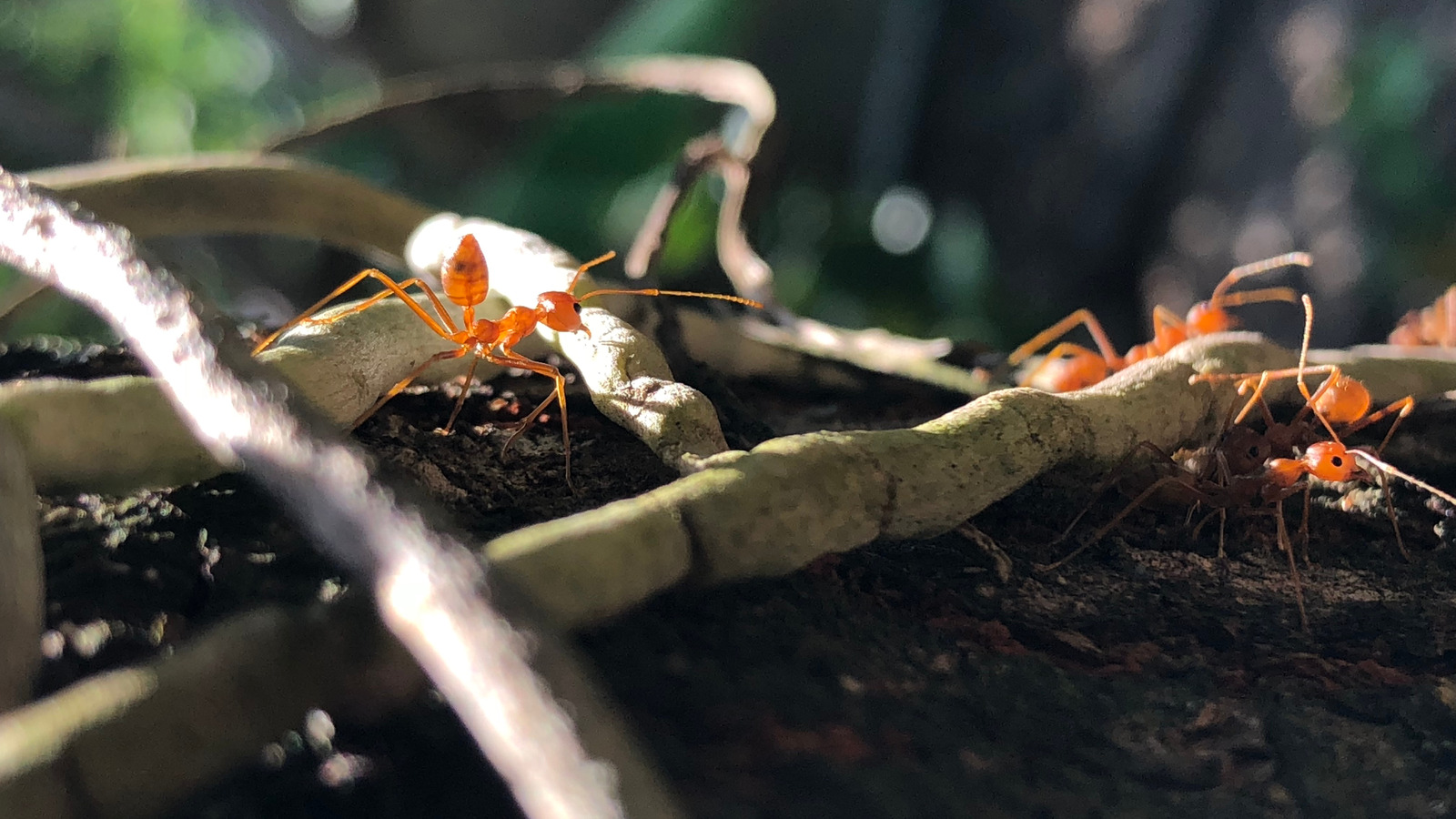
In specific circumstances, ants and orchids can coexist harmoniously, with both species benefiting from the association. Orchids can provide shelter and food sources for ants, while ants can assist in pollination and protection against herbivores.
Orchid Species Thriving with Ants, Ants in orchid plants
Certain orchid species have evolved adaptations that make them particularly suited to cohabitation with ants. These include:
- Bulbophyllum bicolor: Produces hollow pseudobulbs that house ant colonies.
- Myrmecophila tibicinis: Possesses specialized nectar glands that attract ants for pollination.
- Myrmecodia tuberosa: Forms large, bulbous structures that provide nesting sites for ants.
Creating a Balanced Ecosystem
To create a balanced ecosystem between ants and orchids, it is crucial to:
- Control ant populations: Prevent excessive ant presence that could damage orchid roots or compete for resources.
- Provide alternative food sources: Offer sugar water or other ant-friendly foods to reduce their reliance on orchid nectar.
- Monitor for pests: Ants can deter herbivores, but excessive ant populations may attract pests such as aphids.
