In the realm of industrial settings, the balance of the plant (BOP) stands as a crucial component, orchestrating the seamless functioning of various systems and processes. Comprising an array of intricate components and subsystems, BOP plays a pivotal role in industries ranging from manufacturing to energy production.
From design and engineering considerations to operation and maintenance practices, understanding the intricacies of BOP is paramount to ensuring optimal performance, minimizing downtime, and maximizing the lifespan of industrial facilities.
Balance of Plant (BOP) Overview: Balance Of The Plant
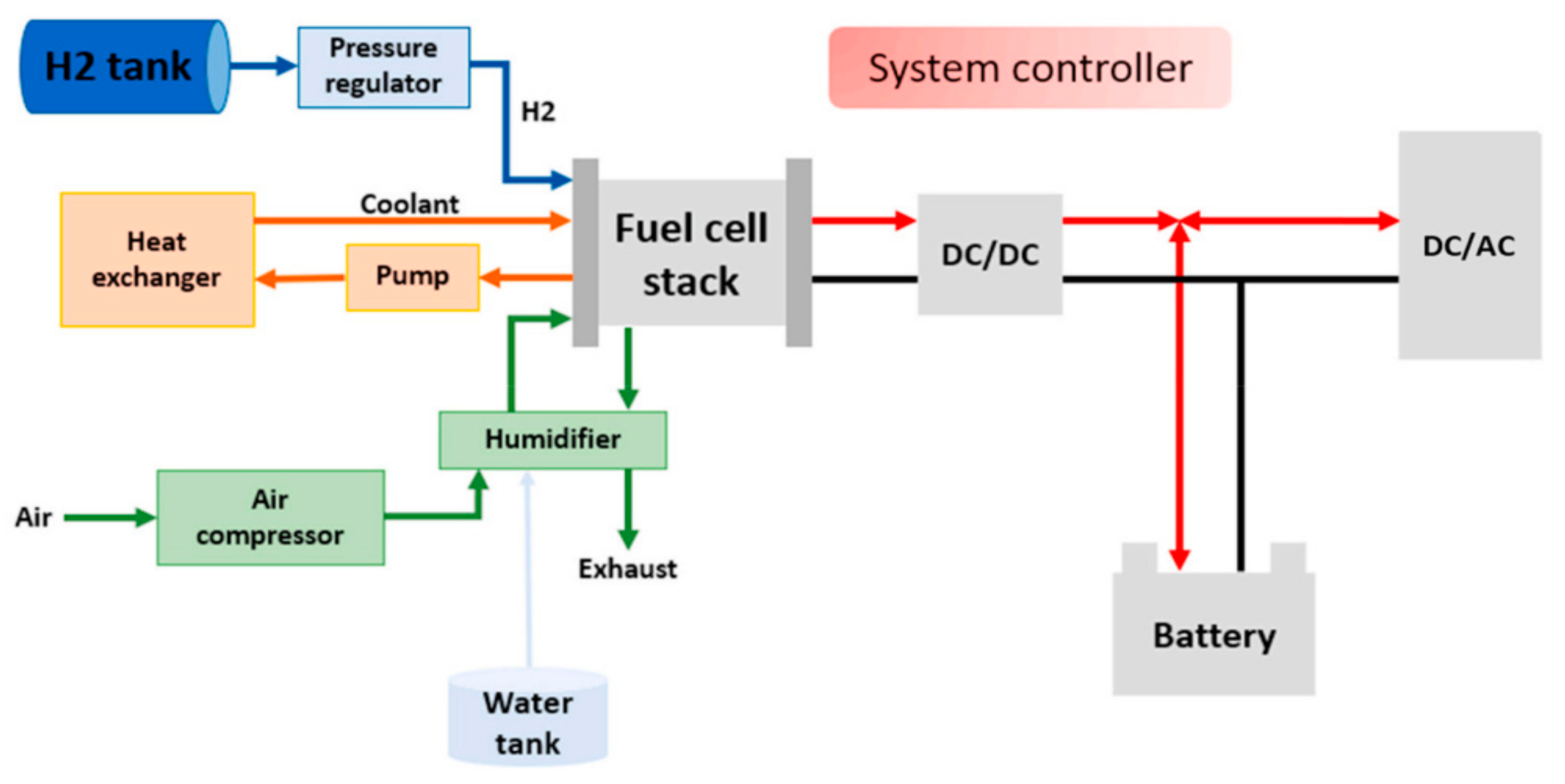
In industrial settings, the Balance of Plant (BOP) refers to all the components and systems of a facility that are not directly involved in the core production process. BOP is crucial for ensuring the smooth and efficient operation of the facility, providing essential support functions such as power generation, water treatment, and waste management.
The BOP encompasses a wide range of components, including boilers, turbines, generators, pumps, compressors, heat exchangers, cooling towers, and control systems. These components work together to provide the necessary utilities and services for the production process, such as electricity, steam, water, compressed air, and cooling water.
Industries Reliant on BOP
BOP is essential for a wide range of industries, including:
- Power generation plants
- Oil and gas refineries
- Chemical plants
- Pharmaceutical plants
- Food and beverage processing plants
Design and Engineering Considerations for BOP
Designing and engineering Balance of Plant (BOP) systems involve careful consideration of multiple factors to ensure optimal performance and efficiency. These factors include system reliability, maintainability, safety, and cost-effectiveness.
Engineering principles play a crucial role in optimizing BOP performance. Engineers apply principles of thermodynamics, fluid mechanics, and control theory to design systems that operate efficiently and meet specific performance requirements. Simulation tools and software are extensively used to model and analyze BOP systems, enabling engineers to predict system behavior and optimize designs before physical implementation.
Factors to Consider in BOP Design
- System Reliability: BOP systems must be designed with high reliability to minimize unplanned outages and downtime. This involves selecting robust components, implementing redundancy, and employing fault-tolerant designs.
- Maintainability: BOP systems should be designed for ease of maintenance to reduce downtime and maintenance costs. This includes providing easy access to components, modular designs, and diagnostic capabilities.
- Safety: BOP systems must adhere to strict safety standards to protect personnel and equipment. This involves incorporating safety features, such as pressure relief valves, interlocks, and emergency shutdown systems.
- Cost-effectiveness: BOP systems should be designed to minimize capital and operating costs while meeting performance requirements. This involves optimizing component selection, system layout, and energy efficiency.
Engineering Principles Involved in BOP Optimization
- Thermodynamics: Thermodynamics principles are applied to analyze energy conversion processes within BOP systems, such as heat exchangers, boilers, and turbines.
- Fluid Mechanics: Fluid mechanics principles are used to design and optimize fluid flow systems, including piping, pumps, and valves.
- Control Theory: Control theory principles are employed to design and implement control systems that regulate system parameters, such as temperature, pressure, and flow rate.
Use of Simulation Tools and Software for BOP Design, Balance of the plant
Simulation tools and software play a vital role in BOP design by enabling engineers to model and analyze system behavior. These tools allow engineers to simulate various operating conditions, predict system performance, and identify potential issues before physical implementation.
Common simulation tools used for BOP design include:
- Computational Fluid Dynamics (CFD) software for simulating fluid flow and heat transfer.
- Thermodynamic modeling software for analyzing energy conversion processes.
- Control system simulation software for designing and testing control algorithms.
Operation and Maintenance of BOP
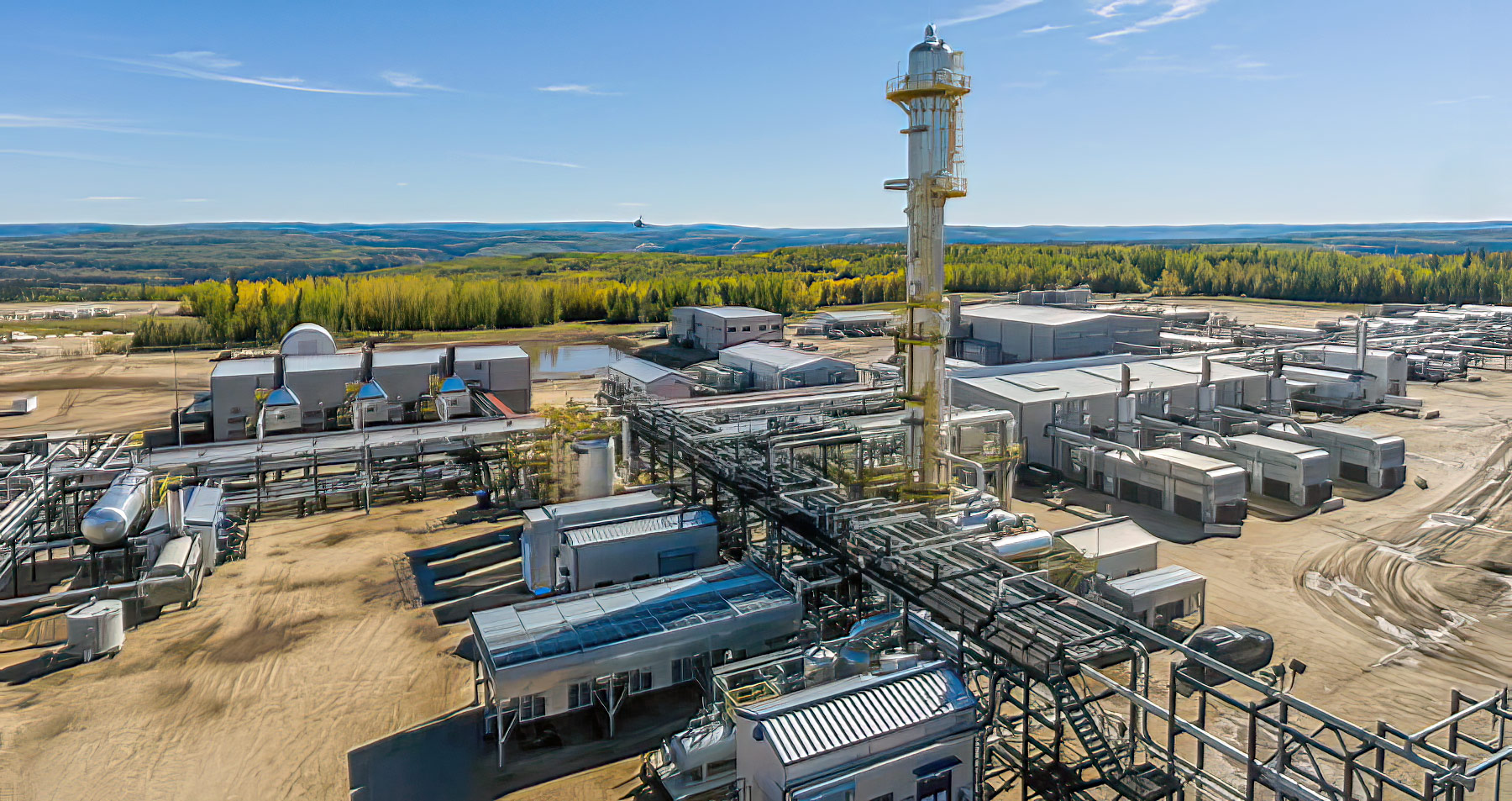
Efficient operation and maintenance are crucial for optimal performance and longevity of Balance of Plant (BOP) systems. Proper practices ensure reliable operation, minimize downtime, and extend BOP lifespan.
Best Practices for Operating BOP Systems
* Monitor and control system parameters: Regularly monitor critical parameters such as temperature, pressure, flow rates, and vibration levels to identify any deviations from normal operating conditions.
* Maintain proper lubrication: Adhere to lubrication schedules and use the recommended lubricants to reduce friction and wear in moving components.
* Perform routine inspections: Conduct regular visual inspections and use diagnostic tools to detect potential issues early on, allowing for timely corrective actions.
* Optimize operating conditions: Adjust system settings, such as pump speeds and valve positions, to optimize performance and minimize energy consumption.
* Train operators: Provide comprehensive training to operators on safe and efficient operation of BOP systems, including emergency procedures.
Common Maintenance Tasks and Their Impact
* Regular cleaning: Remove dirt, debris, and corrosion from BOP components to prevent performance degradation and premature failures.
* Valve maintenance: Inspect, clean, and repair valves regularly to ensure proper operation and prevent leaks.
* Pump maintenance: Service pumps as per the manufacturer’s recommendations, including impeller replacement, bearing lubrication, and seal inspection.
* Electrical maintenance: Inspect electrical connections, cables, and motors to identify and address any potential electrical issues.
* Instrument calibration: Calibrate instruments regularly to ensure accurate readings and reliable control of BOP systems.
Strategies for Minimizing Downtime and Maximizing BOP Lifespan
* Predictive maintenance: Implement predictive maintenance techniques, such as vibration analysis and thermography, to identify potential issues before they cause significant downtime.
* Spare parts inventory: Maintain a stock of critical spare parts to minimize downtime during emergencies.
* Regular upgrades and retrofits: Consider regular upgrades and retrofits to improve BOP performance, reduce maintenance requirements, and extend lifespan.
* Maintenance contracts: Engage with qualified maintenance providers to ensure timely and expert servicing of BOP systems.
* Continuous improvement: Regularly review maintenance practices, identify areas for improvement, and implement changes to enhance BOP reliability and efficiency.