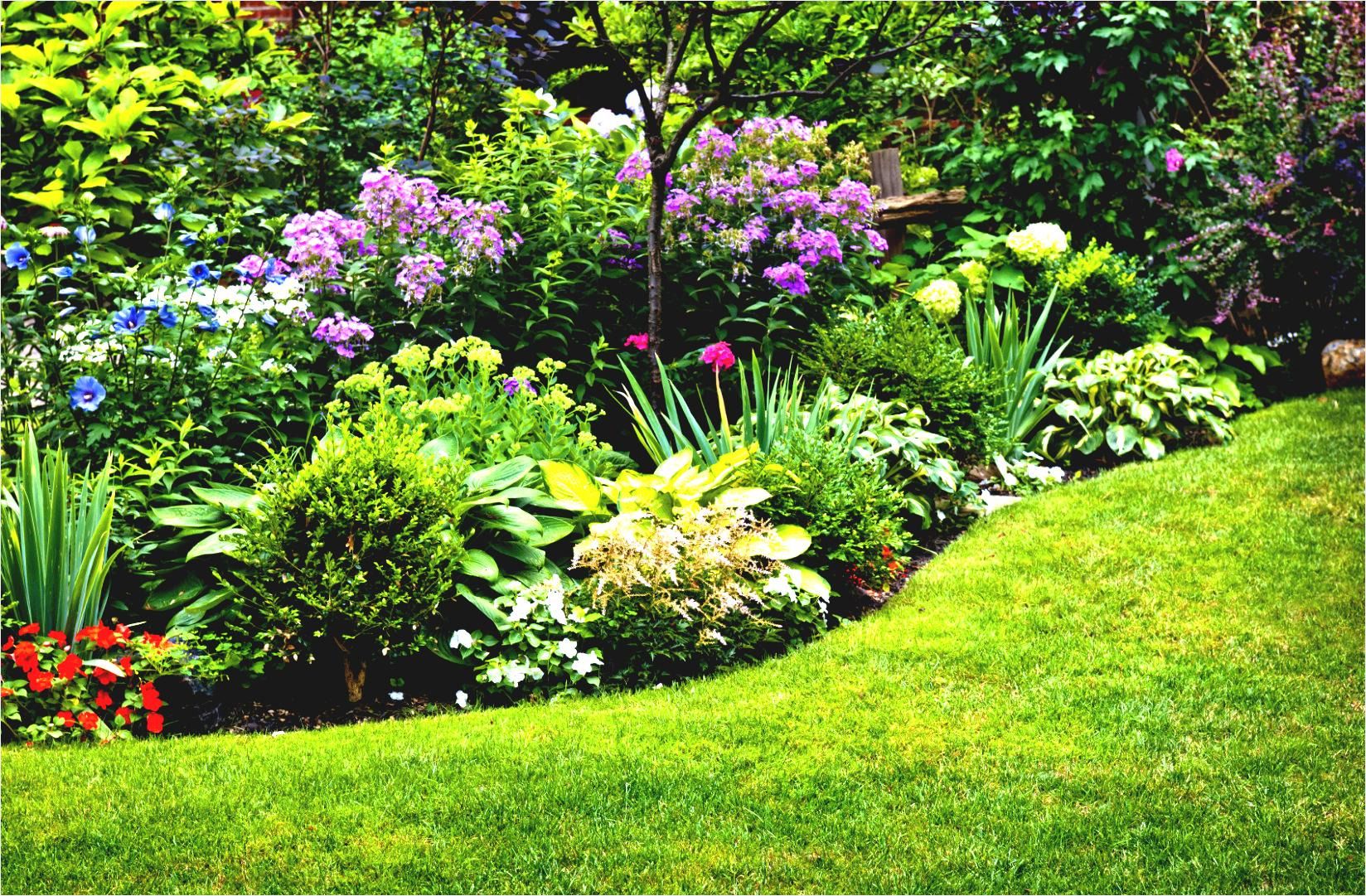
Discover the world of best zone 9 plants, where vibrant colors, lush foliage, and captivating fragrances intertwine to create breathtaking landscapes. As we delve into the fascinating realm of Zone 9 gardening, let’s explore the most popular plants, design considerations, and essential care tips to transform your outdoor space into a horticultural haven.
Zone 9, characterized by its mild winters and warm summers, offers a wide array of plant life that thrives in these conditions. From towering trees to vibrant shrubs and delicate perennials, there’s a plant for every taste and landscape design.
Most Popular Zone 9 Plants for Landscaping
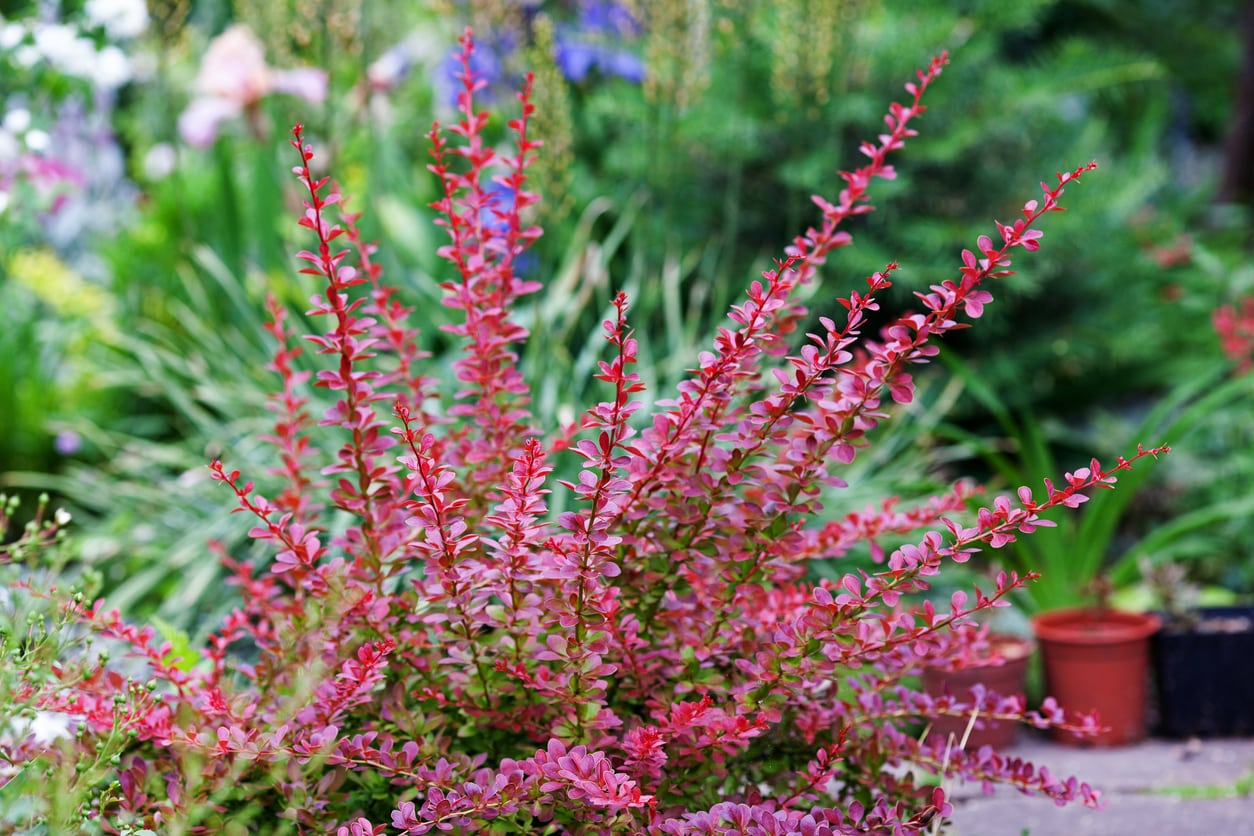
Zone 9 is known for its mild climate, making it an ideal location for a wide variety of plants. Many of these plants are popular choices for landscaping due to their beauty, hardiness, and low maintenance requirements. Let’s take a look at some of the most popular Zone 9 plants for landscaping:
Zone 9 plants can be categorized into different types based on their growth habit and appearance. These categories include shrubs, trees, perennials, and annuals. Each category offers a unique set of options for landscapers and homeowners to choose from, depending on their specific needs and preferences.
Shrubs
- Bougainvillea: This vibrant shrub is known for its colorful bracts, which come in a range of colors including pink, purple, red, and orange. Bougainvillea is a fast-growing plant that can quickly cover trellises or walls, making it a popular choice for vertical gardening.
- Hibiscus: Another popular flowering shrub, hibiscus produces large, showy flowers in a variety of colors. Hibiscus is a relatively low-maintenance plant that prefers full sun to partial shade and well-drained soil.
- Oleander: Oleander is a drought-tolerant shrub that produces clusters of fragrant flowers in shades of pink, white, or yellow. It is a fast-growing plant that can reach heights of up to 20 feet.
Design Considerations for Zone 9 Landscapes: Best Zone 9 Plants

Landscaping in Zone 9 presents unique challenges and opportunities. With warm temperatures and abundant sunshine, gardeners have a wide range of plant options to choose from. However, the region’s dry summers and occasional droughts require careful consideration when selecting and arranging plants.
Plant Selection
When choosing plants for Zone 9 landscapes, it is crucial to select species that are well-adapted to the climate and soil conditions. Drought-tolerant plants, such as succulents, cacti, and Mediterranean natives, are ideal for areas with limited water availability. Native plants are also well-suited to the region’s climate and require minimal maintenance.
In addition to drought tolerance, consider the soil conditions in your landscape. Zone 9 soils vary widely in texture and pH, so it is important to choose plants that are tolerant of your specific soil type. For example, acid-loving plants, such as azaleas and rhododendrons, thrive in soils with a low pH, while alkaline-tolerant plants, such as bougainvillea and oleander, prefer soils with a higher pH.
Visual Appeal and Functionality
Beyond plant selection, there are several design considerations to create visually appealing and functional landscapes in Zone 9. One key aspect is water conservation. By incorporating drought-tolerant plants, using efficient irrigation systems, and implementing water-saving techniques, such as mulching and rainwater harvesting, you can create a sustainable landscape that minimizes water consumption.
Another important consideration is creating a balance between sun and shade. Zone 9 landscapes often receive intense sunlight, so it is important to provide shaded areas for both plants and people. Deciduous trees, shrubs, and pergolas can be used to create dappled shade, while evergreen trees and hedges can provide more permanent shade. This balance of sun and shade will help to extend the enjoyment of your outdoor space throughout the year.
Maintenance and Care for Zone 9 Plants

Maintaining the health and beauty of plants in Zone 9 requires specific care practices that align with the region’s unique climate. Proper watering, fertilizing, pruning, and pest control techniques are essential to ensure optimal growth and longevity of plants.
Watering
Zone 9 plants require regular watering, especially during hot and dry periods. The frequency of watering varies depending on the plant species, soil type, and season. As a general rule, plants should be watered deeply and infrequently, allowing the soil to dry out slightly between watering sessions. This promotes deep root growth and prevents waterlogging, which can lead to root rot.
Fertilizing
Fertilizing is crucial for providing plants with essential nutrients for healthy growth and flowering. Zone 9 plants should be fertilized regularly during the growing season, typically from spring to fall. Use a balanced fertilizer that provides nitrogen, phosphorus, and potassium, and follow the manufacturer’s instructions for application rates and frequency.
Pruning
Pruning is an important practice for maintaining the shape and size of plants, removing dead or diseased branches, and encouraging new growth. Different plant species have specific pruning requirements, so it’s essential to research the proper techniques for each plant. In general, pruning should be done during the dormant season or early spring, before new growth begins.
Pest Control, Best zone 9 plants
Zone 9 plants are susceptible to various pests, including aphids, mealybugs, and spider mites. Integrated pest management (IPM) practices are recommended to control pests while minimizing the use of chemical pesticides. IPM involves using a combination of biological, cultural, and chemical control methods to manage pests effectively. Biological control involves introducing natural predators or parasites to control pests, while cultural control includes practices such as crop rotation and sanitation to reduce pest populations. Chemical control should be used as a last resort, and only when other methods have failed.
By following these maintenance and care practices, gardeners in Zone 9 can ensure the health and longevity of their plants, creating beautiful and thriving landscapes.