Big leaf hosta plants, with their captivating foliage and graceful stature, take center stage in the world of gardening. Their unique charm and versatility make them a beloved choice for landscapers and homeowners alike.
These plants boast oversized leaves that come in a stunning array of colors, from vibrant greens to variegated hues. Their distinctive veins and intricate patterns create a captivating visual spectacle that adds depth and texture to any garden.
Plant Characteristics
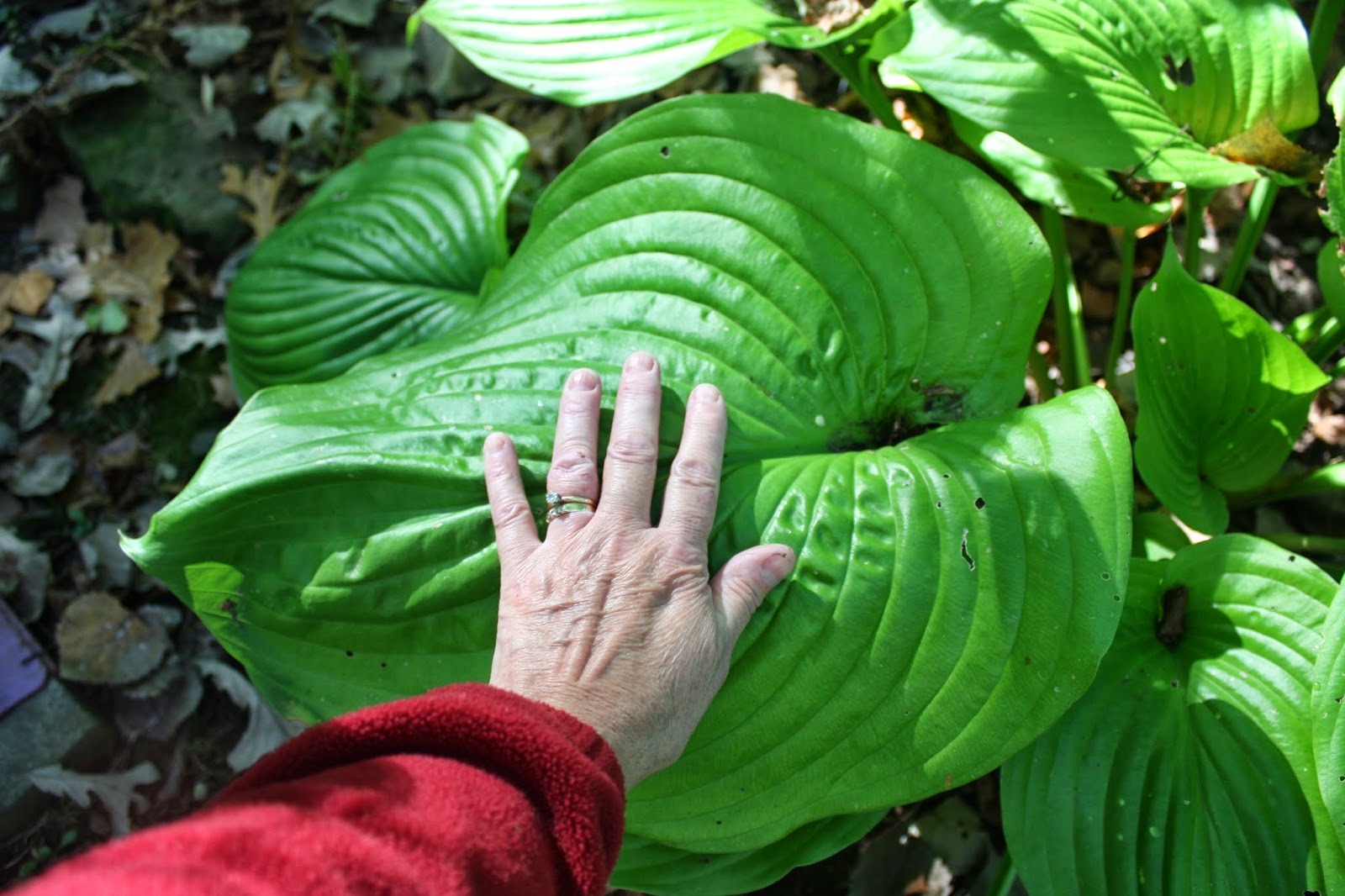
Big leaf hostas are prized for their impressive foliage, which can range in size from medium to giant. These plants typically feature large, heart-shaped leaves with prominent veins and a puckered texture. The leaves come in a wide array of colors, including shades of green, blue, yellow, and variegated patterns.
One of the unique features that distinguish big leaf hostas from other hosta varieties is their size. The leaves of these plants can grow up to 2 feet long and 1 foot wide, making them a truly eye-catching addition to any garden.
Growing Conditions
Big leaf hostas prefer to grow in moist, well-drained soil that is rich in organic matter. They can tolerate a wide range of soil pH levels, but they prefer slightly acidic soil with a pH between 6.0 and 7.0.
These plants can grow in full sun or partial shade, but they prefer partial shade, especially in hot climates. In full sun, the leaves of big leaf hostas can scorch, so it is important to provide them with some protection from the afternoon sun.
Big leaf hostas are relatively drought-tolerant, but they will produce the best foliage if they are watered regularly, especially during hot, dry weather.
Cultivation and Care

Cultivating and caring for big leaf hostas is relatively straightforward, ensuring they thrive in your garden. Here are some key considerations:
Planting and Transplanting
When planting or transplanting big leaf hostas, choose a site with well-drained soil and partial to full shade. Dig a hole twice the width of the root ball and deep enough to accommodate the entire root system. Gently loosen the roots before planting and backfill the hole with a mixture of compost and soil. Water deeply after planting.
Watering
Big leaf hostas prefer moist soil, especially during hot, dry weather. Water deeply and regularly, allowing the soil to dry out slightly between waterings. Avoid overwatering, as this can lead to root rot.
Fertilizing
Fertilize big leaf hostas in the spring with a balanced fertilizer. Use a slow-release fertilizer to provide nutrients over an extended period. Avoid over-fertilizing, as this can damage the plants.
Mulching
Mulching around big leaf hostas helps retain moisture, suppress weeds, and regulate soil temperature. Use a layer of organic mulch, such as shredded bark or compost, around the plants, keeping it away from the stems to prevent rot.
Common Pests and Diseases, Big leaf hosta plants
Big leaf hostas are generally pest-resistant, but they can be affected by some common pests and diseases. These include:
- Slugs and snails: These pests feed on the leaves of hostas, leaving behind unsightly holes. Control them using bait or traps.
- Aphids: These small, soft-bodied insects suck the sap from hostas, causing stunted growth and yellowing leaves. Control them with insecticidal soap or neem oil.
- Hosta virus X (HVX): This viral disease causes yellow or white streaks on the leaves of hostas. There is no cure for HVX, but infected plants should be removed and destroyed to prevent its spread.
Landscape Uses and Design: Big Leaf Hosta Plants
Big leaf hostas are versatile plants that offer a range of landscaping possibilities. Their bold foliage and stately presence make them ideal for various applications, from groundcovers to borders and focal points.
As groundcovers, big leaf hostas create a lush and verdant carpet beneath trees or in shady areas. Their large leaves effectively suppress weeds while adding texture and visual interest to the landscape. In borders, they provide a dramatic backdrop for smaller plants, creating a layered effect. Their foliage contrasts beautifully with ornamental grasses, ferns, and flowering perennials.
Focal Points
Big leaf hostas can also serve as stunning focal points in the landscape. Their large, eye-catching leaves command attention and add a touch of grandeur to any garden. When planted in groups or as specimens, they create a bold statement that draws the eye and adds a sense of drama.
Companion Plants
To enhance the visual appeal of big leaf hostas, consider pairing them with complementary plants. Ferns, such as maidenhair fern or Japanese painted fern, add a delicate touch and create a harmonious woodland-inspired setting. Ornamental grasses, like blue fescue or variegated Japanese sedge, provide a contrasting texture and movement to the landscape. Flowering perennials, such as astilbe, coral bells, or bleeding heart, add pops of color and extend the season of interest.
Design Tips
When designing landscapes with big leaf hostas, consider the following tips:
- Color Combinations: Experiment with different varieties of big leaf hostas to create stunning color combinations. Green, blue, yellow, and variegated hostas offer a wide range of hues to complement any landscape.
- Textures: Combine hostas with plants of varying textures to add depth and interest. Smooth hosta leaves contrast beautifully with the rough texture of ferns or the feathery foliage of ornamental grasses.
- Scale: Consider the scale of the hostas in relation to the surrounding plants. Large leaf hostas can dominate smaller plants, so use them sparingly in smaller spaces. In larger landscapes, they can create a dramatic effect when planted in groups.