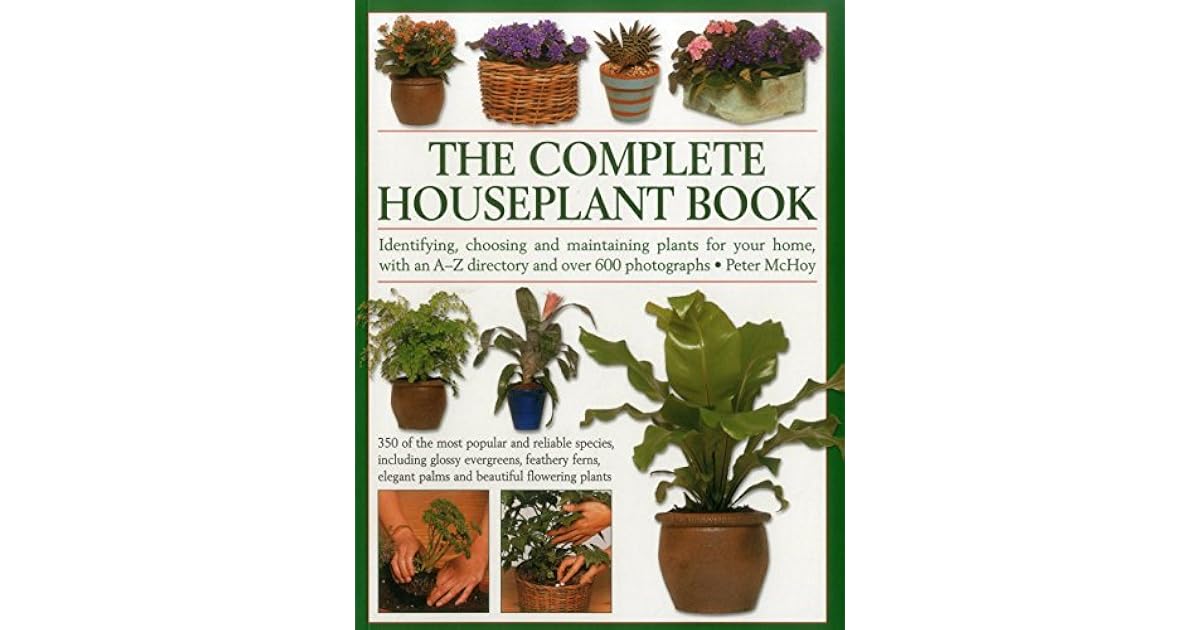
Book on house plants introduces a comprehensive guide to the captivating world of indoor greenery, empowering you with the knowledge to transform your living spaces into vibrant oases. This book provides an in-depth exploration of various houseplant species, their unique benefits, and tailored care requirements, ensuring your leafy companions thrive under your nurturing touch.
Beyond aesthetics, this book delves into the principles of interior design, guiding you on how to harness the power of plants to create distinct ambiances and elevate the atmosphere of your home. From modern to traditional and bohemian styles, you’ll discover how to seamlessly integrate plants into your decor, creating a harmonious balance between nature and design.
Comprehensive Guide to House Plants: Book On House Plants

Houseplants are a great way to add life and beauty to your home. They can also improve your health and well-being. Studies have shown that exposure to plants can reduce stress, improve mood, and boost creativity.
There are many different types of houseplants, each with its own unique benefits. Some of the most popular types include:
- Peace lily: Peace lilies are known for their ability to remove toxins from the air. They are also easy to care for, making them a great choice for beginners.
- Snake plant: Snake plants are another easy-care plant that is known for its air-purifying abilities. They are also very drought-tolerant, making them a good choice for those who forget to water their plants.
- Spider plant: Spider plants are known for their long, trailing stems that produce baby plants. They are also very easy to care for and can tolerate a wide range of light conditions.
- ZZ plant: ZZ plants are one of the most low-maintenance houseplants available. They can tolerate low light and infrequent watering, making them a great choice for those who don’t have a lot of time to care for plants.
- Fiddle-leaf fig: Fiddle-leaf figs are a popular choice for their large, showy leaves. They are a bit more challenging to care for than some other houseplants, but they are worth the effort if you can provide them with the right conditions.
When choosing houseplants, it is important to consider your lifestyle and preferences. If you are looking for a plant that is easy to care for, there are many low-maintenance options available. If you are looking for a plant that can help improve your health and well-being, there are many air-purifying plants to choose from.
Once you have chosen your houseplants, it is important to provide them with the right care. This includes watering, light, and fertilization.
- Watering: Most houseplants need to be watered regularly, but the frequency will vary depending on the type of plant. Some plants, such as succulents, can tolerate drought conditions, while others, such as ferns, need to be kept moist.
- Light: Most houseplants need bright, indirect light. However, some plants, such as peace lilies, can tolerate low light conditions. If you are not sure how much light your plant needs, it is best to err on the side of caution and give it less light rather than more.
- Fertilization: Houseplants need to be fertilized regularly to provide them with the nutrients they need to grow and thrive. The frequency of fertilization will vary depending on the type of plant and the fertilizer you are using. It is best to follow the instructions on the fertilizer package.
By following these simple tips, you can keep your houseplants healthy and happy for years to come.
Designing with House Plants
Incorporating house plants into interior design is an art form that can transform a space, creating ambiance and enhancing the overall aesthetic. Understanding the principles of interior design and the unique characteristics of plants allows for the creation of harmonious and visually appealing environments.
Creating Moods and Atmospheres
Plants can significantly impact the mood and atmosphere of a room. Lush, tropical plants with large leaves, such as ferns and palms, can evoke a sense of serenity and tranquility. Conversely, succulents and cacti with sharp lines and vibrant colors can add a touch of drama and energy.
Incorporating Plants into Design Styles, Book on house plants
House plants can complement various design styles, from modern to traditional to bohemian. Modern interiors, characterized by clean lines and neutral colors, can benefit from the addition of geometric plants like snake plants or fiddle-leaf figs. Traditional styles, with their rich fabrics and ornate details, pair well with flowering plants like orchids or hydrangeas. Bohemian spaces, known for their eclectic and layered look, can accommodate a wide variety of plants, including trailing vines, macrame hangers, and statement-making trees.
Troubleshooting Common House Plant Problems
House plants can face a variety of problems, including pests, diseases, and nutrient deficiencies. These problems can be caused by a variety of factors, including improper watering, lighting, or fertilization. By understanding the causes of these problems, you can take steps to prevent them from occurring and keep your plants healthy.
Pests
- Aphids are small, soft-bodied insects that feed on the sap of plants. They can cause leaves to turn yellow and drop off, and they can also spread diseases. Aphids can be controlled with insecticidal soap or neem oil.
- Mealybugs are small, white insects that feed on the sap of plants. They can cause leaves to turn yellow and drop off, and they can also produce a sticky substance that attracts ants. Mealybugs can be controlled with insecticidal soap or rubbing alcohol.
- Spider mites are tiny, spider-like creatures that feed on the sap of plants. They can cause leaves to turn yellow and drop off, and they can also produce a fine webbing on the leaves. Spider mites can be controlled with insecticidal soap or neem oil.
Diseases
- Powdery mildew is a fungal disease that causes a white powder to form on the leaves of plants. It can cause leaves to turn yellow and drop off, and it can also stunt the growth of plants. Powdery mildew can be controlled with a fungicide.
- Botrytis blight is a fungal disease that causes brown spots to form on the leaves and stems of plants. It can cause leaves to turn yellow and drop off, and it can also cause stems to rot. Botrytis blight can be controlled with a fungicide.
- Root rot is a fungal disease that causes the roots of plants to rot. It can cause leaves to turn yellow and drop off, and it can also stunt the growth of plants. Root rot can be controlled with a fungicide.
Nutrient Deficiencies
- Nitrogen deficiency causes leaves to turn yellow and drop off. It can also stunt the growth of plants. Nitrogen deficiency can be corrected by fertilizing plants with a fertilizer that contains nitrogen.
- Phosphorus deficiency causes leaves to turn purple or red. It can also stunt the growth of plants. Phosphorus deficiency can be corrected by fertilizing plants with a fertilizer that contains phosphorus.
- Potassium deficiency causes leaves to turn brown and drop off. It can also stunt the growth of plants. Potassium deficiency can be corrected by fertilizing plants with a fertilizer that contains potassium.