Introducing the captivating bunny’s tail plant, a botanical wonder that adds a touch of whimsy to gardens and landscapes. With its distinctive fluffy “tails,” this plant has become a popular choice for home gardeners and enthusiasts alike. Dive into the world of bunny’s tail plant as we explore its cultivation, uses, and the scientific facts that make it a truly remarkable species.
Scientifically classified as Lagurus ovatus, the bunny’s tail plant is a member of the grass family, Poaceae. Its native habitat spans the Mediterranean region, where it thrives in dry, open areas. This charming plant typically grows between 12 to 18 inches in height, showcasing slender, upright stems adorned with soft, feathery flower heads resembling bunny tails.
Overview of Bunny’s Tail Plant

Bunny’s tail plant, scientifically known as Lagurus ovatus, is an annual grass species belonging to the family Poaceae. Native to the Mediterranean region, it has become a popular ornamental plant due to its distinctive and charming appearance.
This grass grows upright, reaching a height of 12-24 inches (30-60 cm). It features narrow, linear leaves that are typically green or blue-green in color. The plant’s most striking characteristic is its fluffy, tail-like inflorescences, which resemble bunny tails. These inflorescences consist of dense clusters of soft, white or cream-colored spikelets that emerge from the top of the stems.
Bunny’s tail plant thrives in well-drained, sandy or loamy soil with a pH range of 6.0 to 7.5. It prefers full sun to partial shade and is drought-tolerant, making it a relatively low-maintenance plant. It can be grown in gardens, containers, or as part of dried flower arrangements.
Cultivation and Care of Bunny’s Tail Plant
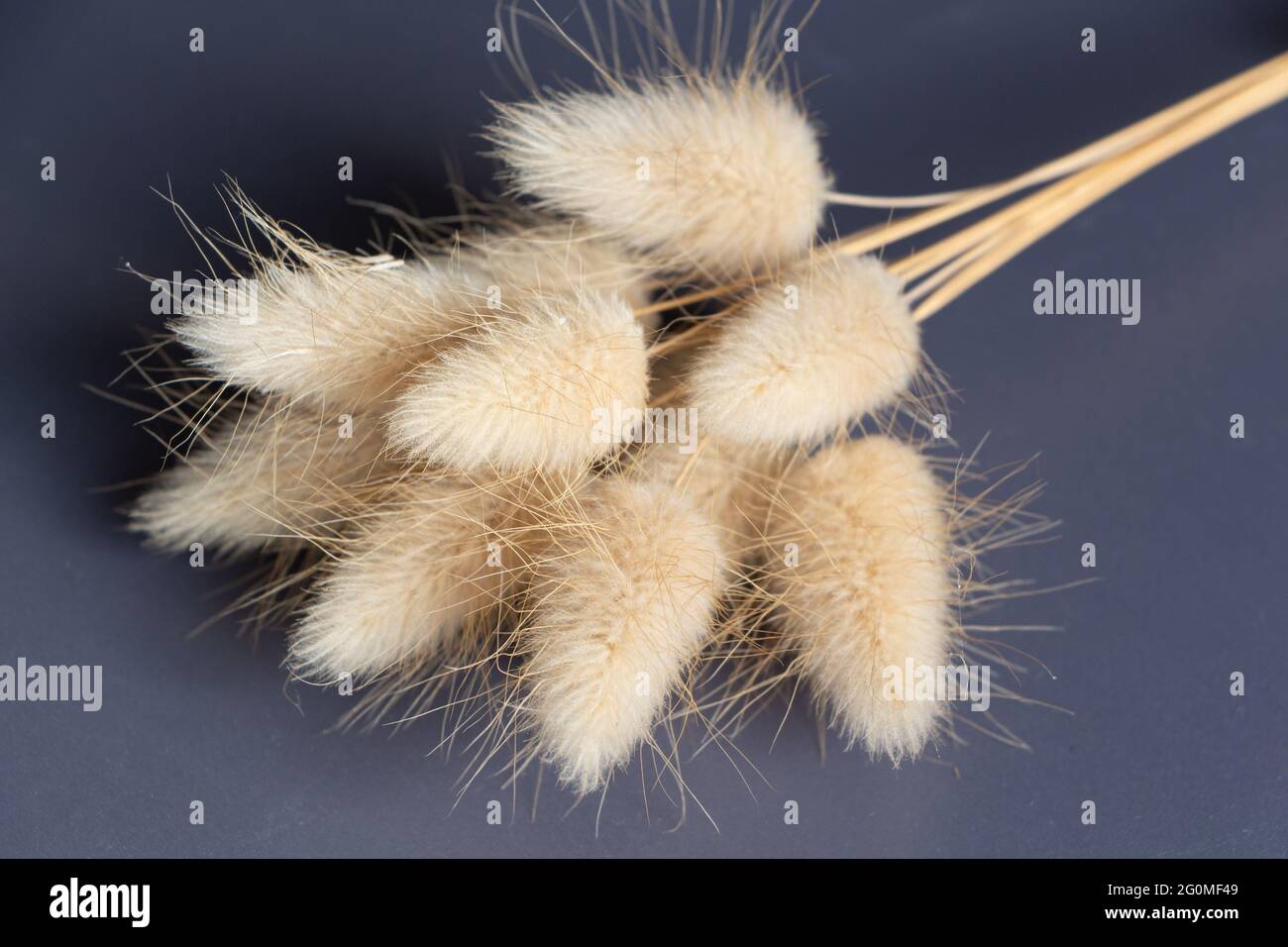
Growing and caring for Bunny’s Tail plants is relatively easy, making them a popular choice for both experienced and novice gardeners. By providing optimal conditions, you can ensure healthy growth and abundant blooms.
Propagation
Bunny’s Tail plants can be propagated through seeds or cuttings. Seed propagation is the most common method, and it can be done indoors or outdoors in warm climates. Cuttings can also be taken from mature plants, but this method is less successful than seed propagation.
Soil Conditions
Bunny’s Tail plants prefer well-drained soil with a pH between 6.0 and 7.0. The soil should be loose and airy, and it should not be allowed to become waterlogged.
Sunlight Requirements
Bunny’s Tail plants require full sun to partial shade. They will tolerate full shade, but they will not bloom as profusely.
Watering Schedule
Bunny’s Tail plants are drought-tolerant, and they should only be watered when the soil is dry to the touch. Overwatering can lead to root rot.
Common Pests and Diseases
Bunny’s Tail plants are generally resistant to pests and diseases. However, they can be susceptible to aphids, mealybugs, and spider mites. These pests can be controlled with insecticidal soap or neem oil.
Uses and Benefits of Bunny’s Tail Plant

The bunny’s tail plant, scientifically known as Lagurus ovatus, offers both aesthetic and practical benefits. Its ornamental value and medicinal properties make it a versatile plant with various applications.
Ornamental Value
The bunny’s tail plant is prized for its striking appearance, adding a touch of elegance to gardens and landscapes. Its fluffy, white flower spikes resemble bunny tails, providing a unique and eye-catching element. The plant is often used in borders, rock gardens, and as a filler in bouquets.
Medicinal Properties, Bunny’s tail plant
Traditional medicine has long recognized the medicinal properties of the bunny’s tail plant. It is believed to have diuretic, anti-inflammatory, and sedative effects. In some cultures, the plant is used to treat urinary tract infections, reduce swelling, and promote relaxation.
Culinary Applications
The young leaves and shoots of the bunny’s tail plant are edible and can be added to salads or used as a garnish. They have a mild, slightly sweet flavor. However, it is important to note that the plant may cause allergic reactions in some individuals.