Cousin It plant seeds offer a unique and captivating opportunity to cultivate a fascinating and distinctive plant species. With its distinctive appearance and remarkable characteristics, the Cousin It plant is a true botanical wonder, inviting exploration into its origins, cultivation, and decorative applications.
Cousin It plants, scientifically known as Tillandsia usneoides, belong to the Bromeliaceae family. These epiphytic plants are native to the tropical and subtropical regions of the Americas, where they thrive in humid environments. Their unique appearance is characterized by long, flowing strands of silvery-green leaves that cascade downwards, giving them a distinctive and ethereal look.
Cousin It Plant Origins

The Cousin It plant, scientifically known as Tillandsia usneoides, belongs to the family Bromeliaceae. This family also includes other popular ornamental plants such as the pineapple and the Spanish moss. Cousin It is an epiphytic plant, meaning it grows on the branches of trees without obtaining nutrients from them. It is native to the tropical and subtropical regions of the Americas, extending from the southeastern United States to Argentina.
Cousin It is characterized by its long, thread-like leaves that can grow up to 10 feet in length. These leaves are covered in tiny scales that help the plant absorb moisture and nutrients from the air and rain. The plant produces small, inconspicuous flowers that are typically white or greenish in color.
Distribution
Cousin It is a widely distributed plant, found in a variety of habitats, including forests, swamps, and even deserts. It is particularly common in the southeastern United States, where it is often seen hanging from the branches of oak and cypress trees.
Unique Characteristics
One of the most unique characteristics of Cousin It is its ability to survive in harsh conditions. It can tolerate drought, heat, and poor soil conditions. This makes it a popular choice for landscaping in areas where other plants may struggle to survive.
Another unique characteristic of Cousin It is its ability to form large, dense colonies. These colonies can provide habitat for a variety of animals, including birds, reptiles, and insects.
Cultivation and Care

Cousin It plants are relatively easy to grow, making them a popular choice for both experienced and novice gardeners. With the right conditions, these plants can thrive and add a unique touch to any indoor or outdoor space.
The key to successfully growing Cousin It plants lies in providing them with the ideal soil conditions, lighting requirements, and watering frequency. By understanding their specific needs, you can create an environment that will allow them to flourish.
Soil Conditions
Cousin It plants prefer well-draining soil that is rich in organic matter. A mixture of peat moss, perlite, and vermiculite is an excellent choice, as it provides both drainage and aeration. The soil should have a pH level between 5.5 and 6.5, which is slightly acidic.
Lighting Requirements
These plants thrive in bright, indirect light. Avoid placing them in direct sunlight, as this can scorch their leaves. East- or west-facing windows are ideal locations for Cousin It plants, as they will receive plenty of light without being exposed to the harsh midday sun.
Watering Frequency
Cousin It plants have moderate watering needs. Allow the top inch of soil to dry out between waterings. Overwatering can lead to root rot, so it’s important to avoid keeping the soil constantly wet. During the growing season, water the plants more frequently, and reduce watering in the winter months when they are dormant.
Propagation, Cousin it plant seeds
Cousin It plants can be propagated by division or by cuttings. Division is the simplest method and involves dividing the plant into smaller sections, each with its own root system. Cuttings can be taken from healthy stems and rooted in water or soil.
Transplanting
When transplanting Cousin It plants, choose a pot that is slightly larger than the root ball. Use a well-draining potting mix and plant the plant at the same depth it was in its previous container. Water the plant thoroughly after transplanting and keep it in a warm, humid environment until it has established itself.
Decorative Uses and Applications: Cousin It Plant Seeds
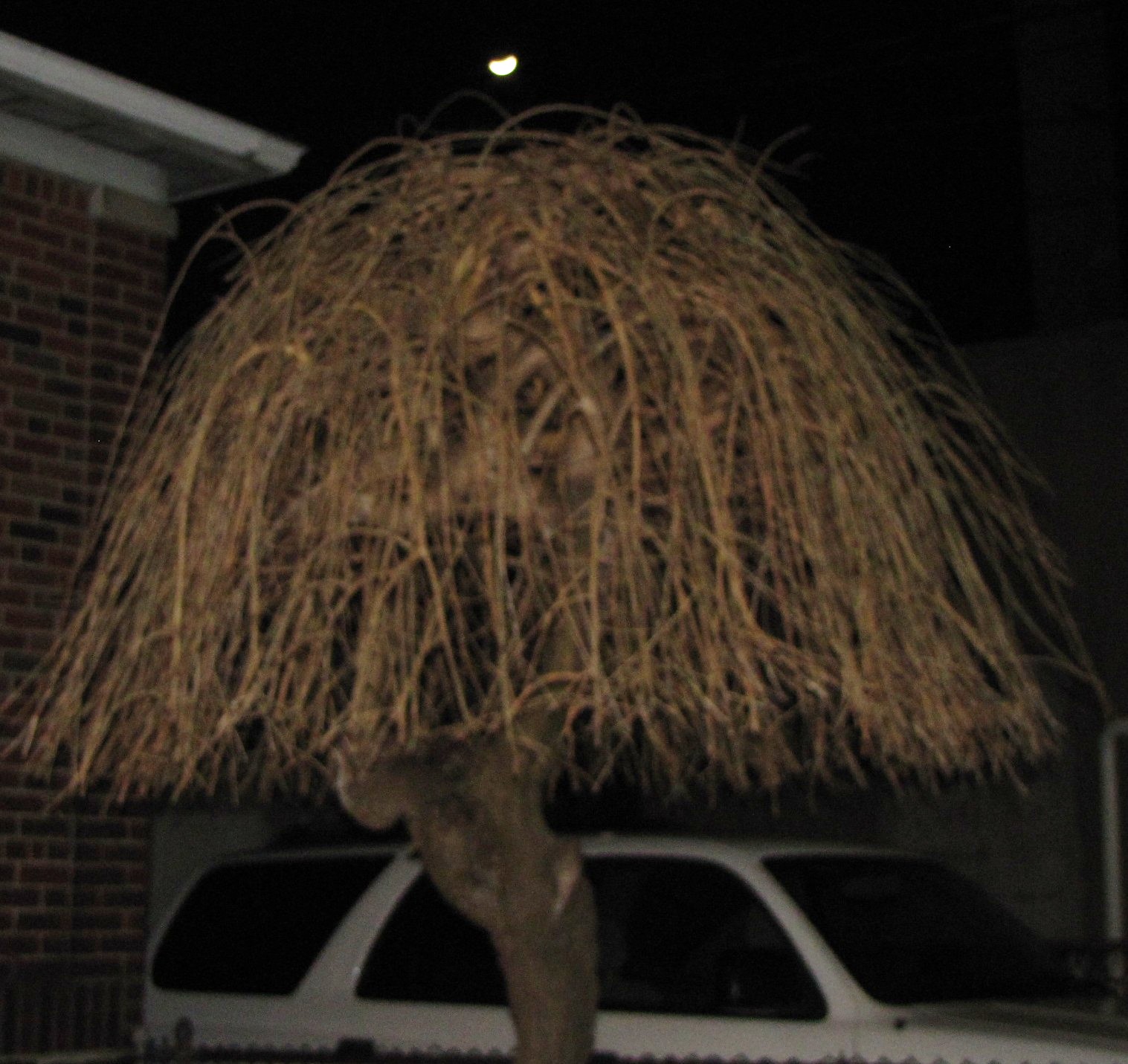
Cousin It plants possess a unique and captivating aesthetic appeal that makes them highly sought after for various decorative purposes. Their cascading, hair-like foliage creates a dramatic and ethereal effect, adding a touch of whimsy and intrigue to any setting.
In home décor, Cousin It plants are often used as statement pieces in living rooms, bedrooms, and entryways. Their cascading foliage can be trained to flow over shelves, creating a lush and verdant display. They can also be placed in hanging baskets or macramé planters, where their tendrils can cascade freely, adding a touch of greenery and movement to the space.
Gardens and Landscaping
In gardens and landscaping projects, Cousin It plants offer a versatile and eye-catching addition. Their ability to thrive in both sun and shade makes them suitable for a wide range of outdoor settings. They can be planted as groundcovers, creating a dense and lush carpet that suppresses weeds and adds visual interest. They can also be used as trailing plants, allowed to cascade over walls, trellises, or arbors, creating a dramatic waterfall effect.
Air Purification and Other Applications
Beyond their aesthetic appeal, Cousin It plants are also known for their potential air-purifying abilities. Studies have shown that they can effectively remove harmful toxins, such as formaldehyde and benzene, from the air. This makes them a valuable addition to indoor environments, where air quality can often be compromised. Additionally, Cousin It plants are relatively low-maintenance and easy to care for, making them an ideal choice for both novice and experienced plant enthusiasts.
