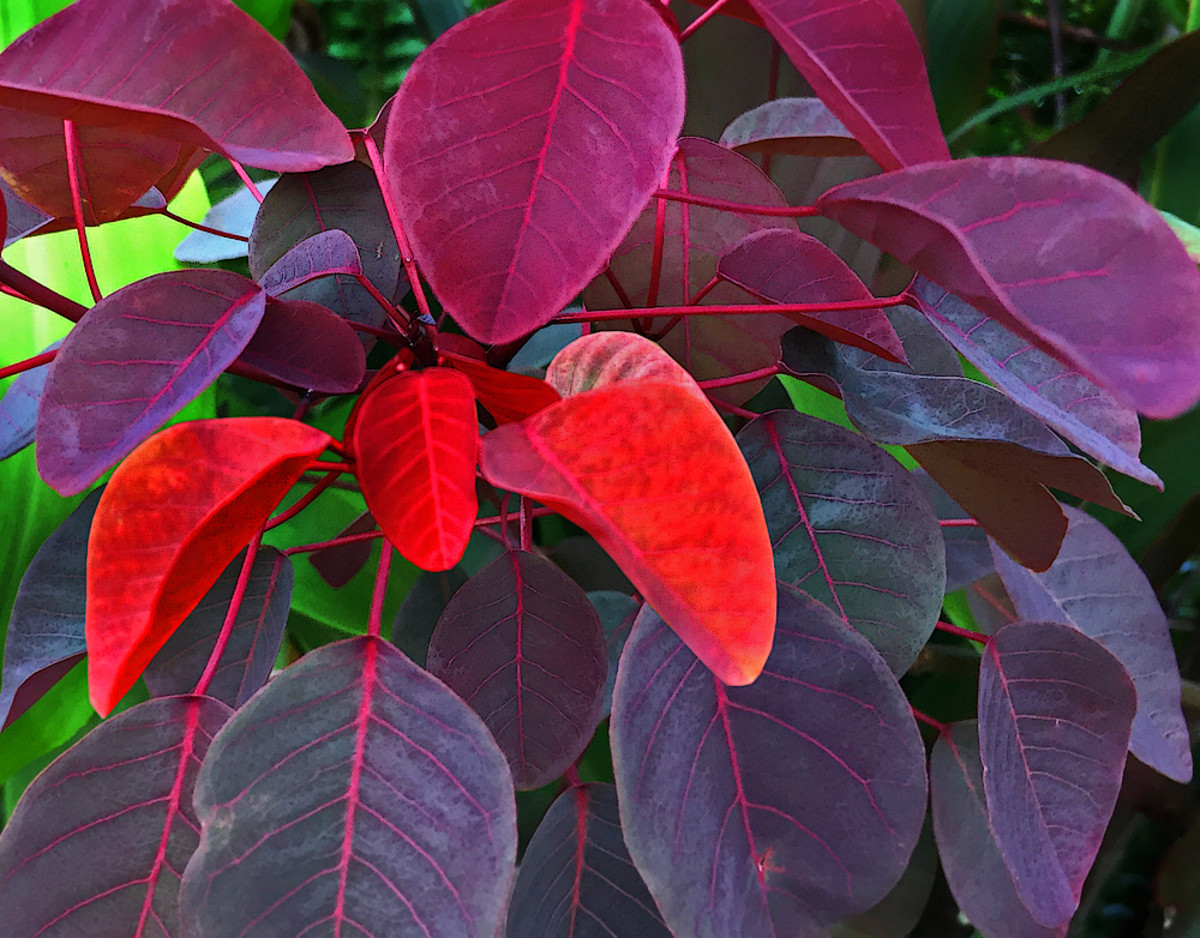
The dark red leaves plant, a botanical marvel, captivates with its deep crimson foliage that adds a touch of drama to any landscape. With its unique characteristics and versatile applications, this plant has earned its place as a favorite among gardeners and nature enthusiasts alike.
From its botanical classification to its cultivation requirements, this guide delves into the fascinating world of the dark red leaves plant, revealing its secrets and inspiring you to incorporate its beauty into your own surroundings.
Botanical Classification and Characteristics

The dark red leaves plant, scientifically classified as Acer palmatum ‘Atropurpureum’, belongs to the family Sapindaceae. This deciduous tree is renowned for its striking foliage, which transforms into vibrant shades of crimson and burgundy during the fall season.
Physically, Acer palmatum ‘Atropurpureum’ exhibits a compact, upright growth habit, reaching heights of 15-20 feet. Its palmate leaves, composed of five to seven deeply lobed segments, showcase serrated edges and a distinctive dark red coloration throughout the growing season.
Leaf Pigmentation, Dark red leaves plant
The deep red hue of the leaves is attributed to the presence of anthocyanins, a type of flavonoid pigment. These pigments accumulate in the vacuoles of leaf cells, absorbing blue and green wavelengths of light while reflecting red wavelengths, resulting in the characteristic dark red appearance.
Environmental Requirements and Cultivation: Dark Red Leaves Plant

The dark red leaves plant thrives in specific environmental conditions to produce its vibrant foliage.
Understanding these requirements is crucial for successful cultivation.
Soil Type
The plant prefers well-drained, acidic soil with a pH range of 5.0 to 6.5.
Avoid heavy or waterlogged soils, as they can lead to root rot.
Sunlight
The plant prefers partial shade to full shade.
Too much direct sunlight can scorch the leaves and cause them to lose their dark red color.
Temperature
The ideal temperature range for the plant is between 55°F and 75°F (13°C and 24°C).
Extreme heat or cold can damage the leaves and stunt growth.
Propagation
The plant can be propagated through cuttings or division.
Cuttings should be taken in the spring or summer and placed in a moist, well-drained potting mix.
Division can be done in the spring or fall by carefully dividing the root ball into several smaller plants.
Watering
Water the plant regularly, especially during hot, dry weather.
Allow the soil to dry out slightly between waterings to prevent root rot.
Fertilizing
Fertilize the plant monthly during the growing season with a balanced fertilizer.
Avoid over-fertilizing, as this can lead to leaf burn.
Uses and Applications
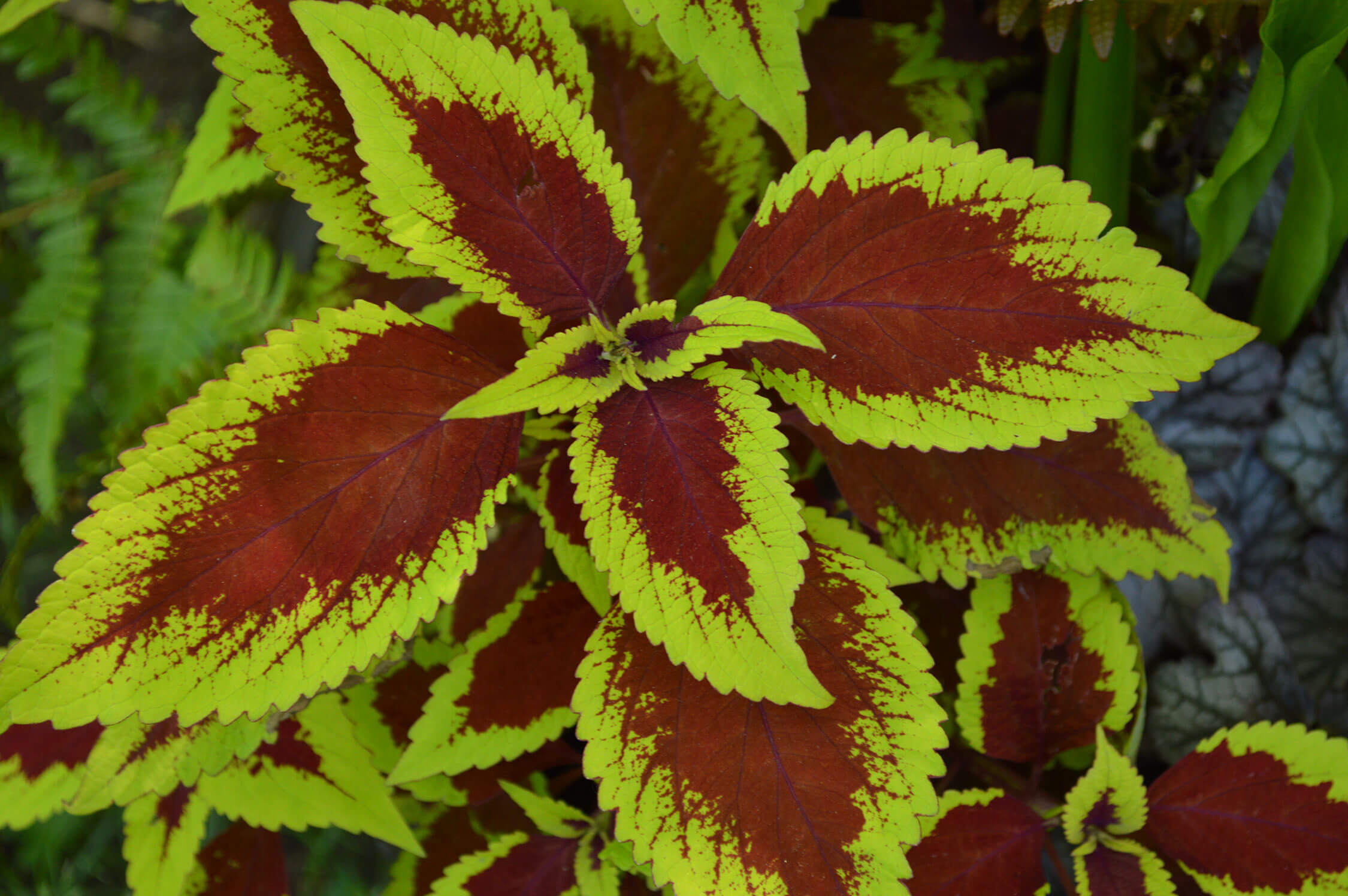
Beyond its ornamental charm, the dark red leaves plant boasts a range of practical applications, spanning medicinal, industrial, and commercial domains.
In the realm of medicine, the plant has gained recognition for its potential therapeutic properties. Scientific studies have shed light on its anti-inflammatory and antioxidant effects, suggesting its potential use in treating conditions such as arthritis and oxidative stress-related ailments.
Ornamental Uses
The dark red leaves plant has long been prized for its striking foliage, making it a popular choice for gardens, landscapes, and indoor décor. Its deep burgundy leaves create a dramatic contrast against other plants, adding depth and interest to any setting.
Industrial and Commercial Applications
The plant’s unique pigments have also garnered attention in industrial and commercial applications. The leaves contain anthocyanins, natural pigments responsible for their vibrant color. These pigments have been explored for use in dyes and pigments, offering a sustainable and eco-friendly alternative to synthetic counterparts.