Dow Freeport Plant A, a cornerstone of the global chemical industry, stands as a testament to innovation, sustainability, and industrial prowess. Nestled along the Gulf Coast of Texas, this sprawling facility plays a pivotal role in shaping the world’s chemical landscape.
Since its inception in 1941, Dow Freeport Plant A has grown exponentially, becoming one of the largest and most technologically advanced chemical plants in the world. With a vast footprint spanning over 4,000 acres, the plant employs a workforce of over 3,000 skilled professionals.
Dow Freeport Plant

The Dow Freeport Plant, located in Freeport, Texas, is one of the largest chemical plants in the world. It is owned and operated by Dow Chemical Company, a global leader in the chemical industry.
Established in 1941, the Dow Freeport Plant has played a significant role in the development of the petrochemical industry in the United States. The plant produces a wide range of chemicals, including ethylene, propylene, and polyethylene, which are used in the manufacturing of plastics, fertilizers, and other products.
Plant Operations, Dow freeport plant a
The Dow Freeport Plant is a complex and integrated facility that uses a variety of chemical processes to produce its products. The plant’s operations are divided into several units, each of which is responsible for a specific stage of the production process.
The plant’s ethylene unit is the largest in the world, with a capacity of over 4 billion pounds per year. Ethylene is a key feedstock for the production of polyethylene, which is used in the manufacturing of plastic bags, bottles, and other products.
The plant’s propylene unit is also one of the largest in the world, with a capacity of over 2 billion pounds per year. Propylene is used in the production of polypropylene, which is used in the manufacturing of automotive parts, appliances, and other products.
The Dow Freeport Plant is a major supplier of chemicals to the global market. The plant’s products are used in a wide range of industries, including automotive, construction, and packaging.
Products and Innovations
The Dow Freeport Plant manufactures a diverse range of products that cater to various industries, including automotive, construction, packaging, and consumer goods.
One of the key products produced at the plant is polyethylene, a versatile plastic material used in the production of films, bottles, pipes, and other applications. The plant also produces polypropylene, a durable plastic material known for its strength and resistance to chemicals.
Recent Innovations and Technological Advancements
The Dow Freeport Plant is at the forefront of innovation, continuously investing in research and development to enhance its products and processes.
A notable innovation is the development of advanced polyethylene grades, which offer improved performance characteristics such as higher strength, flexibility, and resistance to environmental stress. These advanced grades have found applications in demanding industries such as automotive and packaging.
Impact on the Industry
The innovations at the Dow Freeport Plant have had a significant impact on the industry.
The advanced polyethylene grades have enabled the development of lighter and more durable automotive parts, contributing to improved fuel efficiency and reduced emissions. In the packaging industry, these grades have allowed for the production of thinner and stronger films, reducing material usage and waste.
Sustainability and Environmental Impact: Dow Freeport Plant A
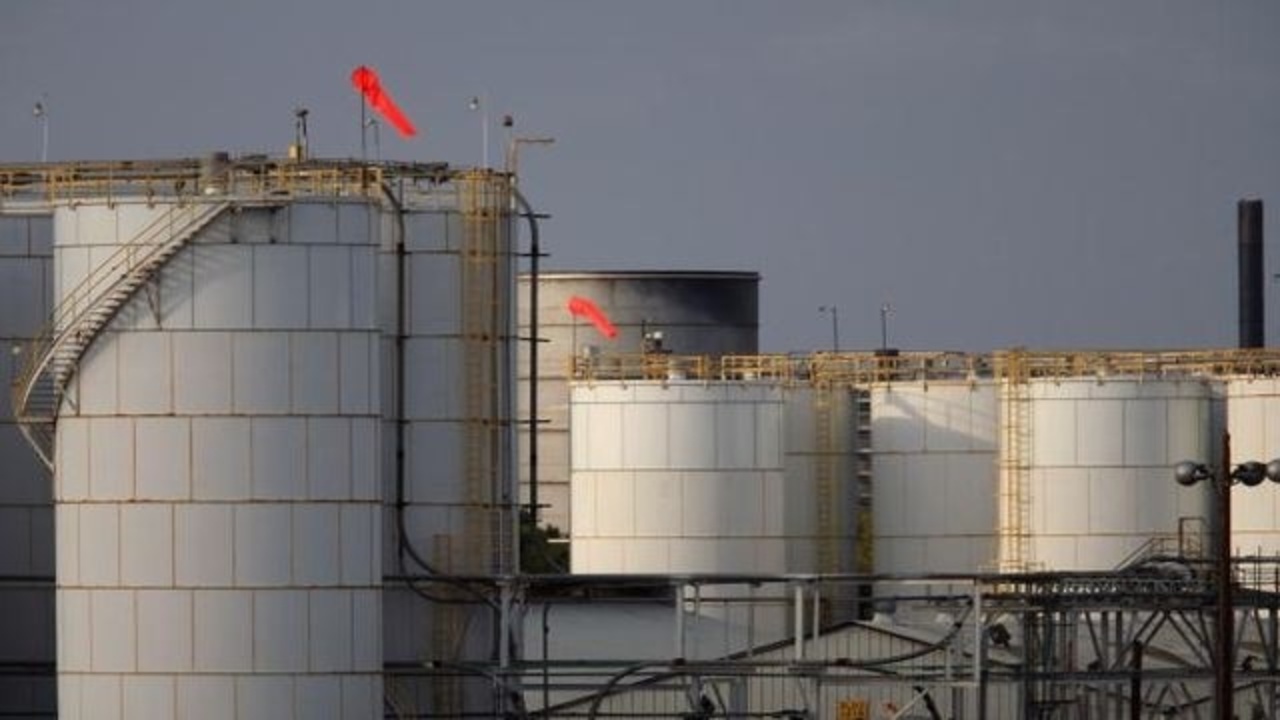
Dow Freeport Plant is dedicated to sustainable practices and minimizing its environmental impact. The plant has implemented various initiatives to reduce emissions, conserve resources, and promote sustainability throughout its operations.
One of the key initiatives is the reduction of greenhouse gas emissions. The plant has invested in energy-efficient technologies and processes to lower its carbon footprint. It has also transitioned to renewable energy sources, such as solar and wind power, to further reduce its reliance on fossil fuels.
Waste Reduction and Recycling
The plant has implemented comprehensive waste management programs to minimize waste generation and promote recycling. It has established partnerships with local waste management companies to ensure proper disposal and recycling of waste materials. The plant also encourages employees to reduce waste through initiatives such as waste audits and employee training.
Water Conservation
Water conservation is a critical aspect of the plant’s sustainability efforts. The plant has implemented water-saving technologies, such as low-flow fixtures and cooling systems, to reduce water consumption. It also monitors water usage closely and identifies areas for improvement.
Environmental Monitoring and Reporting
The plant conducts regular environmental monitoring to assess its impact on the surrounding ecosystem. It monitors air and water quality, as well as noise levels, to ensure compliance with environmental regulations. The plant also publishes an annual sustainability report that provides transparent information about its environmental performance.
These initiatives have contributed significantly to the plant’s overall sustainability. The plant has reduced its greenhouse gas emissions, waste generation, and water consumption while maintaining high production standards. Its commitment to sustainability has earned it recognition as a leader in environmental stewardship within the industry.