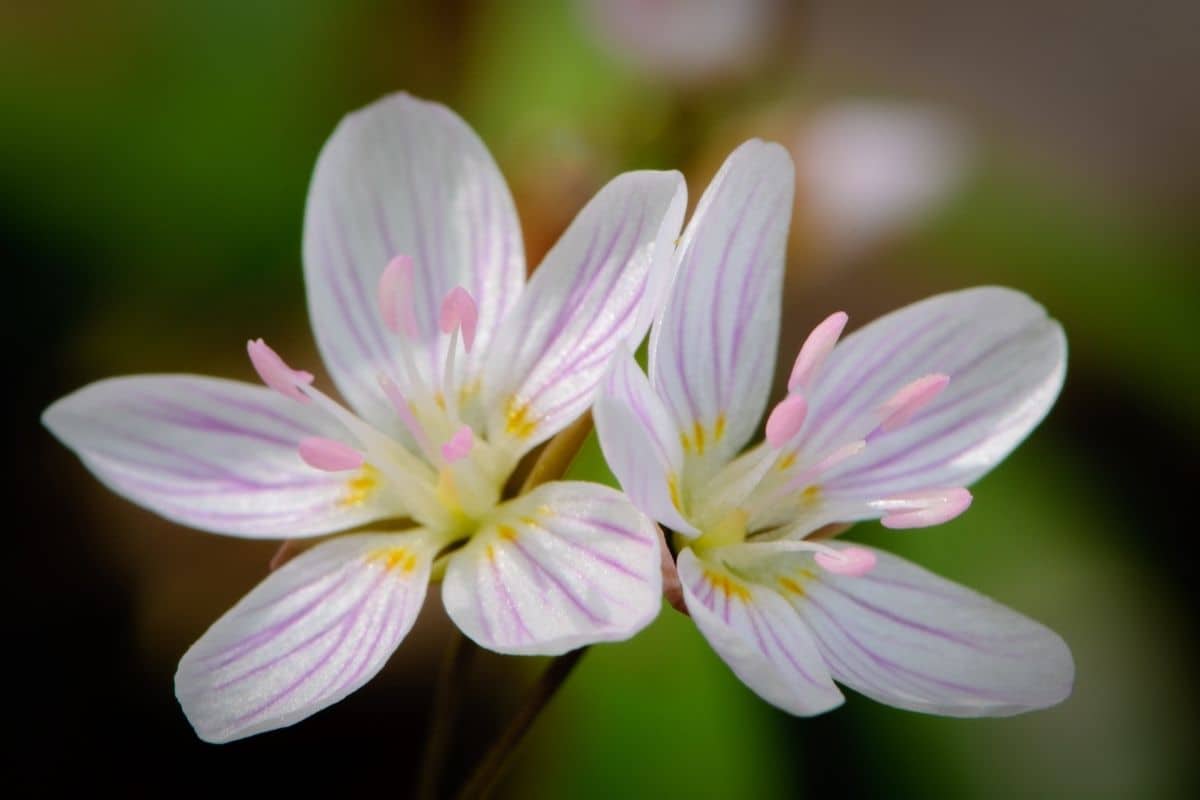
Edible plants in nj – Welcome to the world of edible plants in New Jersey! From the lush forests to the vibrant meadows, the Garden State is home to a diverse array of plants that can provide nourishment and culinary delights. Join us as we embark on a journey to identify, explore, and responsibly enjoy these hidden treasures.
Our comprehensive guide will equip you with the knowledge and skills to identify edible plants with confidence, understand their nutritional value, and incorporate them into your diet. We’ll also delve into ethical foraging practices to ensure the preservation of these precious resources for generations to come.
Plant Identification
New Jersey boasts a diverse array of edible plants, each offering unique flavors and nutritional benefits. From the vibrant meadows to the dense forests, these plants can be identified by their distinct physical characteristics, habitat preferences, and seasonal availability.
Common Edible Plants in New Jersey
The following list provides a comprehensive overview of some of the most common edible plants found in New Jersey, along with their key identification features and availability:
- Common Dandelion (Taraxacum officinale):
- Physical Characteristics: Low-growing plant with deeply lobed leaves, yellow flower heads, and a milky sap.
- Habitat: Lawns, fields, and roadsides.
- Seasonality: Spring to fall.
- Lamb’s Quarters (Chenopodium album):
- Physical Characteristics: Upright plant with triangular-shaped leaves covered in a white powder, inconspicuous flowers, and small, black seeds.
- Habitat: Waste areas, gardens, and disturbed soil.
- Seasonality: Summer to fall.
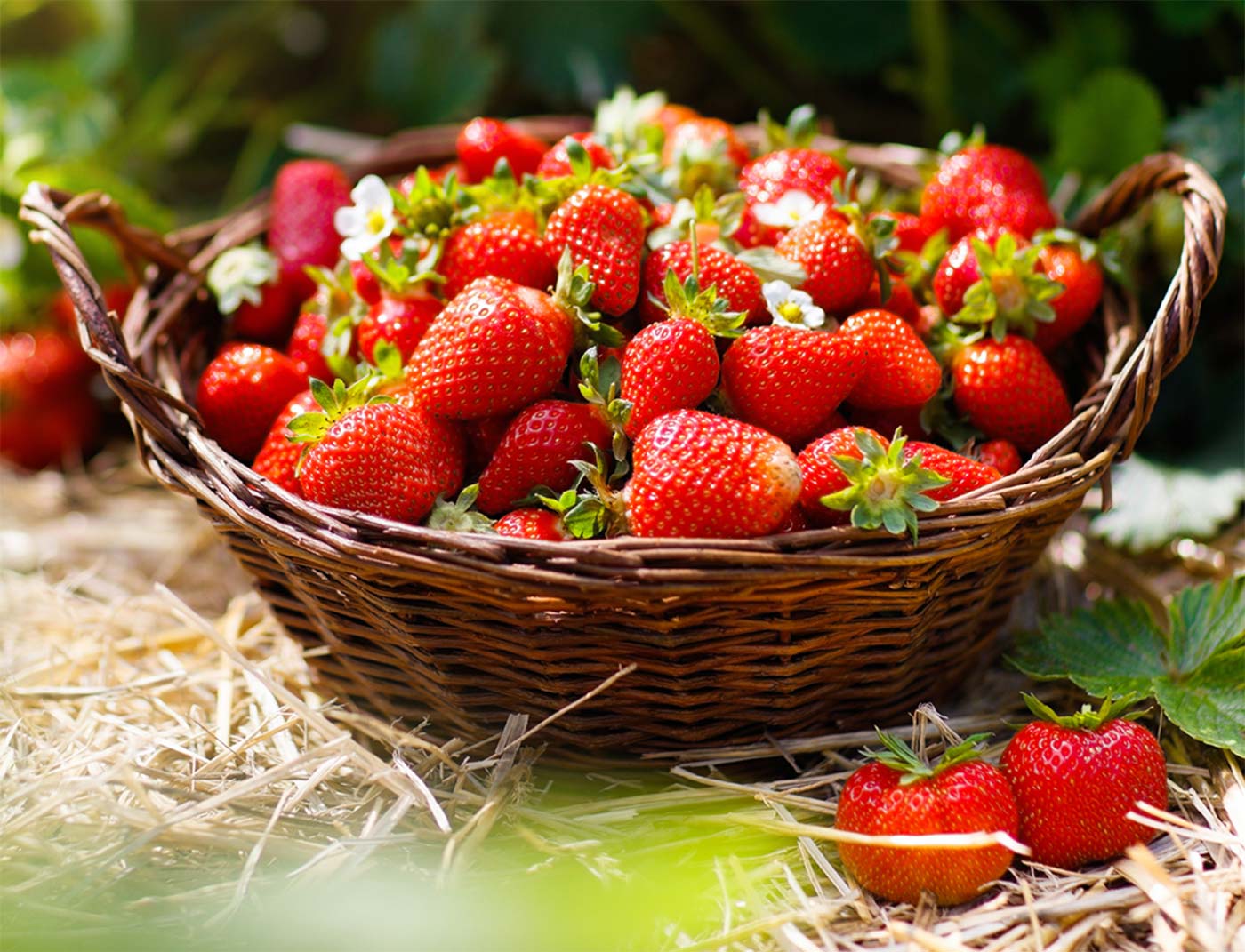
- Wild Strawberry (Fragaria virginiana):
- Physical Characteristics: Low-growing plant with trifoliate leaves, white flowers, and small, red, juicy berries.
- Habitat: Forests, meadows, and open areas.
- Seasonality: Late spring to early summer.
- Chickweed (Stellaria media):
- Physical Characteristics: Low-growing plant with small, oval-shaped leaves, white flowers, and delicate stems.
- Habitat: Gardens, lawns, and moist areas.
- Seasonality: Spring to fall.
- Cattails (Typha latifolia):
- Physical Characteristics: Tall, reed-like plant with long, narrow leaves, brown flower spikes, and fluffy seed heads.
- Habitat: Marshes, swamps, and shallow waters.
- Seasonality: Summer to fall.
Nutritional Value and Culinary Uses

Edible plants in New Jersey offer a wide range of nutritional benefits. These plants are rich in vitamins, minerals, antioxidants, and fiber, making them valuable additions to a healthy diet.
For example, fiddleheads, the young fronds of ferns, are a good source of vitamins A, C, and K, as well as iron and potassium. They can be sautéed, boiled, or steamed and added to salads, soups, or stir-fries.
Another edible plant in New Jersey is the common dandelion. The leaves of this plant are high in vitamins A, C, and K, as well as calcium, iron, and potassium. They can be eaten raw in salads, or cooked in soups, stews, or tempura.
Culinary Uses
Edible plants in New Jersey can be incorporated into a variety of dishes. Some common culinary uses include:
- Using fiddleheads as a side dish or in salads
- Adding dandelion greens to soups, stews, or tempura
- Using purslane as a salad green or in stir-fries
- Cooking daylilies in soups or stir-fries
- Using wood sorrel as a salad green or in sauces
By incorporating these edible plants into your diet, you can enjoy their nutritional benefits and add variety to your meals.
Foraging and Safety Considerations: Edible Plants In Nj

When foraging for edible plants in New Jersey, it is crucial to prioritize ethical and sustainable practices to ensure the preservation of these valuable resources. This involves respecting the environment, avoiding overharvesting, and ensuring the health of plant populations.
Before embarking on a foraging expedition, it is essential to acquire comprehensive knowledge of the plants you intend to gather. Misidentification can lead to the consumption of poisonous or harmful species. Additionally, only harvest plants that are abundant and avoid taking more than you need. This allows the plants to regenerate and maintain their populations.
Identification, Edible plants in nj
- Consult reliable field guides or online resources to accurately identify plants.
- Learn to distinguish between edible and poisonous plants, paying attention to key characteristics such as leaf shape, stem color, and flower structure.
- If uncertain about a plant’s identity, do not consume it.
Harvesting
- Harvest only mature plants, leaving young ones to grow and reproduce.
- Take only what you need, leaving enough for other foragers and wildlife.
- Avoid harvesting from areas that have been treated with pesticides or herbicides.
- Use sharp, clean tools to minimize damage to plants.
Respect for the Environment
- Stay on designated trails and avoid trampling vegetation.
- Dispose of waste properly to prevent littering.
- Respect the rights of other foragers and landowners.