Flor de cera planta, a captivating botanical marvel, unveils its secrets in this compelling exploration. From its intriguing physical traits to its therapeutic potential, this plant weaves a tale of nature’s artistry and medicinal wisdom.
With its scientific classification in the genus Hoya and family Apocynaceae, flor de cera planta boasts a unique growth habit and stunning waxy flowers that bloom in abundance during its designated season. Its preferred growing conditions, soil preferences, and sunlight requirements are meticulously detailed, providing a comprehensive guide for cultivation enthusiasts.
Botanical Description of Flor de Cera Planta

Flor de Cera Planta, also known as Hoya carnosa, is a popular succulent plant prized for its waxy, star-shaped flowers and trailing vines. It belongs to the genus Hoya, which includes over 200 species of flowering plants native to tropical and subtropical regions of Asia and Australia.
The plant exhibits a unique growth habit, featuring long, trailing stems that can reach several feet in length. Its leaves are thick, fleshy, and oval-shaped, with a deep green color and a glossy surface. The leaves are arranged in opposite pairs along the stems.
During its blooming season, which typically occurs in the spring and summer months, Flor de Cera Planta produces clusters of star-shaped flowers. These flowers are typically white or pink in color and have a waxy texture that gives the plant its common name. The flowers are fragrant and attract pollinators such as bees and butterflies.
The plant’s scientific classification is as follows:
* Kingdom: Plantae
* Division: Magnoliophyta
* Class: Magnoliopsida
* Order: Gentianales
* Family: Apocynaceae
* Genus: Hoya
* Species: Hoya carnosa
Flor de Cera Planta prefers warm, humid environments with bright, indirect light. It is well-suited for growing in containers or hanging baskets, where its trailing stems can cascade gracefully. The plant requires well-draining soil and moderate watering, allowing the soil to dry out slightly between waterings.
Medicinal and Therapeutic Uses of Flor de Cera Planta
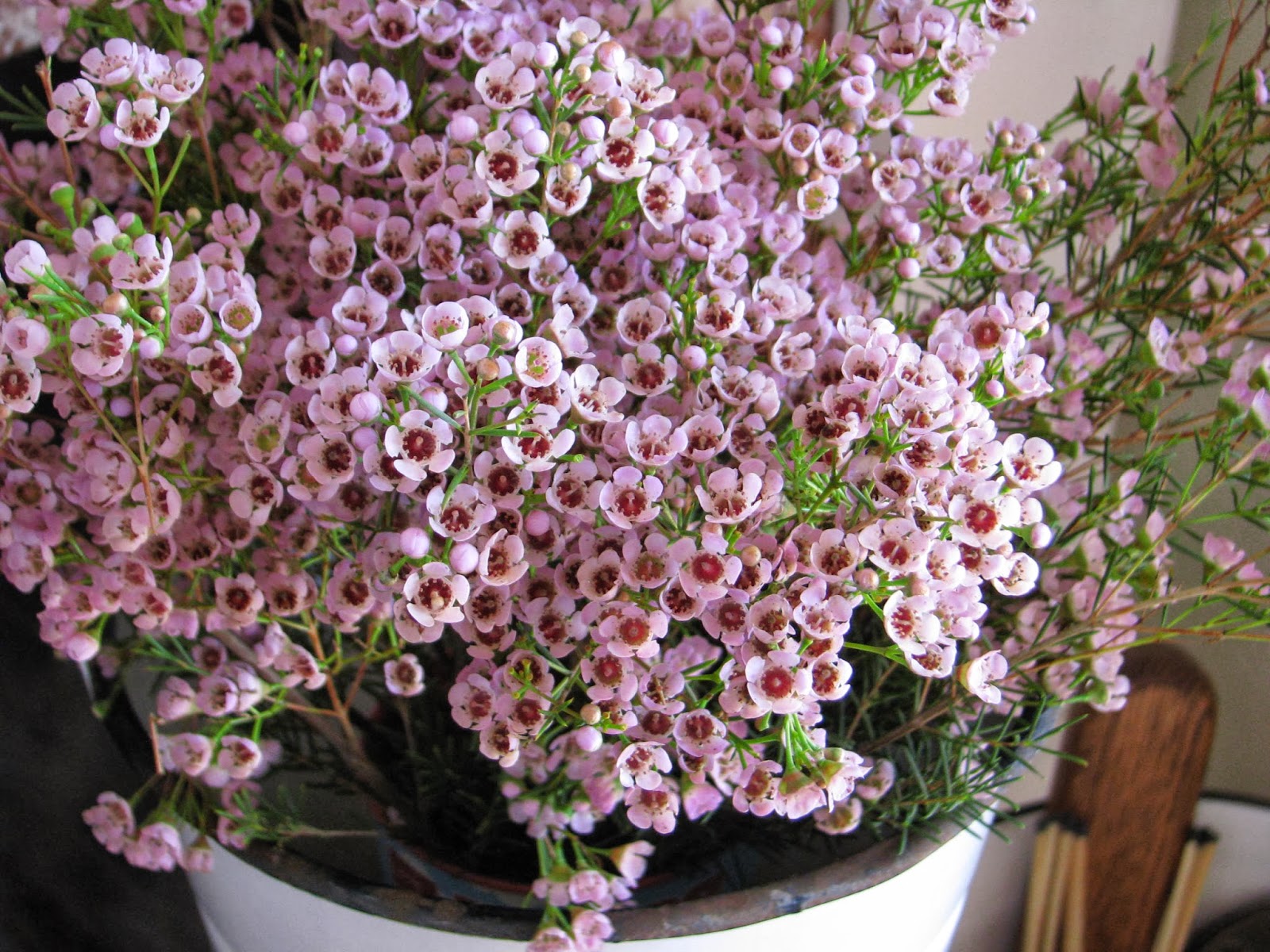
Flor de cera planta (Hoya carnosa) has been traditionally used in various cultures for its medicinal properties. Modern research has supported some of these traditional uses, identifying active compounds with therapeutic potential.
Traditional Medicinal Uses
- Anti-inflammatory: The plant has been used to treat inflammatory conditions, such as arthritis and skin irritation.
- Antioxidant: Flor de cera planta contains antioxidants that protect cells from damage caused by free radicals.
- Antimicrobial: Extracts from the plant have shown antimicrobial activity against bacteria and fungi.
- Antitussive: The plant has been used to suppress coughs and relieve respiratory problems.
Active Compounds and Therapeutic Properties
The medicinal properties of flor de cera planta are attributed to its active compounds, including:
- Triterpenes: These compounds have anti-inflammatory, antioxidant, and antimicrobial properties.
- Saponins: Saponins are known for their expectorant and antitussive effects.
- Flavonoids: Flavonoids possess antioxidant and anti-inflammatory properties.
Scientific Evidence
Scientific studies have supported the traditional medicinal uses of flor de cera planta:
- A study published in the journal “Planta Medica” found that extracts from the plant exhibited anti-inflammatory activity in animal models.
- Another study, published in “Phytotherapy Research,” demonstrated the antimicrobial activity of the plant against several bacterial and fungal strains.
- Research in “Journal of Ethnopharmacology” suggested that the plant’s expectorant properties may be attributed to its saponin content.
These studies provide evidence for the therapeutic potential of flor de cera planta in treating various ailments, supporting its traditional medicinal uses.
Cultivation and Care of Flor de Cera Planta

Growing and caring for Flor de Cera Planta is relatively straightforward, making it a suitable choice for gardeners of all levels. Understanding its preferred conditions and providing proper care will ensure its optimal growth and development.
Soil Type, Flor de cera planta
Flor de Cera Planta thrives in well-drained soil that is rich in organic matter. A mixture of loam, compost, and perlite provides the ideal growing medium. Avoid heavy clay soils, as they can lead to waterlogging and root rot.
Sunlight Requirements
This plant prefers bright, indirect sunlight. Exposing it to direct sunlight for extended periods can scorch its leaves. Consider placing it in a location that receives morning sun and afternoon shade.
Watering Needs
Flor de Cera Planta requires moderate watering. Allow the soil to dry out slightly between waterings, as overwatering can lead to root rot. During the summer months, water more frequently, especially if the plant is exposed to hot, dry conditions.
Propagation
Propagation of Flor de Cera Planta can be done through stem cuttings or leaf cuttings. To propagate using stem cuttings, take a healthy stem and remove the lower leaves. Dip the cut end in rooting hormone and plant it in a well-draining potting mix. Keep the cutting moist and provide bright, indirect sunlight until it develops roots.
Encouraging Healthy Growth
Regularly fertilize Flor de Cera Planta with a balanced fertilizer to promote healthy growth. Avoid overfertilizing, as this can lead to nutrient burn. Additionally, prune any dead or damaged leaves to maintain a healthy appearance.
Potential Pests and Diseases
Flor de Cera Planta is generally resistant to pests and diseases. However, it may occasionally be affected by mealybugs or spider mites. These pests can be controlled using insecticidal soap or neem oil. If the plant shows signs of root rot, such as wilting or yellowing leaves, it is important to repot it in fresh, well-draining soil and reduce watering.