Jack o’lantern plants, renowned for their captivating appearance and cultural significance, offer a fascinating subject to explore. This comprehensive guide delves into the botanical characteristics, cultivation practices, and cultural impact of these remarkable plants, providing a captivating journey into the world of Jack o’lanterns.
With their unique physical attributes and historical associations, Jack o’lantern plants have captivated gardeners, artists, and storytellers for centuries. Join us as we uncover the secrets of these enigmatic plants and discover their enduring allure.
Botanical Characteristics of Jack O’Lantern Plants
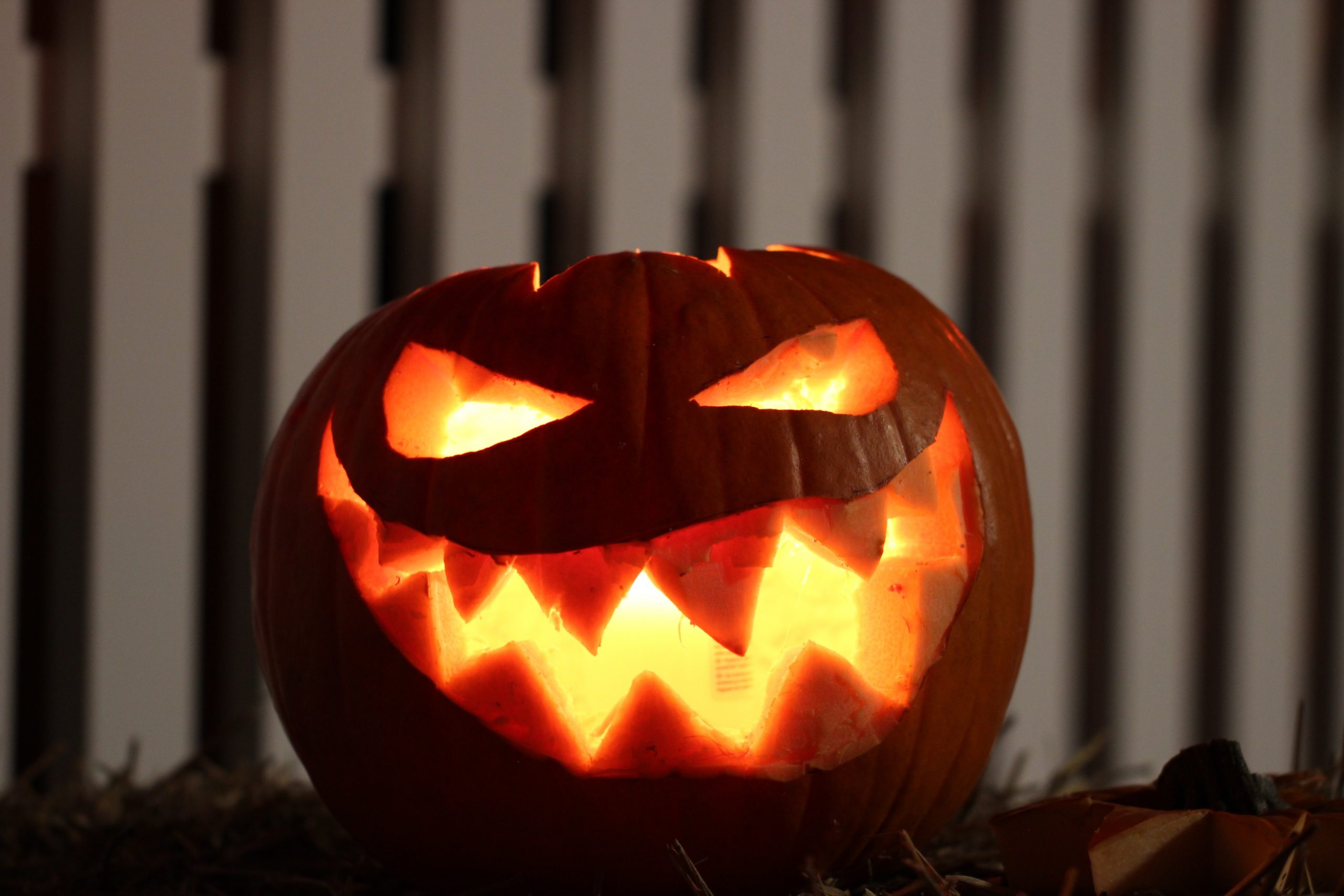
Jack O’Lantern plants, scientifically known as Cucurbita pepo, are members of the Cucurbitaceae family, which also includes pumpkins, squash, and zucchini. They are known for their large, round fruits that are often carved into jack-o’-lanterns during Halloween. Beyond their festive use, Jack O’Lantern plants possess unique botanical characteristics that distinguish them from other members of their family.
Size and Shape
Jack O’Lantern plants are typically large, sprawling vines that can grow up to 15 feet in length. Their stems are thick and hairy, and they have large, deeply lobed leaves that are typically dark green in color. The most distinctive feature of Jack O’Lantern plants is their fruit, which is a large, round berry that can weigh up to 20 pounds. The fruit is typically orange or yellow in color, and it has a hard, ribbed rind.
Leaves
The leaves of Jack O’Lantern plants are large and deeply lobed, with 5 to 7 lobes on each side. The lobes are typically rounded or pointed, and they have serrated edges. The leaves are dark green in color, and they are covered with fine hairs. The leaves are arranged alternately on the stem, and they are attached by long petioles.
Stems
The stems of Jack O’Lantern plants are thick and hairy, and they can grow up to 15 feet in length. The stems are green in color, and they are covered with small, white hairs. The stems are strong and flexible, and they are able to support the weight of the large fruits.
Flowers
Jack O’Lantern plants produce both male and female flowers. The male flowers are typically larger than the female flowers, and they have long, slender stalks. The female flowers are smaller than the male flowers, and they have short, thick stalks. The flowers are yellow in color, and they have five petals. The male flowers have five stamens, and the female flowers have a single pistil.
Cultivation and Care of Jack O’Lantern Plants
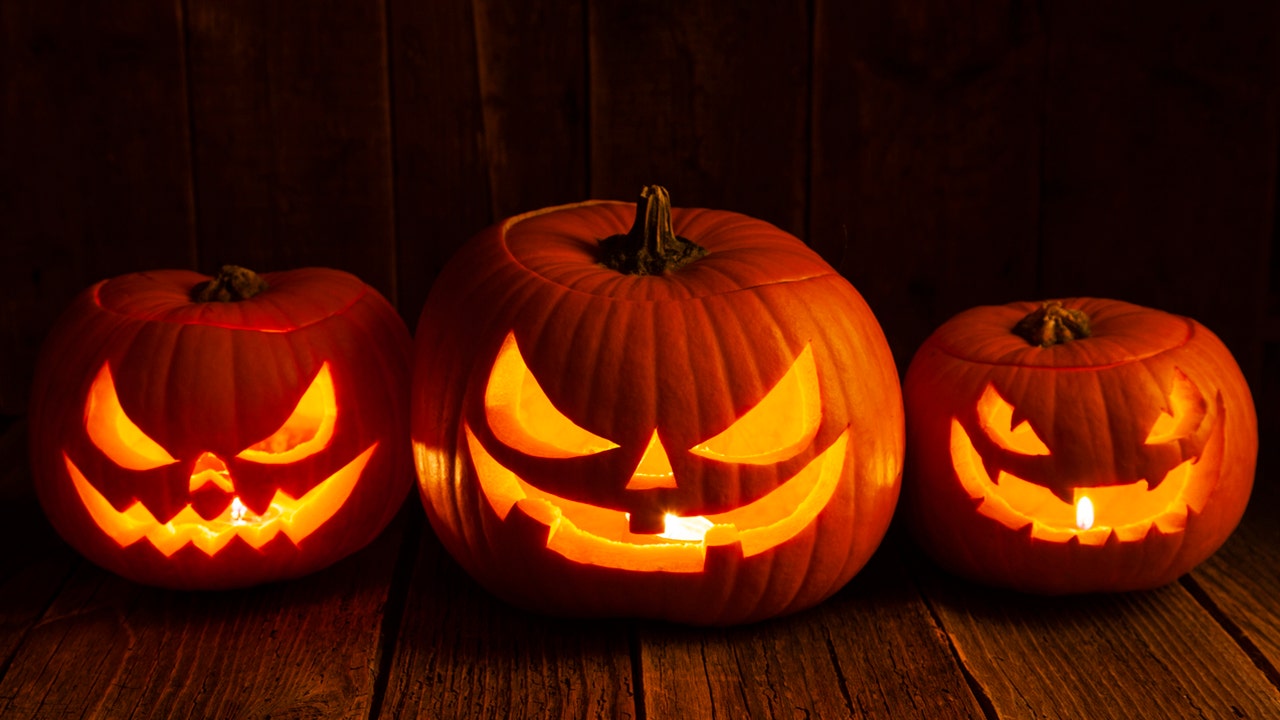
Jack O’Lantern plants thrive in well-drained, fertile soil with a pH between 6.0 and 7.0. They require full sun to partial shade and moderate watering, allowing the soil to dry out slightly between waterings.
To plant Jack O’Lantern plants, sow seeds directly in the ground after the last frost. Alternatively, start seeds indoors 6-8 weeks before the last frost and transplant them outdoors when they have developed their first set of true leaves.
Tips for Successful Cultivation
- Amend the soil with compost or manure to improve fertility and drainage.
- Mulch around the plants to retain moisture and suppress weeds.
- Fertilize the plants every few weeks with a balanced fertilizer.
- Water the plants regularly, especially during hot, dry weather.
- Pinch back the tips of the vines to encourage bushier growth.
Troubleshooting Common Problems, Jack o’lantern plant
- Powdery mildew: Treat with a fungicide or spray the plants with a solution of baking soda and water.
- Aphids: Spray the plants with insecticidal soap or neem oil.
- Cucumber beetles: Handpick the beetles off the plants or use an insecticide.
Cultural Significance and Uses of Jack O’Lantern Plants
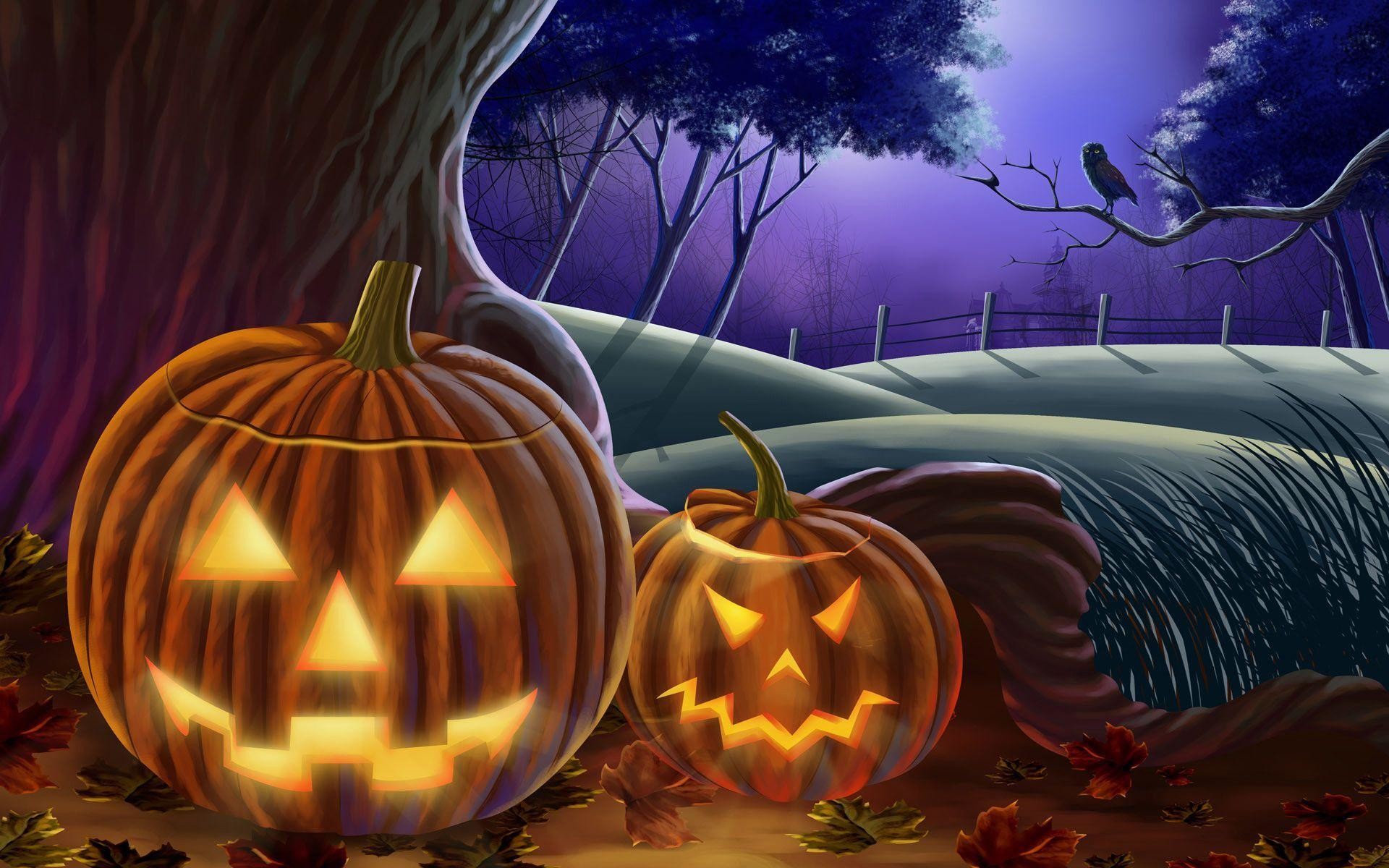
Jack O’Lantern plants, particularly the species Cucurbita pepo, hold a significant cultural and historical connection with Halloween traditions. The practice of carving pumpkins into Jack O’Lanterns originated in Ireland and Scotland, where they were known as “soul cakes” or “turnip lanterns.” These lanterns were believed to ward off evil spirits on All Hallows’ Eve, the night before All Saints’ Day. Over time, pumpkins became the preferred choice for carving due to their larger size and softer flesh.
Beyond their association with Halloween, Jack O’Lantern plants have various practical and decorative uses. The large, fleshy fruits are edible and can be used in cooking, baking, and even making pumpkin puree. The seeds are also edible and can be roasted or used in salads. Additionally, the large leaves of the plant can be used as a natural mulch or compost.
In Art and Literature
The distinctive shape and vibrant colors of Jack O’Lantern plants have inspired artists and writers for centuries. In literature, pumpkins often appear as symbols of autumn, harvest, and the changing seasons. For example, in Washington Irving’s classic short story “The Legend of Sleepy Hollow,” the Headless Horseman is famously depicted carrying a pumpkin as a makeshift head.
In Popular Culture
In popular culture, Jack O’Lanterns have become synonymous with Halloween celebrations. They are often featured in movies, television shows, and other forms of entertainment. The annual tradition of pumpkin carving competitions has also gained widespread popularity, with people showcasing their creativity and artistic skills by transforming pumpkins into elaborate works of art.
:max_bytes(150000):strip_icc()/gooseberryJoshuaMcCullough-5c412eebc9e77c00010395fa.jpg "Lantern chinese fruit wallpaperaccess")