La planta de higuera – The fig tree (Ficus carica), a captivating plant with a rich history and diverse uses, has played a significant role in cultures worldwide. Its unique fruiting process, nutritional value, and culinary versatility make it a fascinating subject for exploration.
From its botanical classification to its cultural significance and culinary applications, this article delves into the multifaceted nature of the fig tree, offering a comprehensive overview of this ancient and cherished plant.
Botanical Profile of the Fig Tree

The fig tree, scientifically classified as Ficus carica, belongs to the Moraceae family, a group of flowering plants known for their unique inflorescences and latex-producing abilities. The fig tree is a deciduous tree, meaning it sheds its leaves annually, and is characterized by its moderate height, typically ranging from 15 to 30 feet (4.5 to 9 meters) tall. It exhibits a spreading growth habit, with branches that extend outwards, creating a broad and leafy canopy. The leaves of the fig tree are large and deeply lobed, with 3 to 5 prominent lobes and serrated margins. The unique fruiting structure of the fig tree, known as a syconium, is an enclosed inflorescence that develops into a fleshy, pear-shaped fruit. The pollination process in fig trees is highly specialized, involving a mutually beneficial relationship with specific fig wasps (Blastophaga species). These wasps play a crucial role in pollinating the fig tree’s flowers, ensuring successful fruit production.
Unique Fruiting Process
The fig tree’s fruiting process is a fascinating and intricate phenomenon. The syconium, which appears as a fruit, is actually an inverted inflorescence that bears numerous tiny flowers on its inner surface. Depending on the fig variety, these flowers can be either male or female, or both male and female flowers may be present within the same syconium. The unique pollination process involves a specific type of fig wasp that enters the syconium through a small opening called the ostiole. The wasp carries pollen from male flowers to female flowers, facilitating fertilization. In return, the female wasps lay their eggs within the developing fig seeds, providing a safe environment for their offspring.
Role of Wasps in Pollination
The fig wasp plays a vital role in the pollination and seed dispersal of fig trees. The female wasp enters the syconium through the ostiole, carrying pollen from male flowers. As she crawls through the inflorescence, she inadvertently pollinates the female flowers. Simultaneously, she lays her eggs within the developing fig seeds, ensuring the continuation of the wasp species. The fig tree, in turn, provides a protected environment for the wasp larvae to develop and mature. Once the larvae hatch, they feed on the developing fig seeds and eventually emerge as adult wasps, ready to continue the pollination cycle. This mutually beneficial relationship between the fig tree and the fig wasp is essential for the successful reproduction and propagation of both species.
Cultural and Historical Significance of the Fig Tree
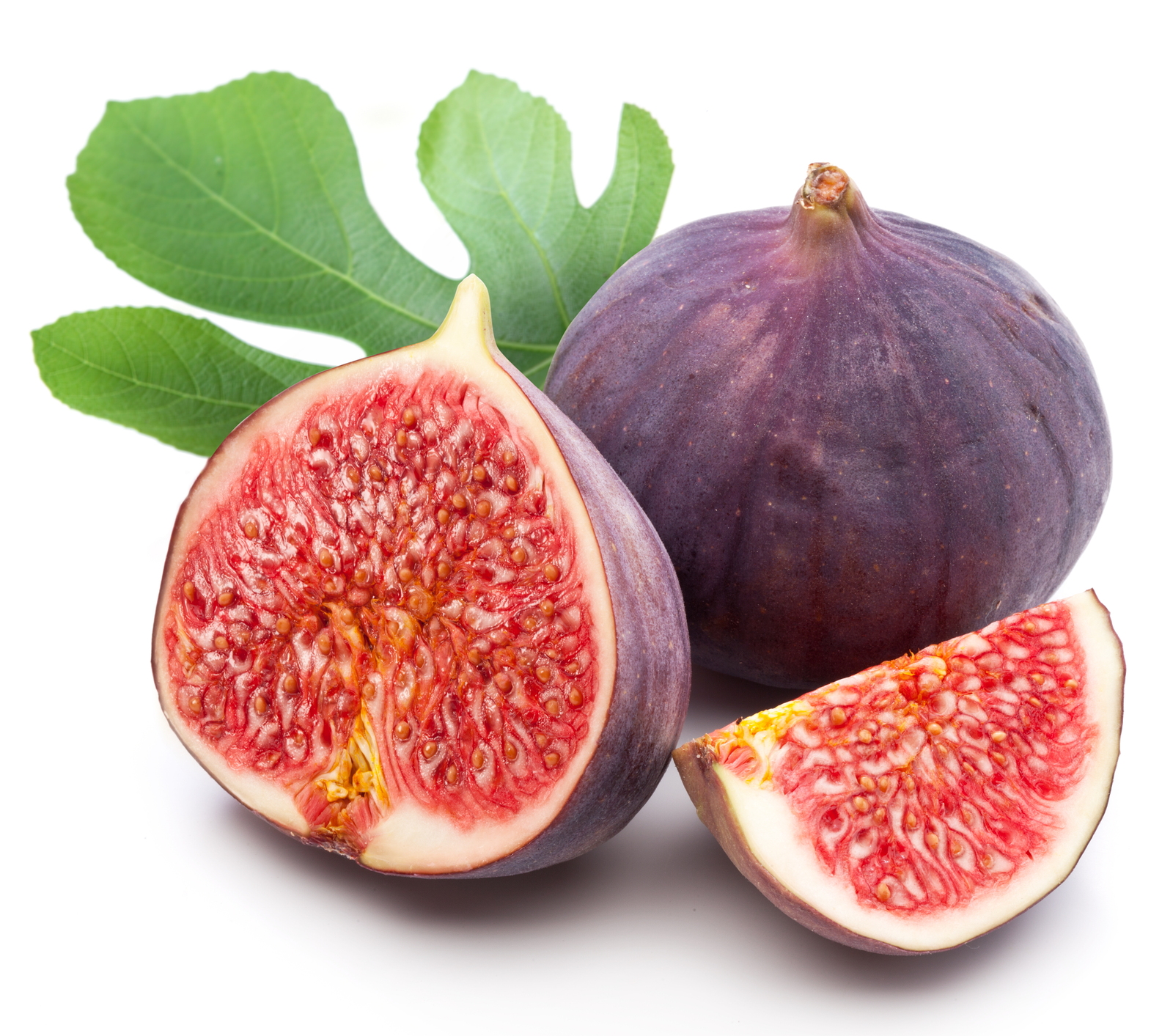
The fig tree, with its sweet and succulent fruit, has held a prominent place in human culture and history for millennia. Its significance extends beyond its culinary value, deeply intertwined with religious beliefs, mythology, art, and medicine.
Symbolism and Religious Associations
In ancient Egypt, the fig tree was considered sacred to the goddess Isis, representing fertility and abundance. The ancient Greeks and Romans associated it with Dionysus and Bacchus, gods of wine and revelry, respectively. In Christianity, the fig leaf became a symbol of modesty and the Fall of Man after Adam and Eve used its leaves to cover their nakedness.
Use in Traditional Medicine and Cuisine
Fig leaves have been traditionally used in herbal medicine for their anti-inflammatory and antimicrobial properties. In some cultures, they are applied topically to treat skin conditions or used as a poultice to reduce swelling. The fruit is a valuable source of dietary fiber, vitamins, and minerals, making it a nutritious and versatile food item.
Cultivation and Uses of the Fig Tree: La Planta De Higuera

Fig trees (Ficus carica) are relatively easy to cultivate and can be grown in various climates. They prefer well-drained, slightly alkaline soil with a pH between 6.0 and 7.5. Planting should be done in spring or fall, spacing the trees 15-20 feet apart. Fig trees require full sun to partial shade and regular watering, especially during hot, dry weather. Pruning is essential to maintain the tree’s shape and encourage fruit production.
Varieties of Fig Trees
There are over 1,000 varieties of fig trees, each with unique characteristics. Some popular varieties include:
- ‘Black Mission’: A large, dark-skinned fig with a sweet, juicy flavor.
- ‘Kadota’: A medium-sized, yellow-skinned fig with a mild, nutty flavor.
- ‘Brown Turkey’: A small, brown-skinned fig with a sweet, honey-like flavor.
Nutritional Value and Culinary Uses of Figs, La planta de higuera
Figs are a nutritious fruit, rich in dietary fiber, potassium, and antioxidants. They are a good source of vitamins A, C, and K. Figs can be eaten fresh, dried, or processed into jams, jellies, and preserves. They can also be used in various culinary preparations, such as salads, desserts, and main courses.
- Fresh Figs: Can be eaten as a snack or used in salads, desserts, and main courses.
- Dried Figs: A concentrated source of nutrients, often used in trail mixes, granola bars, and baked goods.
- Fig Preserves: A sweet and tangy spread, perfect for toast, crackers, and cheese platters.
