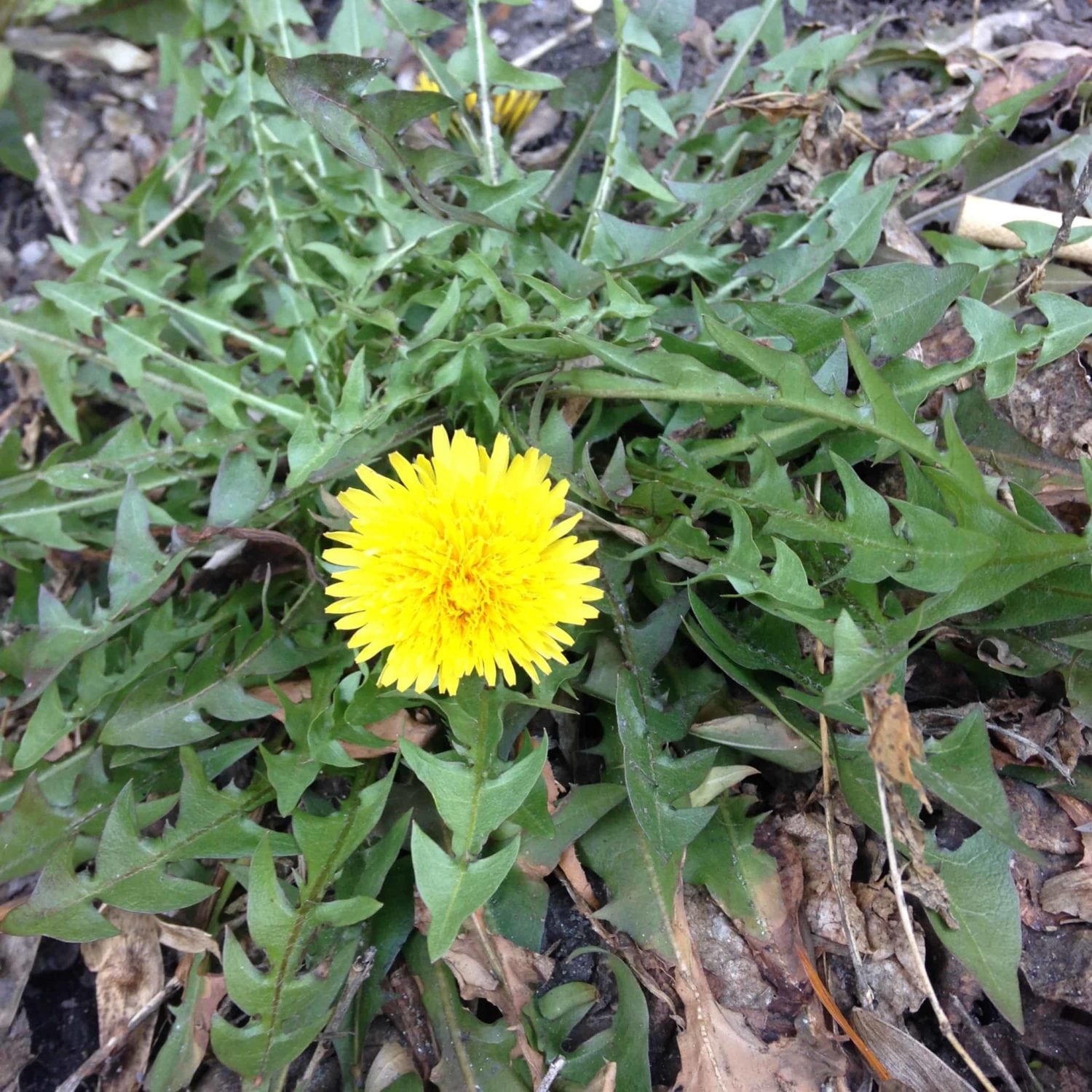
Unveiling the lion’s tooth plant, a botanical wonder with a striking appearance and a rich history of medicinal applications. Its unique characteristics and therapeutic properties make it a captivating subject for exploration.
From its distinctive leaves resembling a lion’s mane to its vibrant yellow flowers, the lion’s tooth plant stands out in the plant kingdom. Its medicinal virtues have been recognized for centuries, with traditional and modern uses alike.
Plant Characteristics

The lion’s tooth plant, scientifically known as Taraxacum officinale, stands out with its distinctive physical attributes. It is a perennial herbaceous plant, meaning it can live for several years and produces non-woody stems.
One of the most recognizable features of the lion’s tooth plant is its leaves. The leaves are arranged in a basal rosette, forming a clump at the base of the plant. They are deeply lobed and have jagged edges, resembling the teeth of a lion, hence the plant’s common name.
Stems
The stems of the lion’s tooth plant are typically hollow and unbranched. They are usually erect and can grow up to 12 inches (30 cm) in height. The stems contain a milky latex that can be visible when the plant is broken or cut.
Flowers
The lion’s tooth plant produces bright yellow flowers that resemble dandelions. The flowers are composed of numerous ray florets, each with a strap-shaped petal. The flowers are arranged in a single head at the top of the stem. After pollination, the flowers develop into spherical seed heads with numerous seeds attached to a parachute-like structure, aiding in wind dispersal.
Medicinal Properties: Lion’s Tooth Plant

The lion’s tooth plant possesses remarkable medicinal properties that have been recognized for centuries. Traditional healers have long used it to treat various ailments, and modern research has begun to unravel the scientific basis for its healing abilities.
Lion’s tooth is a rich source of bioactive compounds, including flavonoids, terpenoids, and coumarins. These compounds have antioxidant, anti-inflammatory, and antimicrobial effects that contribute to the plant’s medicinal value.
Traditional Uses
Traditionally, lion’s tooth has been used to:
- Treat wounds and skin infections
- Reduce inflammation and pain
- Stimulate digestion and improve liver function
- Promote diuresis and reduce fluid retention
Modern Applications
Modern research has confirmed some of the traditional uses of lion’s tooth and identified new potential applications:
- Antioxidant and anti-inflammatory: Lion’s tooth extracts have been shown to protect cells from oxidative damage and reduce inflammation.
- Hepatoprotective: Studies have demonstrated that lion’s tooth can protect the liver from damage caused by toxins and alcohol.
- Diuretic: Lion’s tooth is a natural diuretic that can help reduce fluid retention and improve kidney function.
- Antimicrobial: Extracts from lion’s tooth have been found to inhibit the growth of certain bacteria and fungi.
Scientific Evidence
Several scientific studies have supported the medicinal claims of lion’s tooth. For example:
- A study published in the journal Phytomedicine found that lion’s tooth extract protected liver cells from damage caused by acetaminophen.
- A study in the Journal of Ethnopharmacology showed that lion’s tooth extract had diuretic effects in rats.
- A study in the journal BMC Complementary and Alternative Medicine found that lion’s tooth extract had antibacterial activity against several strains of bacteria.
Cultivation and Care

The lion’s tooth plant is relatively easy to cultivate and care for, making it a suitable choice for both experienced and novice gardeners. By providing optimal growing conditions, you can encourage healthy growth and maximize the plant’s medicinal properties.
Soil Conditions
The lion’s tooth plant prefers well-drained, sandy loam soil with a pH range of 6.0 to 7.5. Avoid planting in heavy clay soil, as it can lead to waterlogging and root rot.
Sunlight Requirements
This plant thrives in full sun to partial shade. However, it is important to protect the plant from intense afternoon sun, especially in hot climates, as it can scorch the leaves.
Watering Needs, Lion’s tooth plant
Water the lion’s tooth plant regularly, especially during dry spells. Allow the soil to dry out slightly between waterings to prevent overwatering. Mulching around the plant can help retain moisture and suppress weeds.
Special Care
The lion’s tooth plant is generally low-maintenance. However, it may benefit from occasional fertilization with a balanced liquid fertilizer during the growing season. Additionally, removing spent flowers can encourage continued blooming and prevent self-seeding.