Manila’s Pride plant, an enthralling botanical specimen, unveils a captivating narrative of cultural heritage, economic benefits, and environmental importance, inviting us to explore its remarkable journey.
This remarkable plant, boasting scientific classification as Euphorbia pulcherrima, exhibits an alluring blend of scarlet and green hues, captivating the senses with its striking beauty.
Manila’s Pride Plant
Manila’s Pride Plant (Hibiscus rosa-sinensis ‘Manila Pride’) is a captivating cultivar of the hibiscus family, renowned for its striking appearance and resilience. This tropical shrub is characterized by its compact growth habit, reaching heights of around 3-5 feet. Its foliage consists of glossy, dark green leaves with serrated margins.
Botanical Overview
The Manila’s Pride Plant belongs to the genus Hibiscus within the family Malvaceae. It is a hybrid cultivar derived from various Hibiscus rosa-sinensis species, inheriting a blend of desirable traits. The plant’s scientific name, ‘Manila Pride,’ signifies its origin in the Philippines, where it has been widely cultivated for its ornamental value.
Growth Habits
Manila’s Pride Plant exhibits a vigorous growth habit, producing numerous stems that form a bushy appearance. Its stems are typically erect and slightly woody, supporting the large, showy flowers. The plant’s blooming period extends from late spring to early fall, producing an abundance of trumpet-shaped flowers in various shades of pink, red, or yellow. These flowers are often double or semi-double, showcasing layers of delicate petals that create a captivating display.
Origins and Distribution
The Manila’s Pride Plant is believed to have originated in the Philippines, where it has been a popular ornamental plant for centuries. It has since spread to various tropical and subtropical regions worldwide, including Southeast Asia, South Asia, and parts of the Americas. The plant’s adaptability and ease of cultivation have contributed to its widespread distribution.
Unique Characteristics
One of the unique characteristics of the Manila’s Pride Plant is its ability to tolerate a wide range of soil conditions. It can thrive in well-drained, slightly acidic to slightly alkaline soils. However, the plant prefers fertile soil rich in organic matter to promote optimal growth and flowering. Additionally, the Manila’s Pride Plant is relatively drought-tolerant, making it a suitable choice for areas with limited water availability.
Cultivation Requirements
The Manila’s Pride Plant is a relatively easy plant to cultivate, requiring minimal maintenance. It thrives in full sun to partial shade, although it may produce fewer flowers in shaded areas. The plant prefers regular watering, especially during hot, dry periods, but it can tolerate some drought conditions. Fertilizing the plant monthly during the growing season with a balanced fertilizer will promote healthy growth and abundant flowering.
Cultural Significance and Uses
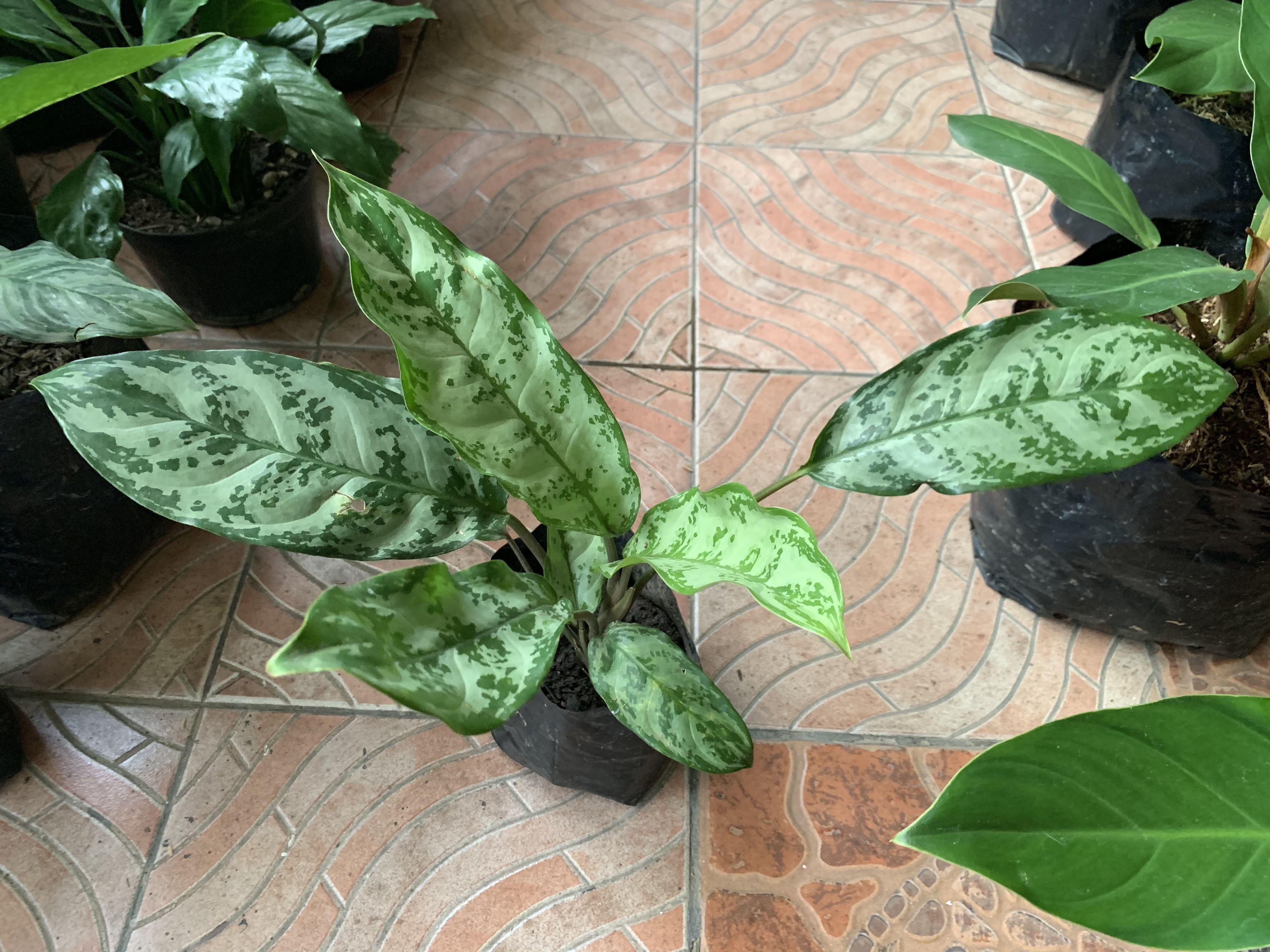
The Manila’s Pride plant holds significant cultural importance in Philippine society, deeply embedded in traditional beliefs, practices, and everyday life.
In traditional medicine, the leaves and roots of the plant have been used for centuries to treat various ailments. Practitioners of traditional healing believe that the plant possesses anti-inflammatory, antibacterial, and analgesic properties. For instance, the leaves are often crushed and applied topically to relieve pain and inflammation associated with wounds, sprains, and insect bites.
Culinary Applications
In Philippine cuisine, the young leaves of the Manila’s Pride plant are commonly used as a leafy vegetable. They are often boiled or steamed and served as a side dish or added to soups and stews. The leaves are rich in vitamins, minerals, and antioxidants, contributing to their nutritional value.
Ornamental Value
Beyond its medicinal and culinary uses, the Manila’s Pride plant is also valued for its ornamental qualities. Its attractive foliage and vibrant flowers make it a popular choice for landscaping and home gardening. The plant can be grown in containers or directly in the ground, adding a touch of tropical beauty to any space.
Spiritual and Symbolic Meanings
In some indigenous cultures of the Philippines, the Manila’s Pride plant holds symbolic and spiritual significance. It is believed to bring good luck, prosperity, and protection to those who possess it. In some communities, the plant is used in rituals and ceremonies to ward off evil spirits and promote harmony.
Economic and Environmental Benefits: Manila’s Pride Plant

Manila’s Pride plant offers significant economic and environmental advantages. Its cultivation generates income for local communities and contributes to sustainable gardening practices.
Economic Benefits
– Horticulture and Landscaping: Manila’s Pride is a popular ornamental plant in horticulture and landscaping. Its striking foliage and low maintenance requirements make it a sought-after choice for gardens, parks, and commercial landscapes.
– Floriculture: The plant’s showy inflorescences are used in floral arrangements, adding color and texture to bouquets and centerpieces.
– Traditional Medicine: In traditional medicine, Manila’s Pride is used to treat various ailments, including headaches, stomach problems, and skin conditions. Its medicinal properties have potential for commercial development.
Environmental Benefits, Manila’s pride plant
– Air Purification: Manila’s Pride has air-purifying abilities, removing pollutants such as formaldehyde and benzene from the environment.
– Erosion Control: The plant’s extensive root system helps prevent soil erosion, particularly in areas prone to heavy rainfall.
– Biodiversity Support: Manila’s Pride attracts pollinators like bees and butterflies, contributing to local biodiversity and supporting the ecosystem.
Threats and Challenges
Despite its benefits, Manila’s Pride faces some potential threats and challenges.
– Invasive Species: In some areas, Manila’s Pride has become invasive, outcompeting native plant species.
– Overharvesting: Excessive harvesting for commercial purposes can deplete natural populations.
– Habitat Loss: Urban development and deforestation can reduce the availability of suitable habitats for Manila’s Pride.