
The mass cane corn plant, also known as Dracaena fragrans, is a popular houseplant prized for its air-purifying abilities and striking appearance. With its lush foliage and easy-care nature, this plant is a welcome addition to any home or office.
This guide will provide you with all the information you need to successfully grow and care for your mass cane corn plant, from its optimal growing conditions to its potential medicinal uses.
Mass Cane Corn Plant Growth Characteristics

The mass cane corn plant (Dracaena fragrans), also known as the corn plant or dragon tree, is a popular houseplant valued for its attractive foliage and ease of care. It is native to tropical Africa and can grow outdoors in warm climates but is typically grown as a houseplant in colder regions.
The mass cane corn plant is a slow-growing, evergreen shrub that can reach heights of up to 6 feet indoors and 10 feet outdoors. It has a single, upright stem with long, narrow leaves that are arranged in a spiral pattern. The leaves are dark green with a glossy sheen and can grow up to 2 feet long and 2 inches wide.
Optimal Growing Conditions
The mass cane corn plant prefers bright, indirect light but can tolerate low light conditions. It grows best in well-drained soil with a pH level between 6.0 and 6.5. The plant should be watered regularly, but allow the soil to dry out slightly between waterings.
Propagation
The mass cane corn plant can be propagated through cuttings or division. To propagate through cuttings, take a stem cutting that is at least 6 inches long and remove the bottom leaves. Place the cutting in a pot filled with well-draining soil and keep the soil moist. To propagate through division, carefully divide the plant into two or more sections, each with its own roots. Plant the divisions in individual pots filled with well-draining soil.
Uses of Mass Cane Corn Plant
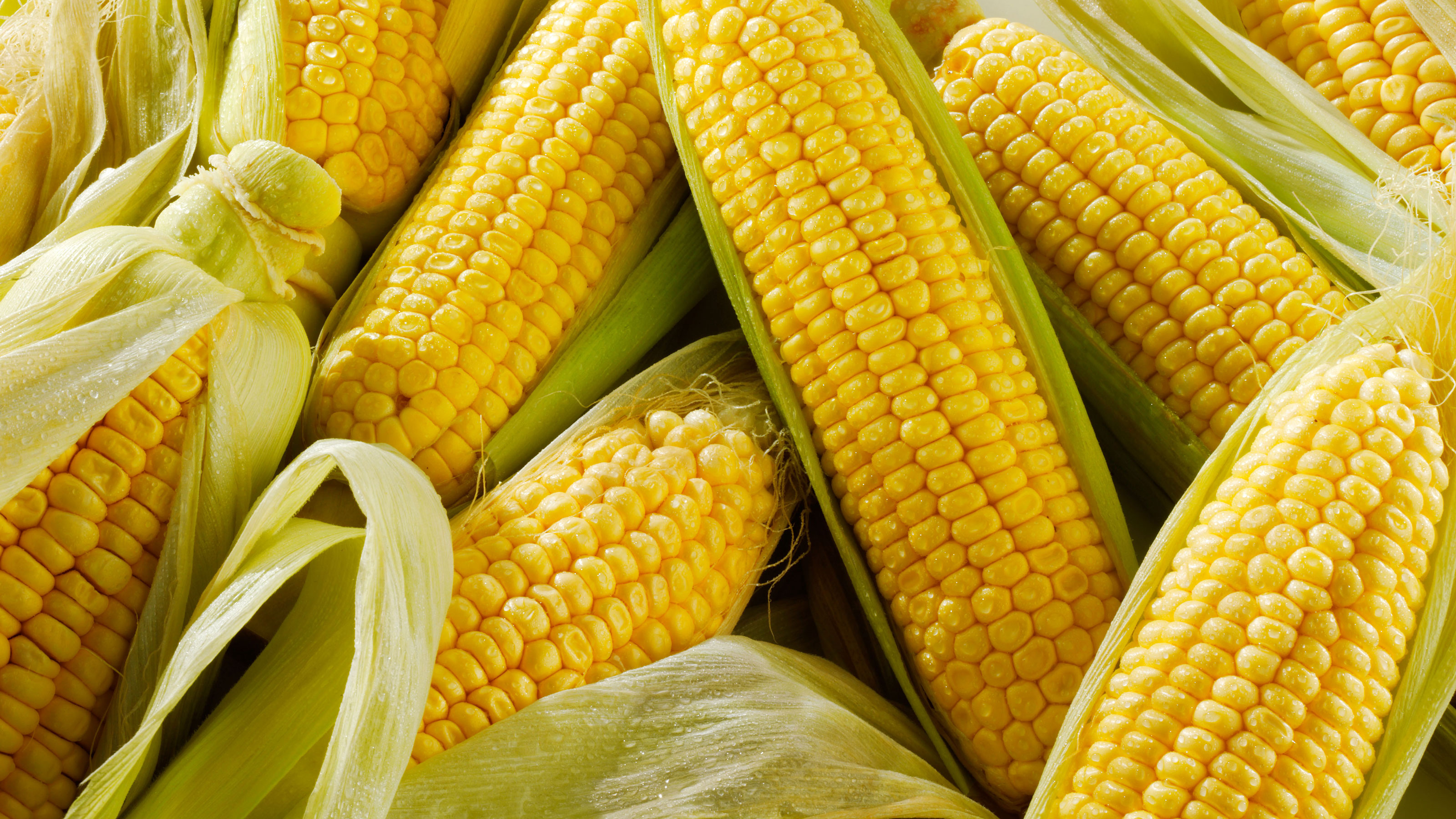
The mass cane corn plant offers a range of uses, making it a popular choice for both indoor and outdoor landscaping.
Outdoors, the plant is often used as a specimen plant or in groups to create a tropical atmosphere. Its tall, graceful stems and lush foliage add height and texture to the landscape. It can also be used as a privacy screen or windbreak, as it grows quickly and forms a dense thicket.
Indoors, the mass cane corn plant is a popular choice for purifying the air. Studies have shown that it can remove toxins such as benzene, formaldehyde, and trichloroethylene from the air. This makes it an ideal plant for homes, offices, and other indoor spaces where air quality may be a concern.
In addition to its air-purifying capabilities, the mass cane corn plant also has potential medicinal uses. It contains compounds that have antibacterial and anti-inflammatory properties. These compounds are being studied for their potential use in treating a variety of conditions, including acne, burns, and wounds.
Landscaping Uses
- Specimen plant
- Privacy screen
- Windbreak
- Indoor air purification
Potential Medicinal Uses
- Antibacterial properties
- Anti-inflammatory properties
- Treatment of acne, burns, and wounds
Care and Maintenance of Mass Cane Corn Plant
:max_bytes(150000):strip_icc()/thespruce.com-growing-garden-fresh-sweet-corn-1402816-1-bee7bf51007d42d08b9458322f7df08f.jpg "Sweetcorn thompson")
The Mass Cane Corn Plant is a relatively low-maintenance plant, but like all plants, it has specific needs to thrive. With proper care, this plant can flourish and add a touch of elegance to any indoor space.
Watering, Mass cane corn plant
Watering is crucial for the health of the Mass Cane Corn Plant. Overwatering or underwatering can lead to problems, so it’s important to find the right balance. Allow the top 2-3 inches of soil to dry out before watering thoroughly. Avoid letting the plant sit in water, as this can lead to root rot. During the winter months, reduce watering frequency as the plant goes into a dormant state.
Fertilizer
Fertilizing the Mass Cane Corn Plant regularly helps promote healthy growth and vibrant foliage. Use a balanced liquid fertilizer diluted to half strength during the growing season (spring and summer). Fertilize every 2-3 weeks, following the instructions on the fertilizer label.
Pest and Disease Control
The Mass Cane Corn Plant is generally pest and disease-resistant, but it can occasionally be affected by common houseplant pests such as aphids, mealybugs, and spider mites. Regularly inspect the plant for signs of pests or diseases. If pests are found, treat them promptly with an appropriate insecticide or miticide. For diseases, remove any affected leaves and treat the plant with a fungicide if necessary.

