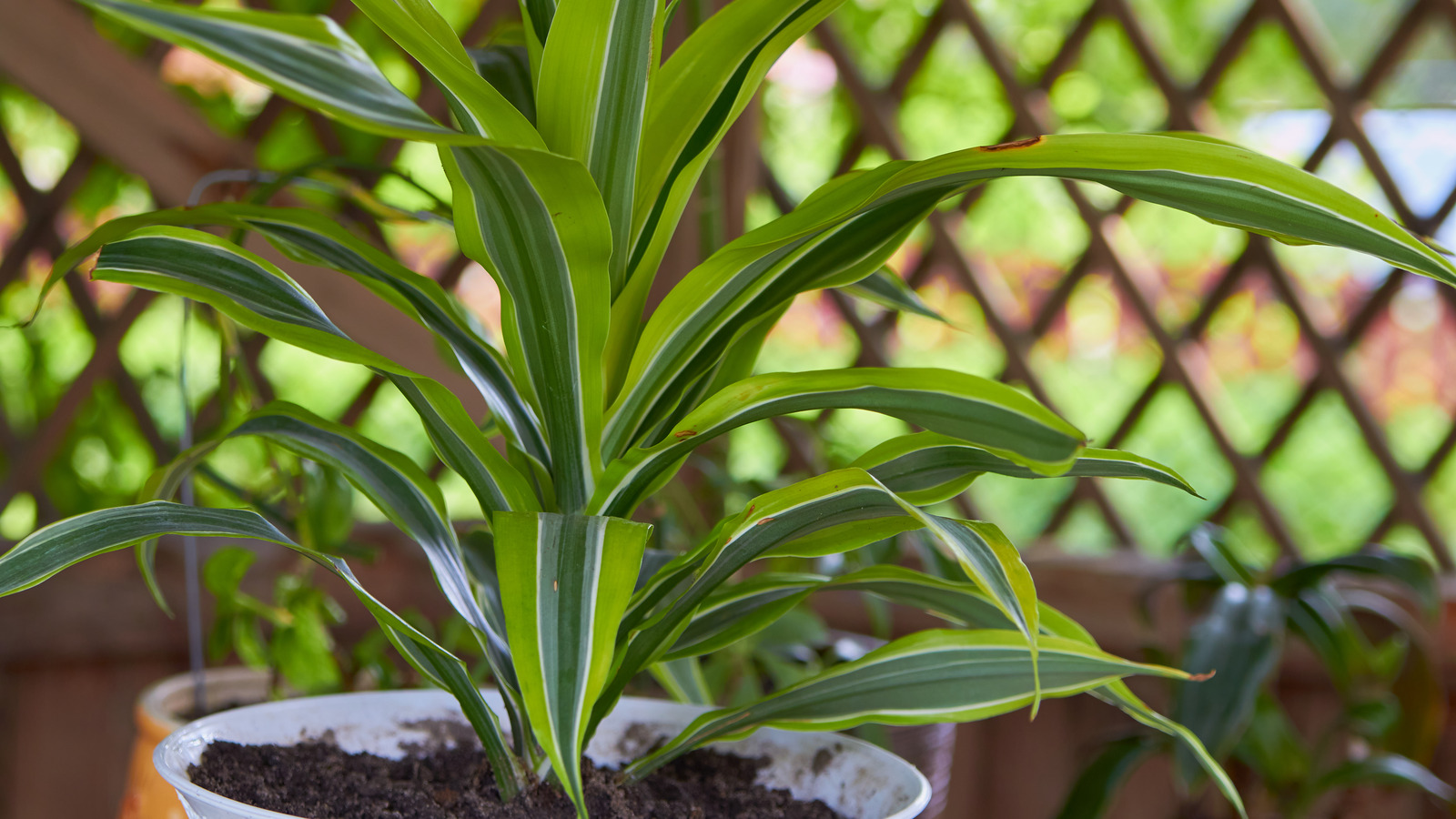
Unveiling the captivating world of mass cane floor plants, we embark on a journey that intertwines the beauty of nature with the practicality of home décor. Their graceful silhouettes and lush foliage have captivated plant enthusiasts and interior designers alike, making them a sought-after addition to any space.
With their distinctive characteristics, ease of care, and versatility in interior design, mass cane floor plants stand out as a true horticultural gem. Let us delve into their world, exploring their unique attributes and the myriad ways they can transform our living spaces.
Plant Characteristics
The mass cane floor plant, scientifically known as Dracaena massangeana, is a striking and easy-care plant that adds a touch of tropical elegance to any indoor space. Its lush foliage and unique growth pattern make it a popular choice for both homes and offices.
Mass cane plants are known for their tall, upright growth habit, reaching heights of up to 6 feet (1.8 meters). Their long, slender stems are adorned with dense clusters of narrow, sword-shaped leaves. The leaves are typically a deep green color, with some varieties featuring variegated patterns of cream or yellow.
Growth Habits
Mass cane plants prefer bright, indirect light but can tolerate low-light conditions. They require regular watering, allowing the soil to dry out slightly between waterings. The ideal temperature range for mass cane plants is between 65°F and 85°F (18°C and 29°C).
Unique Features
One of the most distinctive features of the mass cane floor plant is its ability to purify the air. Studies have shown that it can effectively remove harmful toxins such as benzene, formaldehyde, and trichloroethylene from the air.
Care and Maintenance

The mass cane floor plant, with its graceful arching leaves, adds a touch of elegance to any space. To ensure its continued health and beauty, proper care and maintenance are essential.
Regular watering, appropriate fertilization, and timely pruning are crucial aspects of caring for a mass cane floor plant. Additionally, understanding and addressing common problems, such as yellowing leaves or pests, will help keep the plant thriving.
Watering
Mass cane floor plants prefer moist soil but not waterlogged conditions. Allow the top 2-3 inches of soil to dry out before watering thoroughly. Avoid overwatering, as this can lead to root rot.
During the growing season (spring and summer), water the plant more frequently, approximately once a week. In the fall and winter, reduce watering to every 10-14 days.
Fertilizing
Fertilize the mass cane floor plant monthly during the growing season using a balanced liquid fertilizer diluted to half strength. Avoid over-fertilizing, as this can damage the plant.
Pruning, Mass cane floor plant
Pruning is essential to maintain the shape and health of the mass cane floor plant. Remove any dead or damaged leaves, as well as any suckers that may grow from the base of the plant.
To prune, use a sharp, clean pair of scissors or shears. Cut the leaves back to the desired length, just above a node (the point where a leaf joins the stem).
Common Problems
Yellowing Leaves
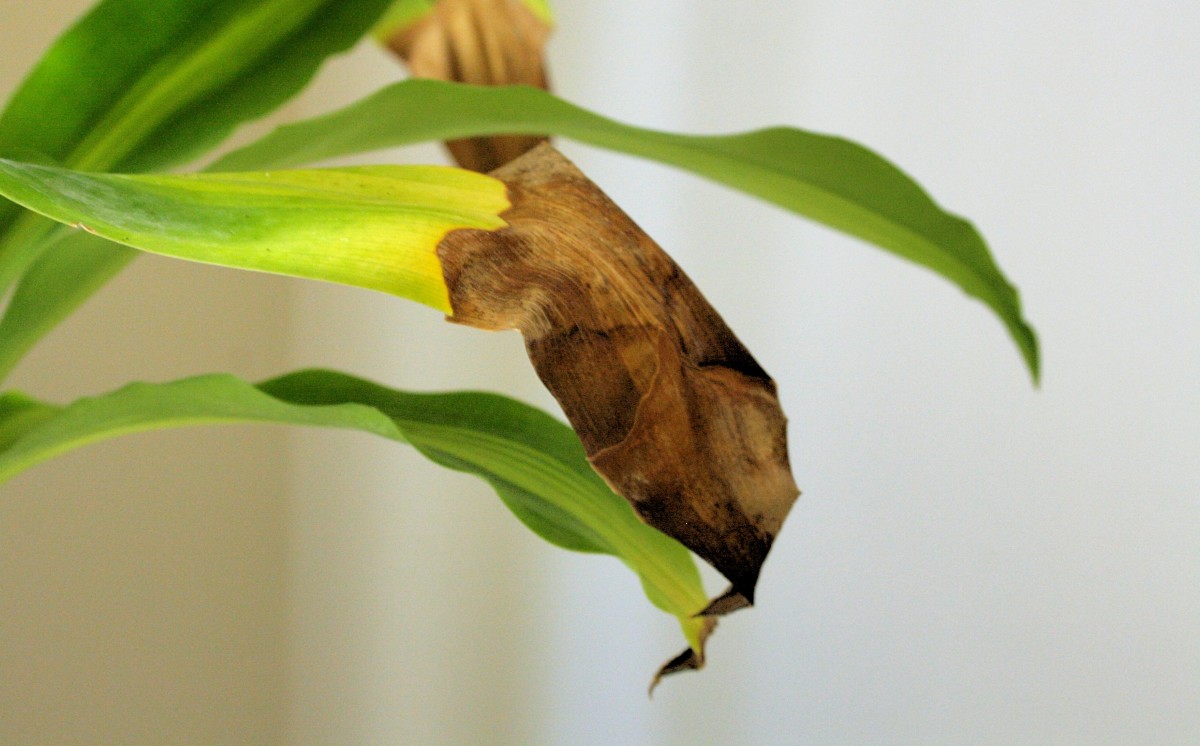
Yellowing leaves can indicate overwatering, underwatering, or nutrient deficiency. Check the soil moisture and adjust watering accordingly. If the soil is not the issue, consider fertilizing the plant with a balanced liquid fertilizer.
Pests
Mass cane floor plants are generally pest-resistant, but they can be susceptible to mealybugs, spider mites, and aphids. Inspect the plant regularly for pests and treat them promptly with an appropriate insecticide.
Tips for Keeping the Plant Healthy
- Provide bright, indirect light.
- Maintain humidity levels around the plant by misting the leaves or using a humidifier.
- Repot the plant every 2-3 years into a larger pot with fresh potting mix.
- Avoid placing the plant near heat sources or drafts.
Decorative Uses: Mass Cane Floor Plant

Mass cane floor plants are versatile decorative elements that can enhance the aesthetic appeal of any interior space. Their lush, arching foliage and graceful silhouette add a touch of elegance and sophistication to any setting.
The plant’s ability to thrive in low-light conditions makes it an ideal choice for dimly lit areas or rooms with limited natural light. Its adaptability also allows it to complement a wide range of décor styles, from traditional to contemporary.
Placement and Styling
Mass cane floor plants can be used in various ways to create a visually pleasing environment. They can be placed in corners to add height and interest, or used as a focal point in a living room or dining area. Their cascading foliage can be used to create a sense of privacy or to divide a space.
When styling with mass cane floor plants, it’s important to consider their size and scale. Larger plants are best suited for spacious rooms, while smaller plants can be used to add a touch of greenery to smaller spaces.
Complementary Elements
Mass cane floor plants can be paired with other plants to create a cohesive and visually appealing arrangement. Smaller plants, such as ferns or succulents, can be placed at the base of the mass cane to add texture and interest. Larger plants, such as fiddle-leaf figs or monsteras, can be used to create a lush and dramatic display.
Mass cane floor plants can also be complemented by other décor elements, such as artwork, rugs, and furniture. The plant’s neutral green foliage allows it to blend seamlessly with any color scheme, making it a versatile addition to any décor.