Native plants to Iowa are the lifeblood of the state’s ecosystems, providing vital habitat, erosion control, and water filtration. From towering oaks to delicate wildflowers, these plants have adapted to Iowa’s unique climate and landscapes, forming a tapestry of biodiversity that sustains the state’s wildlife and human communities.
In this comprehensive guide, we’ll explore the ecological significance of native plants to Iowa, provide tips on identifying and cultivating them, and highlight the importance of conservation and restoration efforts to preserve these precious resources.
Native Plants of Iowa: Ecological Significance
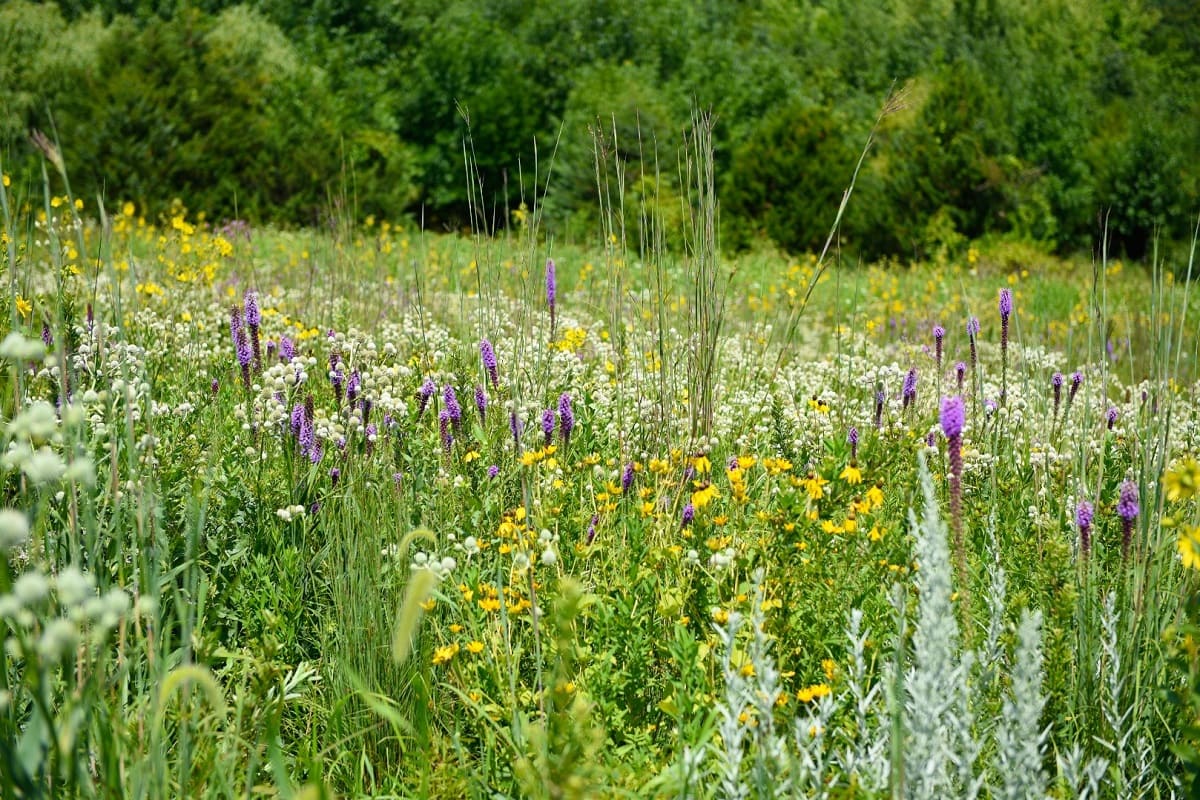
Native plants, those species that have evolved and adapted to Iowa’s unique environmental conditions over thousands of years, play a crucial role in maintaining the health and balance of the state’s diverse ecosystems. They possess distinct characteristics and adaptations that enable them to thrive in Iowa’s climate, soil types, and biotic interactions.
Native plants exhibit a remarkable range of adaptations that allow them to survive and flourish in Iowa’s diverse habitats. These adaptations include drought tolerance, resistance to extreme temperatures, and the ability to establish deep root systems that help stabilize soils and prevent erosion. Additionally, native plants have evolved to form mutually beneficial relationships with other organisms, such as pollinators, seed dispersers, and soil microbes, contributing to the overall biodiversity and ecological resilience of Iowa’s ecosystems.
Habitat Provision
Native plants provide essential habitat for a wide variety of wildlife species, including birds, mammals, reptiles, amphibians, and insects. They offer food, shelter, and nesting sites, supporting the survival and reproduction of numerous species. For example, oak trees (Quercus spp.) produce acorns that are a vital food source for many animals, including squirrels, deer, and turkeys. Native grasses, such as big bluestem (Andropogon gerardii) and little bluestem (Schizachyrium scoparium), provide nesting habitat for ground-nesting birds like bobolinks (Dolichonyx oryzivorus) and meadowlarks (Sturnella spp.).
Erosion Control
Native plants play a significant role in controlling soil erosion by stabilizing soils with their extensive root systems. Their dense root networks help hold soil in place, preventing it from being washed away by wind or water. This is particularly important in areas with steep slopes or erodible soils. For instance, native prairie grasses, with their deep and fibrous root systems, effectively prevent soil erosion in grasslands and prairies.
Water Filtration
Native plants contribute to water filtration by absorbing and filtering pollutants from water sources. Their root systems help remove excess nutrients, sediment, and other contaminants from water, improving water quality for both human and wildlife use. For example, wetlands dominated by native plants, such as cattails (Typha spp.) and sedges (Carex spp.), act as natural filters, removing pollutants and improving water quality before it enters rivers, lakes, and streams.
Identifying and Cultivating Native Plants

Iowa’s diverse ecosystems support a wide array of native plant species. Identifying and cultivating these plants is crucial for preserving biodiversity, enhancing wildlife habitats, and creating sustainable landscapes. This guide provides a comprehensive approach to identifying and cultivating common native plants in Iowa, including wildflowers, trees, shrubs, and grasses.
To effectively identify native plants, consider their physical characteristics, such as leaf shape, flower color, and growth patterns. Field guides, online databases, and mobile applications can assist in species identification. Once identified, understanding the specific habitat requirements of each plant is essential for successful cultivation.
Wildflowers, Native plants to iowa
Iowa’s prairies and woodlands are home to a vibrant array of wildflowers. These plants attract pollinators, support wildlife, and add color to gardens. Some popular wildflowers include:
- Black-eyed Susan (Rudbeckia hirta): A cheerful flower with yellow petals and a dark central cone.
- Purple Coneflower (Echinacea purpurea): Known for its medicinal properties and attractive purple flowers.
li>Wild Bergamot (Monarda fistulosa): A fragrant plant with lavender-colored flowers that attract butterflies.
Trees
Native trees provide shade, shelter, and food for wildlife. They are also essential for soil conservation and carbon sequestration. Some common native trees in Iowa include:
- Bur Oak (Quercus macrocarpa): A majestic tree with large, deeply lobed leaves.
- Sugar Maple (Acer saccharum): Known for its vibrant fall foliage and sweet sap used to make maple syrup.
- Black Walnut (Juglans nigra): A valuable timber tree with dark, aromatic nuts.
Shrubs
Native shrubs add diversity to landscapes and provide food and cover for birds and small animals. Some common native shrubs in Iowa include:
- Common Lilac (Syringa vulgaris): A fragrant shrub with showy purple flowers.
- American Hazelnut (Corylus americana): A multi-stemmed shrub that produces edible nuts.
- Nannyberry (Viburnum lentago): A deciduous shrub with blue-black berries that attract birds.
Grasses
Native grasses form the foundation of Iowa’s prairies and grasslands. They provide habitat for wildlife, prevent soil erosion, and support pollinators. Some common native grasses include:
- Big Bluestem (Andropogon gerardii): A tall, showy grass with blue-green foliage.
- Indian Grass (Sorghastrum nutans): A warm-season grass with reddish-brown seed heads.
- Little Bluestem (Schizachyrium scoparium): A short, dense grass with blue-green foliage.
Cultivating native plants requires attention to soil conditions, sunlight requirements, and companion planting. Native plants generally prefer well-drained soil and thrive in conditions that mimic their natural habitats. It is important to group plants with similar sunlight requirements and to consider companion planting to maximize growth and ecosystem benefits.
Conservation and Restoration Efforts: Native Plants To Iowa
Preserving and restoring native plant communities in Iowa is crucial for maintaining biodiversity, ecosystem services, and the overall health of the state’s environment. Native plants provide essential habitat for wildlife, contribute to soil health and water quality, and play a vital role in carbon sequestration.
Numerous conservation initiatives and restoration projects are underway in Iowa to protect and enhance native plant communities. These efforts involve various techniques, including:
Habitat Enhancement
- Planting native species in areas where they have been lost or degraded.
- Removing invasive species that compete with native plants.
- Creating or restoring wetlands, prairies, and other native plant habitats.
- Managing grazing and other land use practices to promote native plant growth.
Biodiversity Protection
- Establishing seed banks to preserve genetic diversity.
- Monitoring and protecting rare and endangered plant species.
- Educating the public about the importance of native plants.
- Collaborating with landowners and conservation organizations to implement restoration projects.
Successful restoration projects often incorporate a combination of these techniques, tailored to the specific needs of the site. By restoring native plant communities, we can enhance habitat for wildlife, improve water quality, reduce soil erosion, and create a more resilient and sustainable ecosystem for future generations.