
Neem cake for plants is an organic soil amendment made from the crushed seeds of the neem tree. It is a rich source of nutrients and beneficial compounds that can improve soil health, promote plant growth, and protect against pests and diseases.
Neem cake contains a variety of organic compounds, including azadirachtin, which has insecticidal and antifungal properties. It also contains nutrients such as nitrogen, phosphorus, and potassium, which are essential for plant growth.
Neem Cake’s Composition and Properties
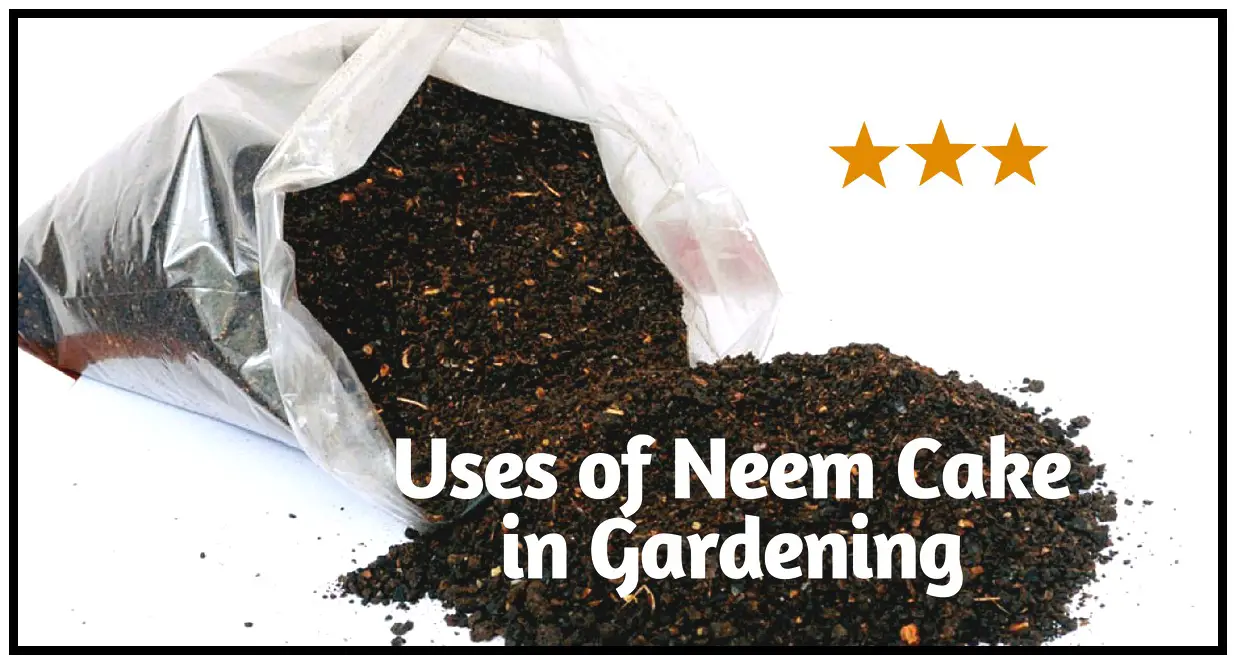
Neem cake is a natural and organic soil amendment made from the ground seeds of the neem tree (Azadirachta indica). It is a rich source of various organic compounds, nutrients, and other elements that contribute to soil health and plant growth.
Neem cake is primarily composed of organic matter, which is essential for maintaining soil structure, aeration, and water retention. It also contains high levels of nitrogen, phosphorus, and potassium, which are essential macronutrients for plant growth. Additionally, neem cake contains a range of micronutrients, such as calcium, magnesium, sulfur, and iron, which are also essential for plant health.
One of the unique components of neem cake is azadirachtin, a natural pesticide that has been shown to have insecticidal, antifungal, and antibacterial properties. Azadirachtin works by interfering with the growth and development of pests and pathogens, providing natural protection for plants.
Benefits of Using Neem Cake for Plants

Neem cake, derived from the seeds of the neem tree (Azadirachta indica), offers a myriad of benefits for plant growth and health. Its unique composition, rich in azadirachtin and other active compounds, makes it an effective soil amendment and natural pest repellent.
Enhancing Soil Fertility, Neem cake for plants
Neem cake enriches the soil by providing essential nutrients like nitrogen, phosphorus, and potassium. It also improves soil structure, aeration, and water retention capacity. The organic matter in neem cake decomposes slowly, releasing nutrients gradually over time, ensuring sustained plant growth.
Pest Control
Neem cake is a natural pest deterrent. Azadirachtin, a compound found in neem, disrupts the growth and development of insects and pests. By incorporating neem cake into the soil, gardeners can effectively control infestations of nematodes, whiteflies, aphids, and other common pests.
Disease Resistance
Neem cake has antifungal and antibacterial properties that help protect plants from diseases. It stimulates the plant’s immune system, enabling it to resist infections and diseases more effectively. Neem cake has been found to be particularly effective against root rot, powdery mildew, and leaf spot diseases.
Examples of Effective Use
In India, neem cake has been traditionally used for centuries to improve crop yields. Studies have shown that applying neem cake to tomato plants can increase fruit production by up to 20%. In Kenya, neem cake has been successfully used to control pests in coffee plantations, reducing the need for chemical pesticides.
Practical Applications of Neem Cake
Neem cake finds widespread applications in agriculture due to its multifaceted benefits. Here are some practical methods for using neem cake in different scenarios:
- Soil Amendment: Incorporating neem cake into the soil enriches it with essential nutrients and improves soil health. It enhances soil structure, water retention capacity, and microbial activity.
- Mulching: Applying neem cake as a mulch layer around plants provides a protective barrier against pests, diseases, and weeds. It conserves soil moisture, suppresses weed growth, and gradually releases nutrients into the soil.
- Foliar Sprays: Neem cake extracts can be diluted and sprayed onto plant foliage. This acts as a natural pesticide and fungicide, protecting plants from various pests and diseases.
Recommended Application Methods
The application method of neem cake depends on the plant type, soil conditions, and intended purpose. The following table provides general guidelines for different scenarios:
| Plant Type | Soil Conditions | Recommended Application Method |
|---|---|---|
| Vegetables | Well-drained, fertile soils | Soil amendment, mulching |
| Fruit trees | Sandy, acidic soils | Soil amendment, mulching, foliar sprays |
| Ornamental plants | Clayey, alkaline soils | Soil amendment, mulching |
Optimal Frequency and Timing
The frequency and timing of neem cake applications vary depending on the plant’s needs and the severity of pest or disease problems. As a general rule, neem cake should be applied every 2-4 weeks during the growing season. It is best to apply neem cake in the early morning or evening when temperatures are cooler. Avoid applying neem cake during hot, sunny weather, as it can cause leaf burn.
