One plant grow light sets the stage for this enthralling narrative, offering readers a glimpse into a story that is rich in detail with gaya cerita dengan fakta ilmiah and brimming with originality from the outset. Embark on a journey to discover the captivating world of plant cultivation, where this innovative lighting solution takes center stage, promising to transform your indoor gardening endeavors.
Delve into the realm of One Plant grow lights, unraveling their purpose, benefits, and the diverse range of options available. Explore the intricacies of LED, HPS, and CMH grow lights, each possessing unique characteristics tailored to specific plant needs. Prepare to witness the transformative power of these specialized lights as they unlock the full potential of your indoor garden.
Overview of One Plant Grow Lights
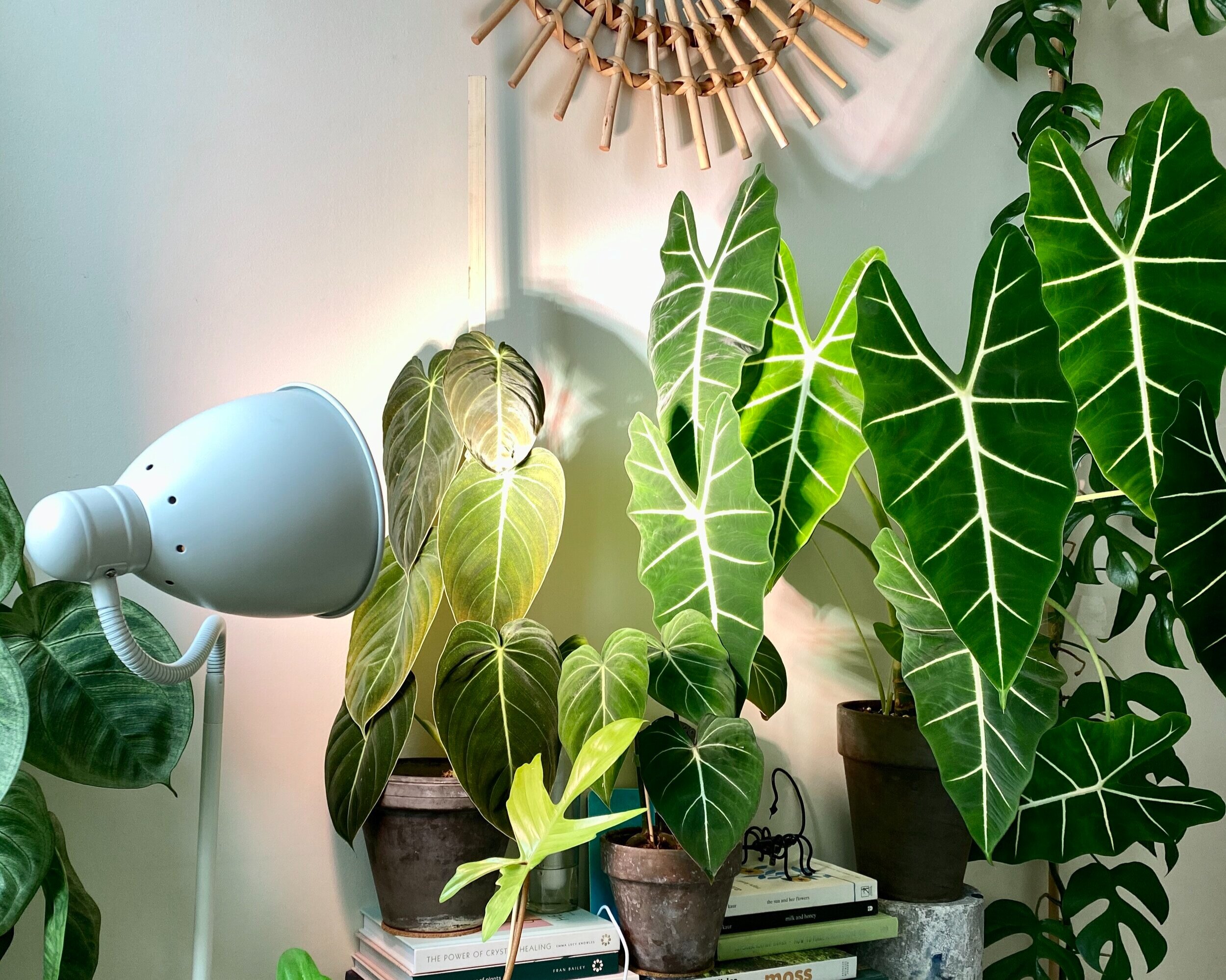
One Plant grow lights are specifically designed to provide optimal lighting conditions for indoor plant growth. They offer a range of benefits, including:
- Enhanced growth and yield: One Plant grow lights provide the necessary light spectrum and intensity to promote vigorous plant growth, resulting in higher yields.
- Control over light cycles: These lights allow growers to control the duration and intensity of light exposure, mimicking natural sunlight patterns and optimizing plant development.
- Year-round cultivation: With One Plant grow lights, indoor gardening can be extended throughout the year, regardless of seasonal changes.
- Improved plant quality: By providing optimal lighting conditions, One Plant grow lights enhance plant health, resulting in stronger stems, larger leaves, and more vibrant blooms.
Types of One Plant Grow Lights
There are several types of One Plant grow lights available, each with its own advantages:
- LED (Light-Emitting Diode) Grow Lights: LED grow lights are energy-efficient and produce minimal heat, making them a sustainable choice. They offer a wide range of light spectrums, allowing for customization based on plant needs.
- HPS (High-Pressure Sodium) Grow Lights: HPS grow lights emit a warm, orange-red light that is ideal for flowering and fruiting plants. They provide high levels of light intensity, but can generate significant heat.
- CMH (Ceramic Metal Halide) Grow Lights: CMH grow lights combine the benefits of HPS and LED lights, producing a balanced light spectrum that promotes both vegetative and flowering growth. They are known for their high efficiency and long lifespan.
Advantages and Disadvantages of One Plant Grow Lights
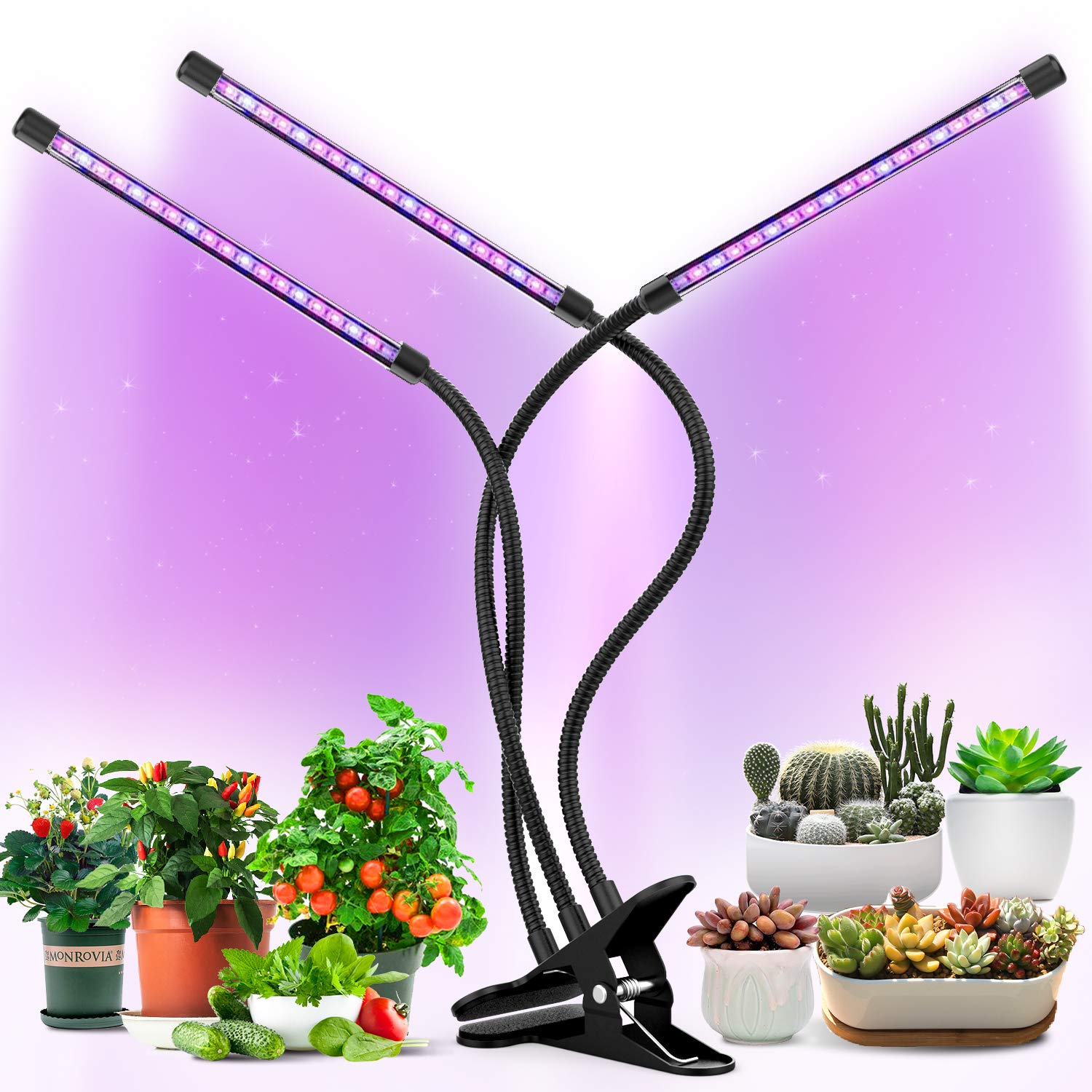
One Plant grow lights offer several advantages, including increased plant growth, improved yields, and reduced energy consumption. However, they also have some disadvantages, such as potential heat issues and high upfront costs.
Advantages, One plant grow light
- Increased plant growth: One Plant grow lights provide plants with the light they need to photosynthesize and grow. This can lead to increased plant growth and yields.
- Improved yields: One Plant grow lights can help plants produce more flowers and fruits. This can lead to improved yields for growers.
- Reduced energy consumption: One Plant grow lights are more energy-efficient than traditional grow lights. This can lead to reduced energy costs for growers.
Disadvantages
- Potential heat issues: One Plant grow lights can generate heat, which can be a problem in warm climates or in small grow spaces. Growers need to take steps to ensure that their plants do not overheat.
- High upfront costs: One Plant grow lights can be more expensive than traditional grow lights. This can be a deterrent for some growers.
How to Choose and Use One Plant Grow Lights
Choosing the right One Plant grow light is essential for optimal plant growth. Consider the following factors:
- Light Spectrum: Plants require specific wavelengths of light for photosynthesis. Choose a grow light that emits the appropriate spectrum for your plant species.
- Light Intensity: The intensity of light determines the growth rate and development of plants. Select a grow light that provides the optimal light intensity for your plants.
- Coverage Area: Determine the area you need to illuminate and choose a grow light with a coverage area that meets your requirements.
- Energy Efficiency: Consider the energy consumption of the grow light and choose one that is energy-efficient to save on operating costs.
Proper Installation and Use
Once you have chosen the right One Plant grow light, it’s important to install and use it properly:
- Optimal Placement: Position the grow light directly above the plants, ensuring even light distribution.
- Light Intensity: Adjust the light intensity based on the specific needs of your plants. Seedlings require less light than mature plants.
- Lighting Schedules: Establish a regular lighting schedule that mimics natural daylight patterns. Most plants require 12-16 hours of light per day.