The Palo Seco Power Plant, a cornerstone of Puerto Rico’s energy infrastructure, has played a pivotal role in shaping the island’s power landscape for decades. Nestled on the southern coast, this colossal facility has been a subject of scrutiny, both for its economic contributions and environmental implications. In this comprehensive exploration, we delve into the history, operations, and far-reaching impacts of the Palo Seco Power Plant, unraveling its complexities and highlighting its significance in the context of Puerto Rico’s energy landscape.
Commissioned in 1975, the Palo Seco Power Plant has an installed capacity of 1,400 megawatts, accounting for approximately 20% of Puerto Rico’s electricity generation. Utilizing a combination of fossil fuels, primarily coal and petroleum coke, the plant has been a reliable source of baseload power for the island.
Power Plant Overview

The Palo Seco Power Plant, a significant electricity-generating facility in Puerto Rico, holds a rich history and plays a pivotal role in the island’s energy landscape. Established in 1955, the plant has undergone several expansions and upgrades over the decades, evolving into a modern and efficient power generation complex.
Situated on the southern coast of Puerto Rico, in the municipality of Guayanilla, the Palo Seco Power Plant boasts an impressive capacity of 540 megawatts (MW), making it one of the largest power plants on the island. Its strategic location near the sea provides access to ample cooling water, essential for its operations.
Energy Generation Methods and Fuel Sources
The Palo Seco Power Plant utilizes a diverse mix of energy generation technologies and fuel sources to meet Puerto Rico’s electricity needs. The plant’s primary fuel source is natural gas, which is used to power its combined-cycle units. These units combine gas turbines and steam turbines to achieve high efficiency and low emissions.
In addition to natural gas, the plant also has the capability to burn fuel oil as a backup fuel source. This flexibility ensures that the plant can continue to generate electricity even during disruptions in natural gas supply.
Environmental Impact: Palo Seco Power Plant

The Palo Seco Power Plant significantly impacts the environment, emitting greenhouse gases and other pollutants.
Greenhouse Gas Emissions
The plant’s fossil fuel combustion releases substantial carbon dioxide (CO2), a primary greenhouse gas contributing to climate change. According to the Environmental Protection Agency (EPA), Palo Seco emits over 2.5 million metric tons of CO2 annually, equivalent to the emissions of approximately 500,000 passenger vehicles.
Other Pollutants
In addition to CO2, the plant emits sulfur dioxide (SO2), nitrogen oxides (NOx), and particulate matter (PM). SO2 and NOx contribute to acid rain and smog, while PM can cause respiratory problems.
Mitigation Measures, Palo seco power plant
To mitigate environmental impacts, the plant has implemented various measures:
– Fuel Switching: Palo Seco has transitioned from coal to natural gas, a cleaner-burning fuel that reduces CO2 and other pollutant emissions.
– Emissions Control Technologies: The plant employs scrubbers and selective catalytic reduction (SCR) systems to remove SO2 and NOx from flue gases.
– Water Conservation: Palo Seco uses seawater for cooling, reducing freshwater consumption and minimizing thermal pollution in local waterways.
Despite these efforts, the plant’s environmental impact remains a concern, particularly in the context of Puerto Rico’s commitment to reducing greenhouse gas emissions and transitioning to renewable energy sources.
Economic and Social Implications
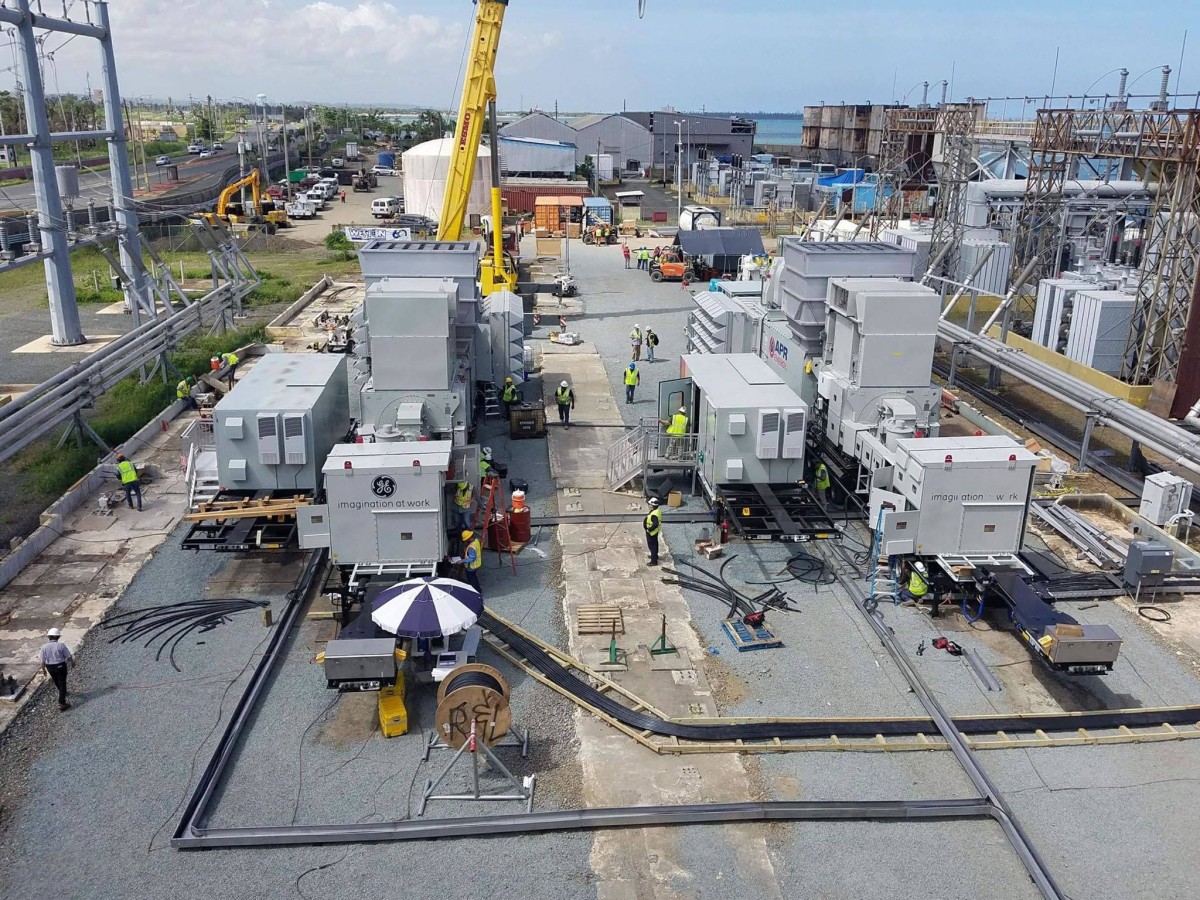
The Palo Seco Power Plant has significant economic and social implications for Puerto Rico.
Economic Benefits
The power plant provides jobs for over 500 people, both directly and indirectly. It also stimulates the local economy by purchasing goods and services from local businesses. The plant’s construction created thousands of jobs and brought in millions of dollars in investment.
Social Impacts
The power plant has had a mixed impact on nearby communities. Some residents have expressed concerns about the plant’s environmental impact, while others have welcomed the jobs and economic development it has brought to the area. The plant has also been a source of controversy, with some residents opposing its construction and operation.