
pH Up for Plants: Understanding the crucial role of pH levels in soil, their impact on nutrient availability, and how adjustments can enhance plant health and productivity.
Maintaining optimal pH levels is essential for thriving plant life. Soil pH, a measure of acidity or alkalinity, directly influences nutrient uptake, root development, and overall plant well-being. By understanding the causes of pH imbalances and the benefits of pH adjustment, gardeners can effectively manage soil conditions to maximize plant growth and yield.
Understanding pH Levels
The pH level of soil is a crucial factor that significantly influences plant growth and nutrient availability. It measures the acidity or alkalinity of the soil on a scale of 0 to 14, with 7 being neutral. Most plants thrive in a slightly acidic to neutral pH range between 6.0 and 7.0.
The pH level affects the solubility and availability of essential nutrients in the soil. For instance, in acidic soils (pH below 7), nutrients like iron, manganese, and aluminum become more soluble and accessible to plants. In contrast, in alkaline soils (pH above 7), these nutrients become less soluble, potentially leading to nutrient deficiencies in plants.
Examples of Plants with pH Preferences
- Acid-loving plants prefer acidic soil conditions, such as blueberries, rhododendrons, and azaleas.
- Neutral-loving plants thrive in soils with a pH close to 7, including most vegetables, flowers, and grasses.
- Alkaline-tolerant plants can tolerate higher pH levels, such as alfalfa, asparagus, and lavender.
Causes of pH Imbalances

Soil pH imbalances can arise due to various factors, affecting plant health and nutrient availability. Understanding the causes helps in implementing preventive measures and corrective actions.
Over-fertilization
Excessive application of fertilizers can disrupt soil pH levels. Nitrogen-based fertilizers, commonly used to promote plant growth, can increase soil acidity. Conversely, excessive use of lime-based fertilizers can raise soil pH, making it more alkaline.
Improper Watering Practices
Inconsistent watering can also contribute to pH imbalances. Overwatering can leach essential nutrients from the soil, lowering pH levels. Conversely, infrequent watering can lead to salt accumulation, raising soil pH.
Natural Soil Conditions
The natural composition of soil can influence its pH level. Soils derived from acidic parent materials, such as granite, tend to be acidic. In contrast, soils formed from alkaline materials, such as limestone, are naturally alkaline.
Benefits of pH Adjustment: Ph Up For Plants
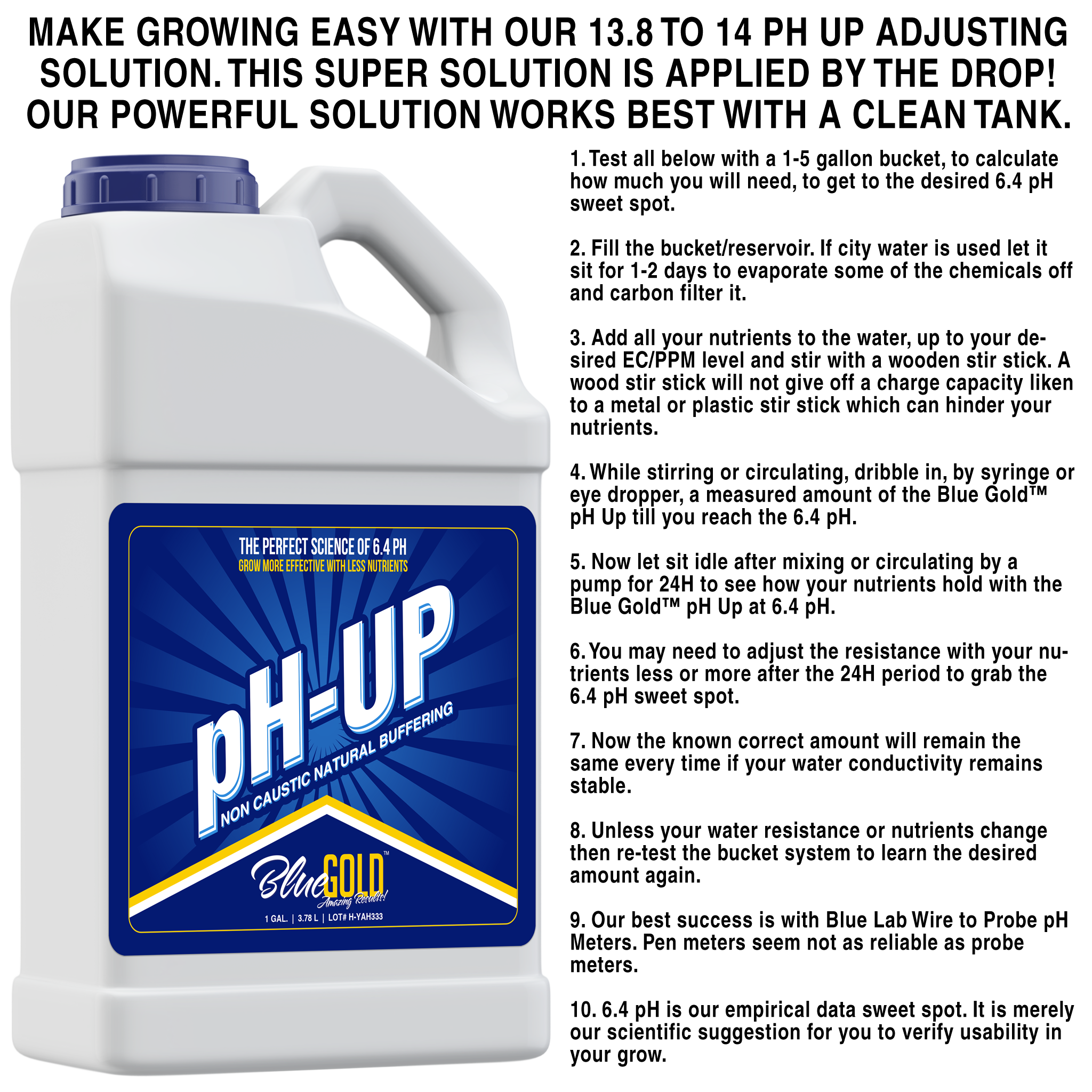
Adjusting pH levels to the optimal range for plants offers numerous benefits, including enhanced nutrient uptake, improved root development, and overall plant health. These improvements result in increased growth, yield, and resistance to pests and diseases.
Nutrient Uptake
pH adjustment optimizes the availability of nutrients in the soil solution. At the optimal pH, essential nutrients like nitrogen, phosphorus, and potassium are more readily available for plant roots to absorb. This increased nutrient uptake leads to improved plant growth, vigor, and productivity.
Root Development
pH also plays a crucial role in root development. The optimal pH range for most plants allows for the formation of healthy, extensive root systems. Strong roots anchor plants firmly in the soil, improve water and nutrient uptake, and enhance the plant’s ability to withstand environmental stresses.
Overall Plant Health
By adjusting pH levels to the optimal range, plants experience improved overall health and resistance to pests and diseases. A balanced pH environment promotes beneficial microbial activity in the soil, which aids in nutrient cycling and disease suppression. Healthy plants with strong root systems and optimal nutrient uptake are better equipped to withstand pests and diseases.
Specific Examples, Ph up for plants
Numerous studies and real-life applications have demonstrated the positive effects of pH adjustment on plant growth and yield. In greenhouse experiments, adjusting the pH of nutrient solutions has led to significant increases in plant height, biomass, and yield in various crops, including tomatoes, cucumbers, and lettuce.
In field trials, adjusting soil pH has improved crop yields and quality in a wide range of agricultural settings. For example, in cornfields, adjusting the pH to the optimal range has resulted in increased yields of up to 20%. In vineyards, pH adjustment has improved grape quality and wine production.
