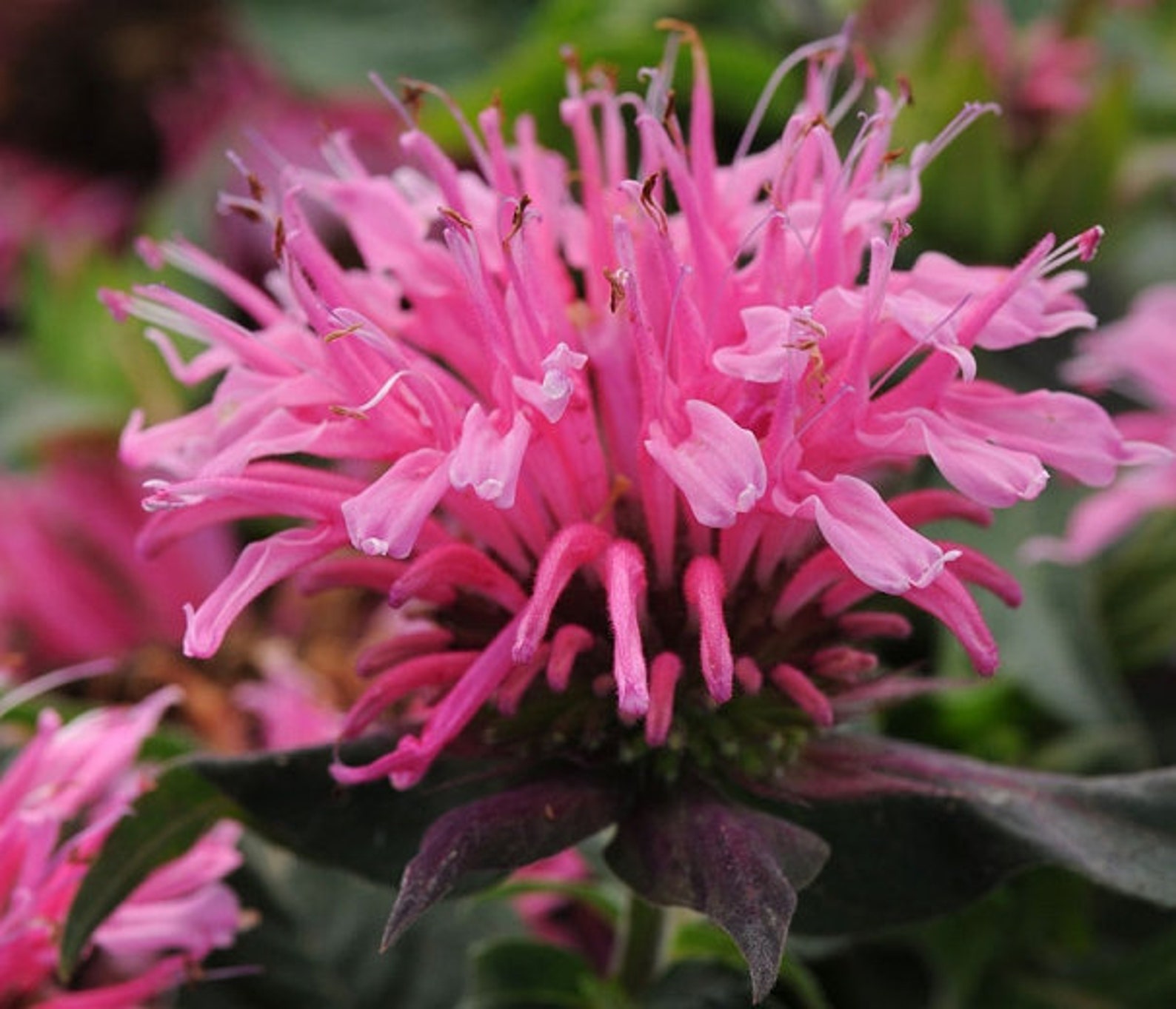
The pink bee balm plant, a member of the mint family, is a captivating addition to any garden, offering both beauty and practical uses. Its vibrant blooms attract pollinators, while its leaves and flowers hold medicinal and culinary value.
This versatile plant is easy to cultivate, making it an ideal choice for both experienced and novice gardeners. Its adaptability to various soil conditions and sunlight levels ensures successful growth in a range of environments.
Plant Characteristics and Cultivation: Pink Bee Balm Plant
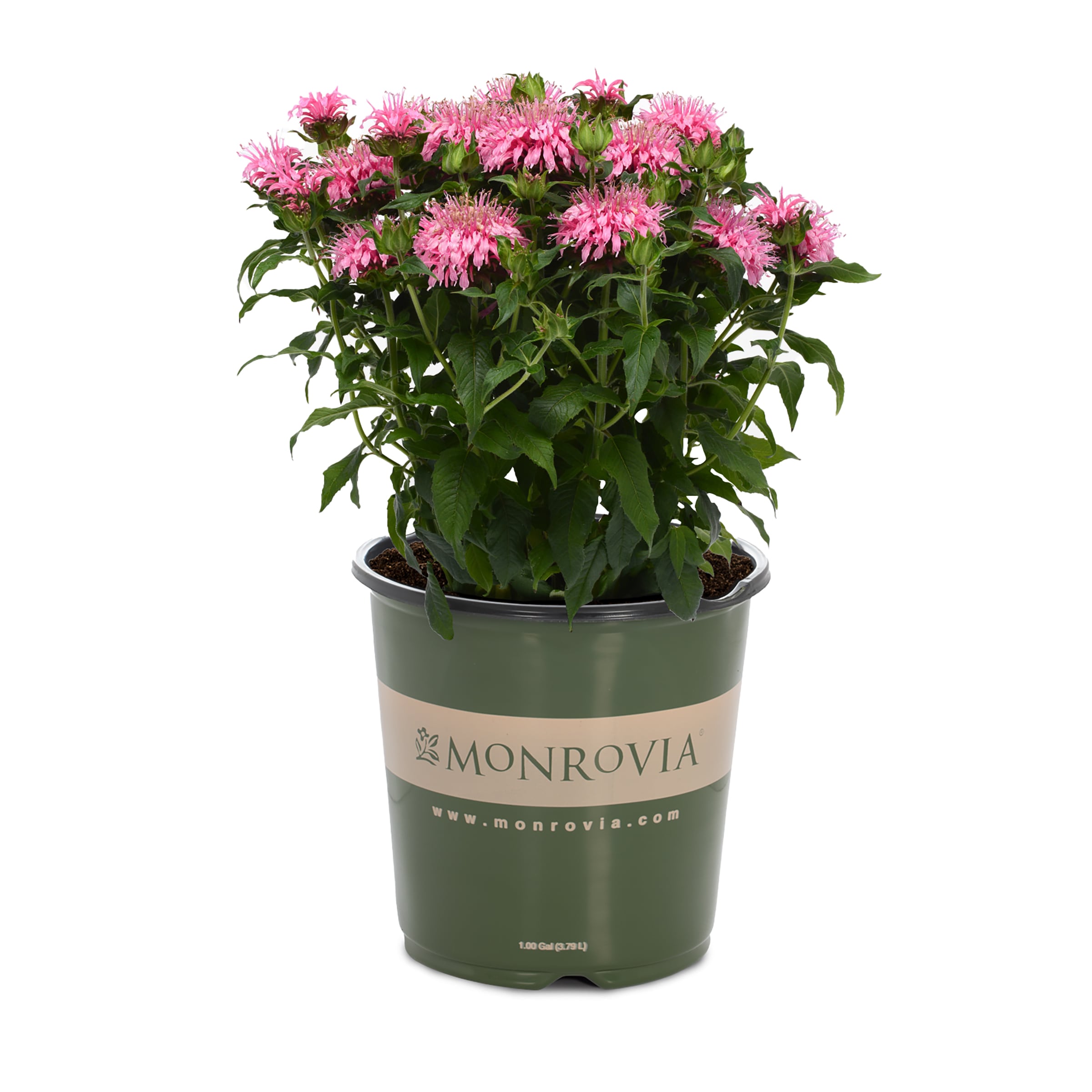
Pink bee balm (Monarda didyma) is a striking perennial that brings a vibrant touch to gardens and attracts pollinators. Its upright stems and showy flower heads make it a favorite for both ornamental and ecological purposes.
The plant typically grows to a height of 2-4 feet, with a spread of 1-2 feet. Its leaves are lance-shaped, with serrated edges and a slightly hairy texture. During the summer months, it produces clusters of showy, tubular flowers that range in color from light pink to deep magenta. These flowers are a magnet for bees, butterflies, and other pollinating insects.
Cultivation and Care
Pink bee balm is relatively easy to grow and care for, making it a suitable choice for both experienced and novice gardeners. Here are some tips for cultivating and caring for this plant:
- Soil: Pink bee balm prefers well-drained, fertile soil with a pH range of 6.5-7.5. It can tolerate a wide range of soil types, but it will thrive in soil that is rich in organic matter.
- Sunlight: This plant prefers full sun to partial shade. It will tolerate full shade, but it may not produce as many flowers.
- Watering: Pink bee balm requires regular watering, especially during hot, dry weather. Water the plant deeply and allow the soil to dry out slightly before watering again.
- Fertilizing: Fertilize pink bee balm once a month during the growing season with a balanced fertilizer.
Propagation, Pink bee balm plant
Pink bee balm can be propagated through division, cuttings, or seeds. Division is the easiest method, and it can be done in the spring or fall. To divide the plant, simply dig it up and divide the root ball into several smaller sections. Each section should have at least three or four stems.
Cuttings can also be used to propagate pink bee balm. To take cuttings, cut a 4-6 inch stem from a healthy plant. Remove the leaves from the bottom of the stem and dip the end in rooting hormone. Plant the cutting in a pot filled with moist potting mix and keep it in a warm, sunny location. The cutting should root within 4-6 weeks.
Pink bee balm can also be propagated from seed. Sow the seeds in a pot filled with moist potting mix and keep it in a warm, sunny location. The seeds should germinate within 10-14 days.
Medicinal and Culinary Uses

Pink bee balm has a rich history of medicinal and culinary applications. Traditionally, Native American tribes utilized it to treat various ailments, including respiratory issues, digestive problems, and skin infections.
Modern research has shed light on the plant’s potential health benefits, attributed to its bioactive compounds. These include:
- Anti-inflammatory properties: Pink bee balm contains rosmarinic acid, a potent anti-inflammatory agent that may help alleviate conditions like arthritis and asthma.
- Antioxidant activity: The plant is rich in antioxidants, which protect cells from damage caused by free radicals, reducing the risk of chronic diseases.
- Antimicrobial effects: Pink bee balm extracts have shown antimicrobial activity against various bacteria and fungi, making it a potential natural remedy for infections.
Culinary Applications
Beyond its medicinal uses, pink bee balm has culinary applications as well. Its leaves and flowers are edible and can be used in various ways:
- Teas: Pink bee balm leaves can be steeped in hot water to make a refreshing and aromatic tea. It has a slightly minty flavor and is believed to have calming and digestive benefits.
- Tinctures: Tinctures are concentrated extracts made by steeping the plant in alcohol. Pink bee balm tinctures can be used as a natural remedy for various ailments, including anxiety and insomnia.
- Flavoring agent: The leaves and flowers of pink bee balm can be added to salads, soups, and other dishes to enhance their flavor. They have a slightly minty, slightly spicy taste that complements both sweet and savory dishes.
Nutritional Value and Safety
Pink bee balm is a nutrient-rich plant that contains vitamins, minerals, and antioxidants. It is a good source of:
- Vitamin C
- Vitamin A
- Iron
- Calcium
- Potassium
While pink bee balm is generally safe to consume, it is essential to use it in moderation. Excessive consumption may lead to side effects such as nausea, vomiting, or skin irritation.
Landscape Applications and Companion Planting
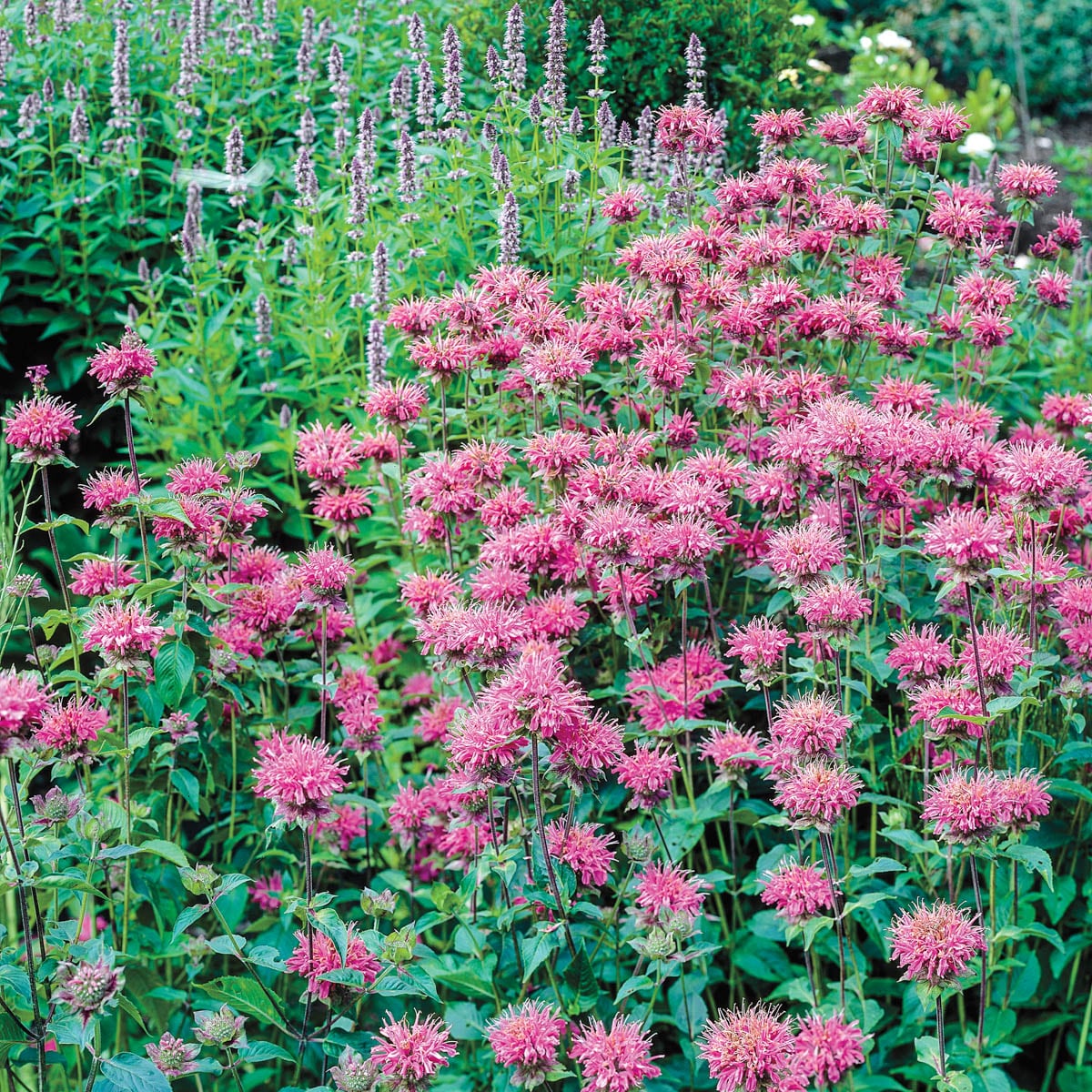
Pink bee balm is an attractive and versatile plant that can enhance the beauty of any garden or landscape. Its vibrant pink flowers and upright stems create a striking visual impact, making it an excellent choice for borders, cottage gardens, and pollinator gardens. The plant’s compact size and easy-care nature make it suitable for small spaces and beginner gardeners alike.
Companion Planting
Pink bee balm benefits from companion planting with other species that complement its growth and appearance. Some suitable companions include:
– Salvia species: Salvias, such as scarlet sage and black and blue sage, share similar growing requirements and bloom in complementary colors, creating a harmonious display.
– Echinacea: Echinacea, commonly known as coneflower, attracts pollinators and adds height and structure to the garden.
– Yarrow: Yarrow is a low-growing perennial that produces clusters of yellow flowers and helps repel pests.
– Goldenrod: Goldenrod attracts butterflies and other beneficial insects and adds a touch of golden color to the late summer garden.
Garden Layout
Pink bee balm can be incorporated into various garden layouts to create different effects:
– Mass planting: Planting pink bee balm in large groups creates a stunning visual impact and attracts pollinators.
– Borders: The plant’s upright habit makes it an excellent choice for lining pathways or creating borders around flower beds.
– Mixed beds: Pink bee balm can be interplanted with other perennials and annuals to create a diverse and colorful display.
– Containers: Pink bee balm can be grown in containers on patios or balconies, providing a splash of color and attracting pollinators.