The pink rosea ice plant, a succulent with remarkable adaptability, invites us on a journey of discovery into its botanical wonders, cultural significance, and practical applications. Its unique characteristics and versatility make it a captivating subject for exploration.
This ice plant boasts a captivating array of physical attributes, including its succulent nature, vibrant pink blooms, and ability to thrive in diverse environments. Its cultural significance varies across regions, with some associating it with purity and others with resilience.
Pink Rosea Ice Plant Overview

The pink rosea ice plant, scientifically classified as Aptenia cordifolia, is a succulent groundcover native to South Africa. Its creeping stems, adorned with small, heart-shaped leaves, form dense mats that spread rapidly, creating a carpet of vibrant pink or purple hues. The ice plant derives its name from the glistening, ice-like vesicles that cover its foliage, giving it a shimmering appearance under sunlight.
This versatile plant thrives in well-drained soils and tolerates drought conditions, making it a popular choice for xeriscaping and low-maintenance landscapes. Its adaptability extends to a wide range of environments, from coastal regions to inland gardens.
Cultural Significance, Pink rosea ice plant
In South Africa, the pink rosea ice plant is considered a symbol of love and fidelity. It is often used in traditional wedding ceremonies and is believed to bring good luck to newlyweds. In other regions, the ice plant is associated with prosperity and abundance due to its rapid growth and prolific flowering.
Cultivation and Care of Pink Rosea Ice Plant
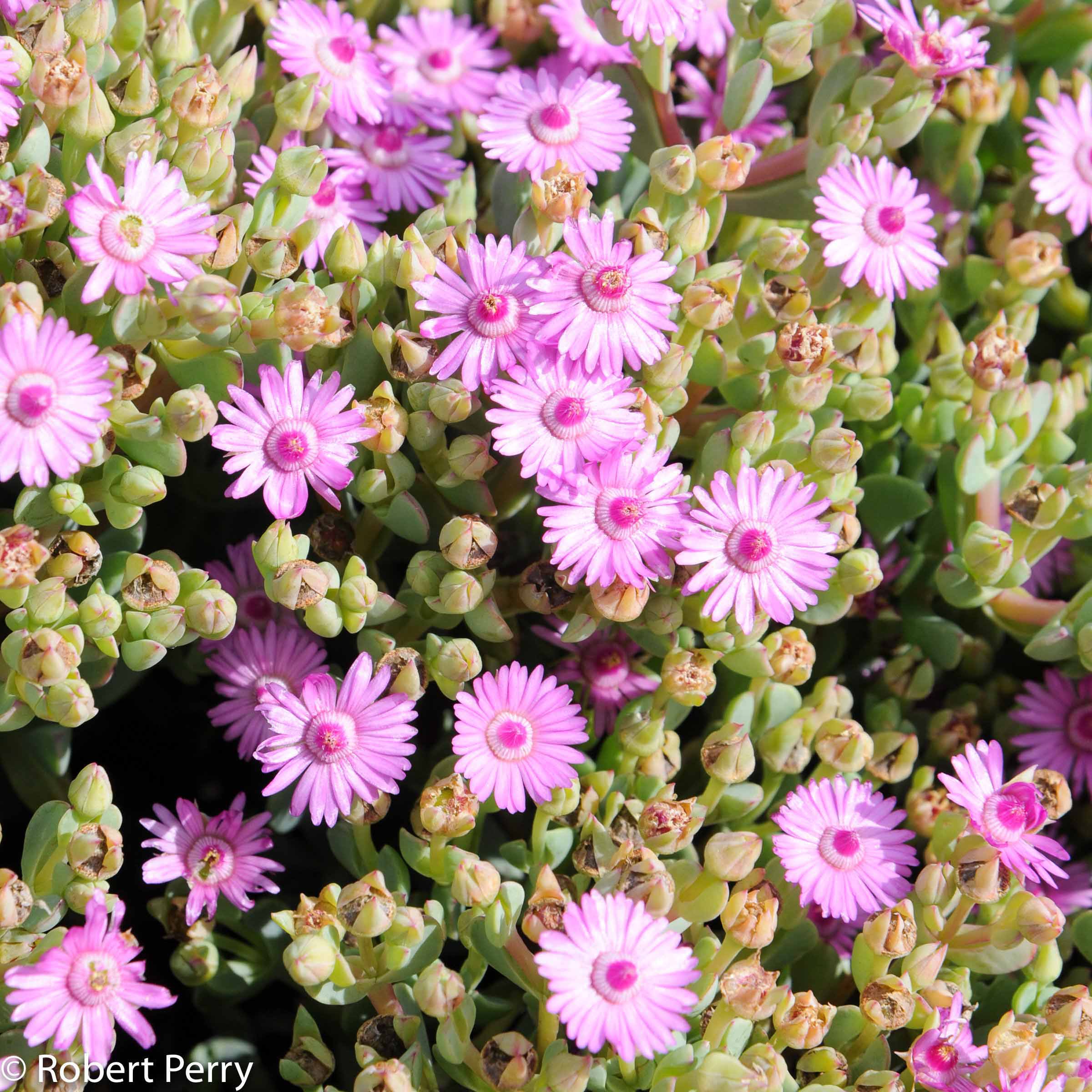
The cultivation of Pink Rosea Ice Plant requires specific conditions to ensure optimal growth and well-being.
Soil Preparation
The ideal soil for Pink Rosea Ice Plant is well-drained, sandy, and slightly alkaline with a pH range between 6.0 and 8.0. Good drainage is crucial to prevent root rot. Consider amending the soil with organic matter such as compost or peat moss to enhance fertility and water retention.
Watering Requirements
Pink Rosea Ice Plant is drought-tolerant and requires infrequent watering. Allow the soil to dry out completely between waterings, especially during the summer months. Overwatering can lead to root rot and other problems.
Sunlight Exposure
This plant thrives in full sun to partial shade. Provide at least six hours of direct sunlight per day for optimal growth and flowering. In areas with intense sunlight, afternoon shade may be beneficial to prevent scorching.
Propagation
Pink Rosea Ice Plant can be propagated through cuttings or seeds.
Cuttings:
– Take cuttings from healthy stems in the spring or fall.
– Remove the lower leaves and dip the cut end in rooting hormone.
– Plant the cutting in a well-draining potting mix and keep it moist.
– Roots should develop within a few weeks.
Seeds:
– Sow seeds in a seed tray filled with a well-draining seed starting mix.
– Keep the soil moist and provide bottom heat.
– Seeds should germinate within 10-14 days.
– Transplant seedlings into individual pots once they have developed a few true leaves.
Pest and Disease Management
Pink Rosea Ice Plant is generally pest and disease resistant. However, it can occasionally be affected by aphids, mealybugs, or fungal diseases such as powdery mildew.
Aphids and Mealybugs:
– Use insecticidal soap or neem oil to control these pests.
Powdery Mildew:
– Treat with a fungicide containing sulfur or neem oil.
– Improve air circulation around the plant to prevent the spread of the disease.
Uses and Applications of Pink Rosea Ice Plant

The pink rosea ice plant offers a diverse range of medicinal, culinary, and ornamental uses. Its succulent leaves and flowers have been traditionally employed for their therapeutic properties, while its attractive appearance and drought tolerance make it a popular choice in landscaping and gardening.
Medicinal Properties
The pink rosea ice plant possesses anti-inflammatory, antimicrobial, and antioxidant properties. Traditional healers have used its extracts to treat skin conditions such as burns, wounds, and eczema. It is also believed to have diuretic and laxative effects, aiding in digestion and urinary tract health.
Culinary Applications
The succulent leaves and flowers of the pink rosea ice plant are edible and offer a slightly salty and tangy flavor. They are often used as a garnish or ingredient in salads, adding a refreshing and flavorful touch. The leaves can also be pickled or used as a flavoring agent in sauces and marinades.
Ornamental Value
The pink rosea ice plant is prized for its ornamental value in landscaping and gardening. Its dense, mat-forming growth habit and attractive pink flowers create a vibrant and eye-catching display. It is well-suited for rock gardens, groundcovers, and hanging baskets due to its drought tolerance and low maintenance requirements.