Plant based dog food – Plant-based dog food is gaining popularity as pet owners become increasingly aware of the health and environmental benefits of plant-based diets. This guide explores the ingredients, nutritional considerations, and transition strategies for feeding your dog a plant-based diet.
Plant-based dog food is made from a variety of plant-based ingredients, such as legumes, grains, fruits, and vegetables. These ingredients provide essential nutrients that dogs need for a healthy life, including protein, carbohydrates, fiber, and vitamins.
Plant-Based Dog Food Ingredients
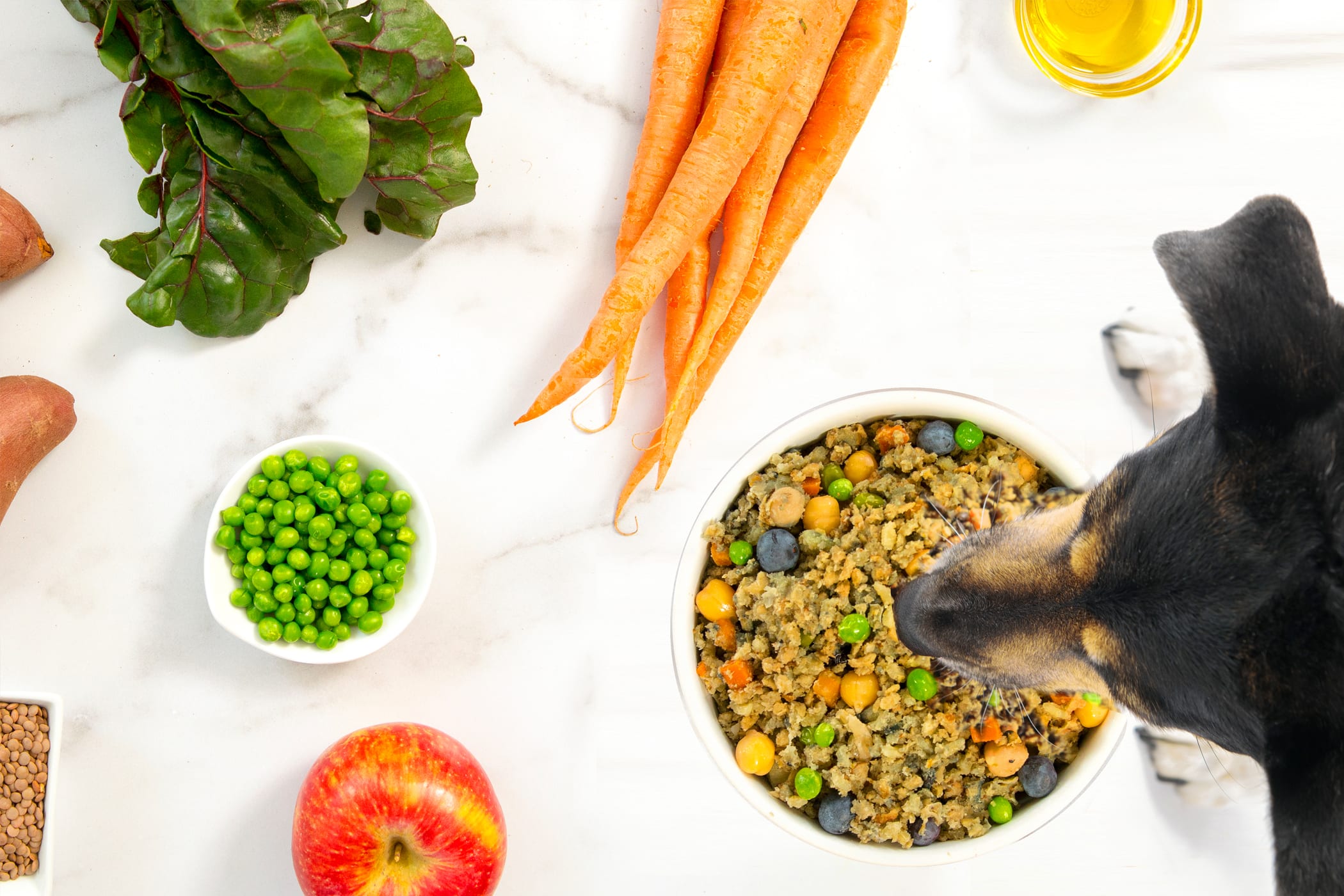
Plant-based dog food is an increasingly popular option for pet owners seeking healthier and more sustainable dietary choices for their furry companions. These diets are formulated using various plant-based ingredients that provide essential nutrients while excluding animal-derived products.
Types of Plant-Based Ingredients, Plant based dog food
- Legumes: Legumes such as lentils, beans, and peas are rich sources of protein, fiber, and essential vitamins and minerals. They provide the building blocks for muscle development and support a healthy digestive system.
- Grains: Grains like brown rice, quinoa, and oats provide carbohydrates for energy and fiber for digestive health. Whole grains are preferred as they contain the entire grain kernel, including the nutrient-rich bran and germ.
- Vegetables: Vegetables like carrots, broccoli, and sweet potatoes offer a wide range of vitamins, minerals, and antioxidants. They support overall health, boost the immune system, and provide essential phytonutrients.
- Fruits: Fruits like apples, blueberries, and bananas provide natural sweetness, vitamins, and fiber. They contribute to a healthy weight and support overall well-being.
- Plant-Based Proteins: Plant-based proteins such as soy, tofu, and tempeh are excellent sources of complete protein, providing all the essential amino acids necessary for muscle growth and repair.
Ensuring a balanced diet is crucial for dogs on plant-based diets. Owners should consult with a veterinarian to determine the optimal nutrient ratios and supplement any deficiencies as needed.
Nutritional Considerations for Plant-Based Dog Food

Plant-based dog food has gained popularity as an alternative to traditional meat-based diets. However, it’s essential to understand the unique nutritional considerations associated with this type of diet to ensure your dog’s health and well-being.
Essential Nutrients
Dogs require a range of essential nutrients, including protein, carbohydrates, fats, vitamins, and minerals. Plant-based sources can provide these nutrients, but it’s crucial to ensure that the food meets your dog’s specific dietary needs.
- Protein: Plant-based proteins, such as soy, lentils, and peas, can provide essential amino acids. However, some plant proteins are less digestible than animal proteins, so it’s important to choose high-quality sources.
- Carbohydrates: Plant-based carbohydrates, such as brown rice, quinoa, and oats, provide energy and fiber. Fiber is important for digestive health and can help regulate blood sugar levels.
- Fats: Plant-based fats, such as olive oil and flaxseed oil, provide essential fatty acids, including omega-3 and omega-6 fatty acids, which are important for skin and coat health.
- Vitamins and Minerals: Plant-based foods contain various vitamins and minerals, but some may be lower in certain nutrients than meat-based diets. It’s important to supplement with additional vitamins and minerals as needed.
Potential Nutritional Deficiencies
While plant-based dog food can provide essential nutrients, there are some potential nutritional deficiencies to be aware of:
- Vitamin B12: Vitamin B12 is primarily found in animal products. Dogs on a plant-based diet may need to be supplemented with this vitamin.
- Taurine: Taurine is an amino acid that is essential for heart and eye health. While some plant-based foods contain taurine, it’s generally lower than in meat-based diets.
- L-Carnitine: L-Carnitine is an amino acid that is involved in energy metabolism. It’s primarily found in animal products, so supplementation may be necessary for dogs on a plant-based diet.
Supplementation Recommendations
To address potential nutritional deficiencies, it’s recommended to supplement plant-based dog food with the following:
- Vitamin B12: A vitamin B12 supplement can be added to the food or water.
- Taurine: Taurine supplements are available in powder or capsule form.
- L-Carnitine: L-Carnitine supplements can be added to the food or water.
It’s important to consult with a veterinarian before making any changes to your dog’s diet, including switching to a plant-based diet. They can provide personalized recommendations and ensure your dog’s nutritional needs are met.
Transitioning Dogs to Plant-Based Food: Plant Based Dog Food
Transitioning dogs from traditional to plant-based food requires a gradual approach to avoid digestive upset. Here’s a step-by-step plan and tips to ensure a smooth transition:
Step-by-Step Transition Plan
- Start with a small amount: Mix 10% plant-based food with 90% traditional food for a few days.
- Gradually increase the ratio: Over the next week, gradually increase the plant-based food to 25%, then 50%, and so on.
- Monitor your dog’s response: Watch for any signs of digestive issues, such as vomiting, diarrhea, or gas.
- Adjust as needed: If your dog experiences any digestive problems, slow down the transition process or consult with a veterinarian.
- Complete the transition: Once your dog is comfortable with 100% plant-based food, you can fully transition them.
Potential Digestive Issues and Management
Some dogs may experience digestive issues during the transition due to changes in fiber and protein content. Here’s how to manage these issues:
- Fiber: Plant-based foods are typically higher in fiber than traditional foods. Start with a small amount and gradually increase it to avoid gas and bloating.
- Protein: Plant-based proteins are less digestible than animal proteins. Ensure the plant-based food you choose provides a high-quality protein source and consider adding a protein supplement if necessary.
- Probiotics: Probiotics can help support a healthy digestive system. Add a probiotic supplement to your dog’s diet or offer fermented foods like plain yogurt.
- Consult a veterinarian: If your dog experiences severe digestive issues, consult with a veterinarian to rule out any underlying health conditions.
Tips for a Smooth Transition
- Use high-quality plant-based food: Choose a food specifically formulated for dogs and avoid foods with added sugars, artificial flavors, or preservatives.
- Offer plenty of water: Keep your dog well-hydrated during the transition, as plant-based foods can be more thirst-inducing.
- Be patient: Transitioning your dog to a new diet takes time. Be patient and observe your dog’s response carefully.
- Consider consulting with a veterinarian: A veterinarian can provide guidance and support during the transition and address any specific concerns you may have.