
Plant clover in fall – Discover the benefits of planting clover in fall and how it can enhance your garden’s soil health and beauty. From nitrogen fixation to erosion control, clover offers a range of advantages for your landscape.
In this comprehensive guide, we’ll delve into the unique characteristics of clover plants, explore the optimal time frame for fall planting, and provide expert tips on post-planting care and maintenance. Embrace the versatility of clover and unlock its potential for a thriving garden ecosystem.
Plant Biology and Benefits
Clover plants belong to the genus Trifolium and are known for their unique characteristics and adaptations. They possess trifoliate leaves, consisting of three leaflets, and produce distinctive flower heads that vary in color depending on the species. Clovers have a remarkable ability to fix atmospheric nitrogen through a symbiotic relationship with bacteria in their root nodules, converting it into a usable form for plants.
This nitrogen-fixing capability makes clovers valuable in agriculture as they can enrich the soil, reducing the need for synthetic fertilizers. They also contribute to improved soil structure and water retention, promoting healthy plant growth and overall ecosystem resilience.
Clover Species Suitable for Fall Planting
Several clover species are well-suited for fall planting, offering specific benefits depending on the desired application.
- White Clover (Trifolium repens): A versatile and adaptable species, white clover tolerates various soil conditions and provides excellent ground cover. It is a good choice for lawns, pastures, and erosion control.
- Red Clover (Trifolium pratense): Known for its tall, upright growth habit, red clover is a valuable forage crop for livestock. It is also beneficial for soil improvement and can be incorporated into crop rotations to enhance soil fertility.
- Crimson Clover (Trifolium incarnatum): A cool-season annual, crimson clover is primarily used as a cover crop to improve soil health. It produces a dense mat of vegetation that suppresses weeds, fixes nitrogen, and adds organic matter to the soil.
Fall Planting Techniques
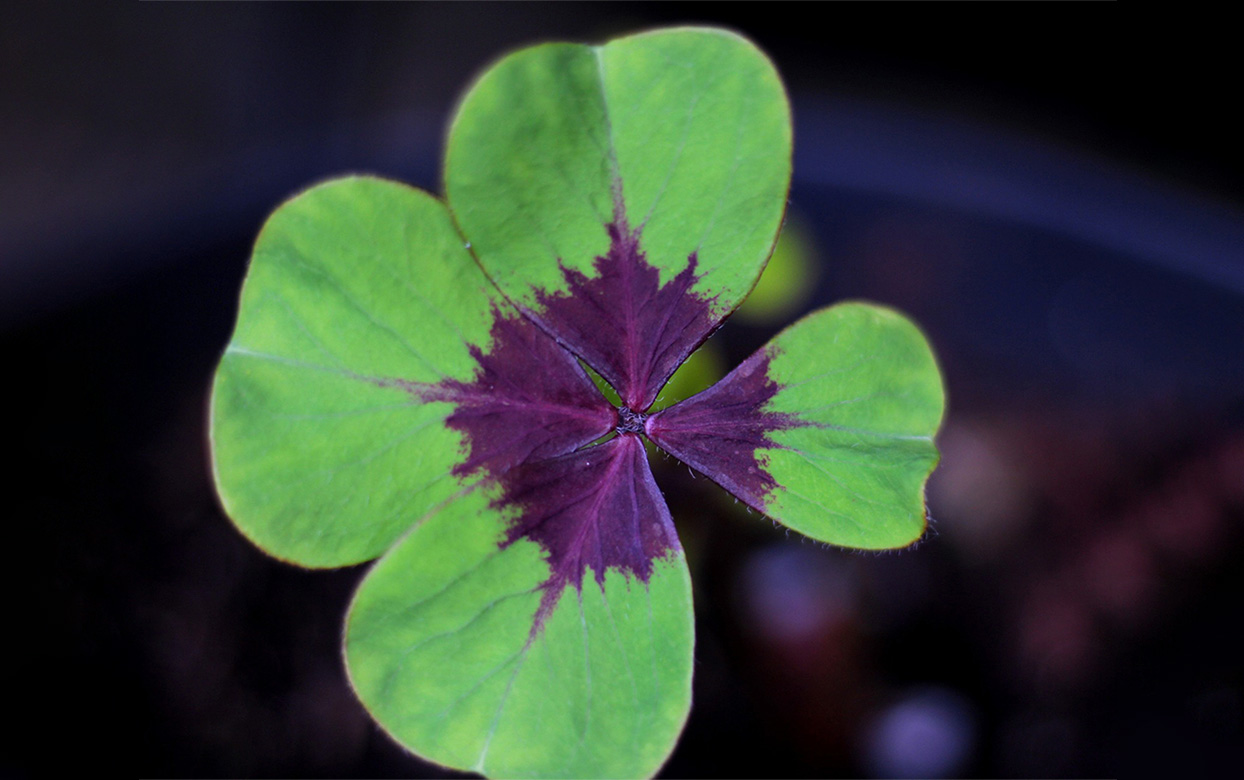
Fall is an ideal time to plant clover due to the moderate temperatures and ample moisture. By following the right techniques, you can establish a healthy clover patch that will thrive through the winter and into the following spring.
Soil Preparation
Clover prefers well-drained soil with a pH between 6.5 and 7.0. Before planting, test your soil to determine its pH and make adjustments as necessary. To raise the pH, add lime, while sulfur can be added to lower it.
Prepare the soil by removing weeds and tilling it to a depth of 6-8 inches. This will loosen the soil and create a favorable environment for seed germination.
Seed Sowing
Clover seeds are small and should be sown shallowly. Broadcast the seeds evenly over the prepared soil and lightly rake them in to cover them with about 1/4 inch of soil.
The spacing between seeds depends on the type of clover you are planting. For example, white clover should be spaced about 2 inches apart, while red clover can be spaced 4-6 inches apart.
After sowing, water the area thoroughly to settle the seeds into the soil.
Post-Planting Care and Maintenance: Plant Clover In Fall

Post-planting care is crucial to ensure the healthy growth and establishment of clover plants. Proper watering, fertilization, mulching, and weed and pest management are essential practices to promote optimal clover growth.
Watering
Clover plants require regular watering, especially during the first few weeks after planting. Water deeply and infrequently, allowing the soil to dry out slightly between waterings. Overwatering can lead to root rot and other problems.
Fertilization
Clover plants are nitrogen fixers, meaning they can convert atmospheric nitrogen into a form that is usable by plants. Therefore, they do not typically require additional nitrogen fertilization. However, if the soil is particularly poor, a light application of a balanced fertilizer can be beneficial.
Mulching
Mulching around clover plants is highly beneficial. A layer of mulch helps to retain moisture, suppress weeds, and regulate soil temperature. Organic mulches, such as straw, compost, or shredded leaves, are ideal.
Weed and Pest Management, Plant clover in fall
Weeds can compete with clover plants for water, nutrients, and sunlight. Regular weeding is important to keep weeds under control. Pests, such as aphids or spider mites, can also affect clover plants. Monitor plants regularly for pests and treat them promptly with appropriate organic or chemical controls.
