Step into the fascinating world of plant tissue culture, where plants are nurtured and propagated in the confines of a test tube. Plant in a test tube unveils the intricate techniques and applications of this groundbreaking technology, offering a glimpse into the future of plant science.
This technology empowers scientists to manipulate and regenerate plant cells, tissues, and organs, paving the way for advancements in agriculture, horticulture, and biotechnology.
In Vitro Plant Culture Techniques

Plant tissue culture, also known as in vitro culture, is a technique used to grow plant cells, tissues, or organs in a controlled environment outside of the intact plant. This method provides a means to study plant growth and development, manipulate genetic traits, and produce disease-free plants.
In plant tissue culture, various types of plant tissues can be used as explants, including shoot tips, root tips, leaves, stems, and even whole plants. These explants are carefully selected and surface-sterilized to prevent contamination before being introduced into a sterile culture medium.
Different Types of Culture Media, Plant in a test tube
The culture medium used in plant tissue culture typically contains essential nutrients, growth regulators, and solidifying agents. The composition of the medium is tailored to the specific requirements of the plant species and the desired outcome of the culture.
- Murashige and Skoog (MS) medium: A widely used general-purpose medium suitable for a broad range of plant species.
- Woody Plant Medium (WPM): Specifically formulated for woody plants, containing higher levels of nitrogen and potassium.
- Gamborg’s B5 medium: Rich in vitamins and amino acids, often used for callus induction and suspension cultures.
Methods for Establishing and Maintaining Plant Cell and Tissue Cultures
The establishment and maintenance of plant cell and tissue cultures involve several key steps:
- Explant selection and preparation: Suitable explants are selected from healthy plants and surface-sterilized to remove contaminants.
- Culture initiation: Explants are placed on a culture medium in a sterile environment, such as a laminar flow hood or tissue culture room.
- Culture maintenance: Cultures are regularly transferred to fresh medium to provide nutrients and prevent contamination. Environmental conditions such as temperature, light, and humidity are carefully controlled.
- Subculturing: As cultures grow and expand, they are subcultured by dividing and transferring healthy tissues to new culture vessels.
Plant Regeneration and Micropropagation: Plant In A Test Tube
Plant regeneration in vitro involves the development of whole plants from various plant tissues, such as callus, cell suspension, and shoot tip cultures. This technique plays a crucial role in plant micropropagation, allowing for the rapid multiplication of genetically identical plants.
- Callus Culture: Callus refers to an unorganized mass of cells that can be induced to form from plant explants. It serves as a source of cells for plant regeneration. When callus is transferred to a medium containing specific plant growth regulators, it can differentiate and develop into shoots and roots, giving rise to whole plants.
- Cell Suspension Culture: Cell suspension cultures consist of individual cells or small cell clusters that are grown in liquid media. These cultures can be used for plant regeneration through a process known as somatic embryogenesis. Under specific conditions, cells in the suspension culture undergo a series of developmental stages, eventually forming somatic embryos that can develop into complete plants.
- Shoot Tip Culture: Shoot tip culture involves the isolation of shoot tips from donor plants and culturing them on a nutrient-rich medium. The shoot tips have the potential to develop into complete plants through a process called axillary bud proliferation. This technique is particularly useful for the micropropagation of plants that produce multiple shoots from a single explant.
The efficiency of plant regeneration is influenced by several factors, including the choice of explant, the composition of the culture medium, and the environmental conditions. Optimizing these factors is crucial for successful plant micropropagation.
Plant micropropagation techniques have been successfully applied to a wide range of plant species, including ornamentals, fruit trees, and vegetables. These techniques have revolutionized the horticulture industry, enabling the mass production of high-quality plants in a controlled environment.
Applications of Plant Tissue Culture
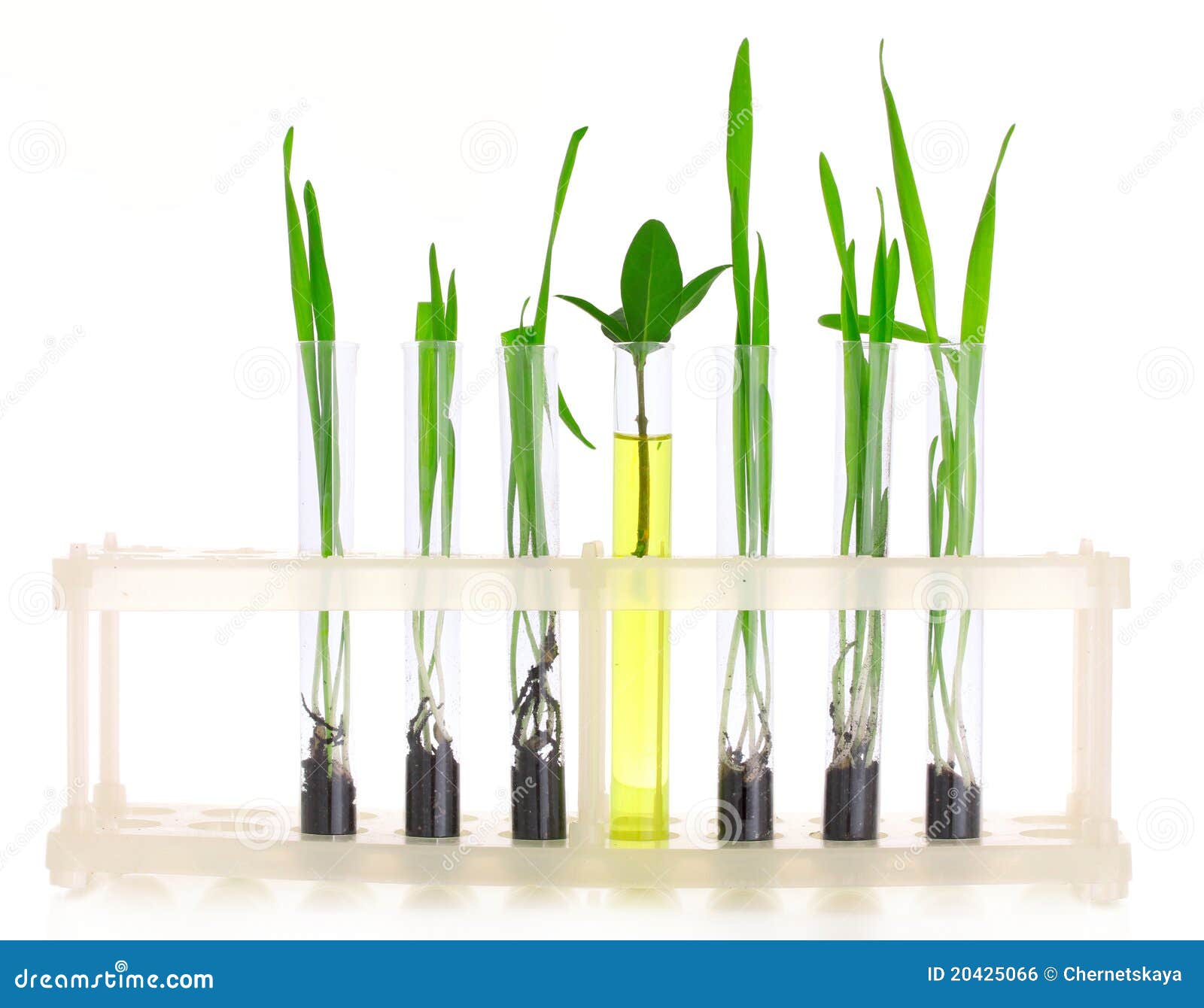
Plant tissue culture has revolutionized the field of plant science, enabling the production of disease-free plants, genetic engineering, and a wide range of commercial applications.
Production of Disease-free Plants
Tissue culture techniques allow for the propagation of plants from disease-free stock, eliminating the risk of contamination and ensuring the production of healthy plants. This is particularly important for crops that are susceptible to viral, bacterial, or fungal diseases.
Plant Genetic Engineering and Biotechnology
Tissue culture provides a platform for genetic engineering and biotechnology, enabling the manipulation of plant genes to improve traits such as disease resistance, yield, and nutritional value. This technology has led to the development of genetically modified crops that are resistant to pests, herbicides, and environmental stresses.
Commercial Applications
Plant tissue culture has numerous commercial applications, including:
- Pharmaceuticals: Production of valuable plant-derived compounds for use in medicines, such as anticancer agents and antibiotics.
- Food Additives: Production of natural flavors, colors, and sweeteners for use in food and beverage industries.
- Biofuels: Development of bioenergy crops with high biomass yield and reduced environmental impact.