Introducing the plant stand 2 tier, a versatile and stylish solution for showcasing your beloved greenery. With its dual tiers, this stand offers ample space for displaying plants, optimizing space, and creating a captivating focal point in any room.
Crafted from durable materials such as metal, wood, or plastic, plant stands come in a variety of styles to complement different home decors. From traditional to modern and rustic, there’s a plant stand 2 tier to match every taste and preference.
Plant Stand Design

A 2-tier plant stand typically consists of two levels, one placed above the other, supported by a sturdy frame. The frame can be made from various materials, such as metal, wood, or plastic, each offering unique advantages and disadvantages.
Materials Used
- Metal: Metal stands are durable, sturdy, and can withstand heavy pots. They are also weather-resistant, making them suitable for both indoor and outdoor use. However, metal stands can be more expensive and prone to rust if not properly coated.
- Wood: Wooden stands add a natural and rustic touch to any space. They are lightweight, easy to assemble, and can be painted or stained to match any décor. However, wooden stands are not as durable as metal stands and can be susceptible to rot and insect damage if not properly treated.
- Plastic: Plastic stands are lightweight, affordable, and easy to clean. They are also resistant to moisture and fading, making them ideal for outdoor use. However, plastic stands may not be as sturdy as metal or wood stands and can be prone to cracking or breaking.
Tier Height and Spacing
The height and spacing of the tiers in a plant stand significantly impact plant placement and overall aesthetics. Taller tiers allow for larger plants to be displayed prominently, while shorter tiers can accommodate smaller plants or trailing vines. The spacing between the tiers determines how many plants can be placed on the stand and how easily they can be accessed for watering and maintenance.
When choosing a 2-tier plant stand, consider the size and type of plants you intend to display. A stand with taller tiers and wider spacing is ideal for large, upright plants, while a stand with shorter tiers and closer spacing is better suited for smaller plants or trailing vines.
Functionality and Features: Plant Stand 2 Tier

A 2-tier plant stand serves the primary purpose of elevating and displaying plants, optimizing space while adding aesthetic appeal to any home environment. Its tiered design allows for vertical arrangement, accommodating multiple plants without cluttering the floor or windowsills.
Additional features enhance the functionality of a 2-tier plant stand:
Adjustable Tiers, Plant stand 2 tier
Adjustable tiers provide flexibility in accommodating plants of various heights. Taller plants can be placed on the lower tier, while shorter plants or trailing varieties can be displayed on the upper tier, ensuring optimal light exposure and visibility.
Casters
Casters provide mobility to the plant stand, making it easy to move around for cleaning, rearranging, or adjusting the position to optimize sunlight exposure for the plants.
Drainage Trays
Drainage trays collect excess water from watering, preventing damage to floors or carpets. They also allow for controlled watering, as excess water can be drained away, reducing the risk of root rot or overwatering.
Aesthetic Considerations
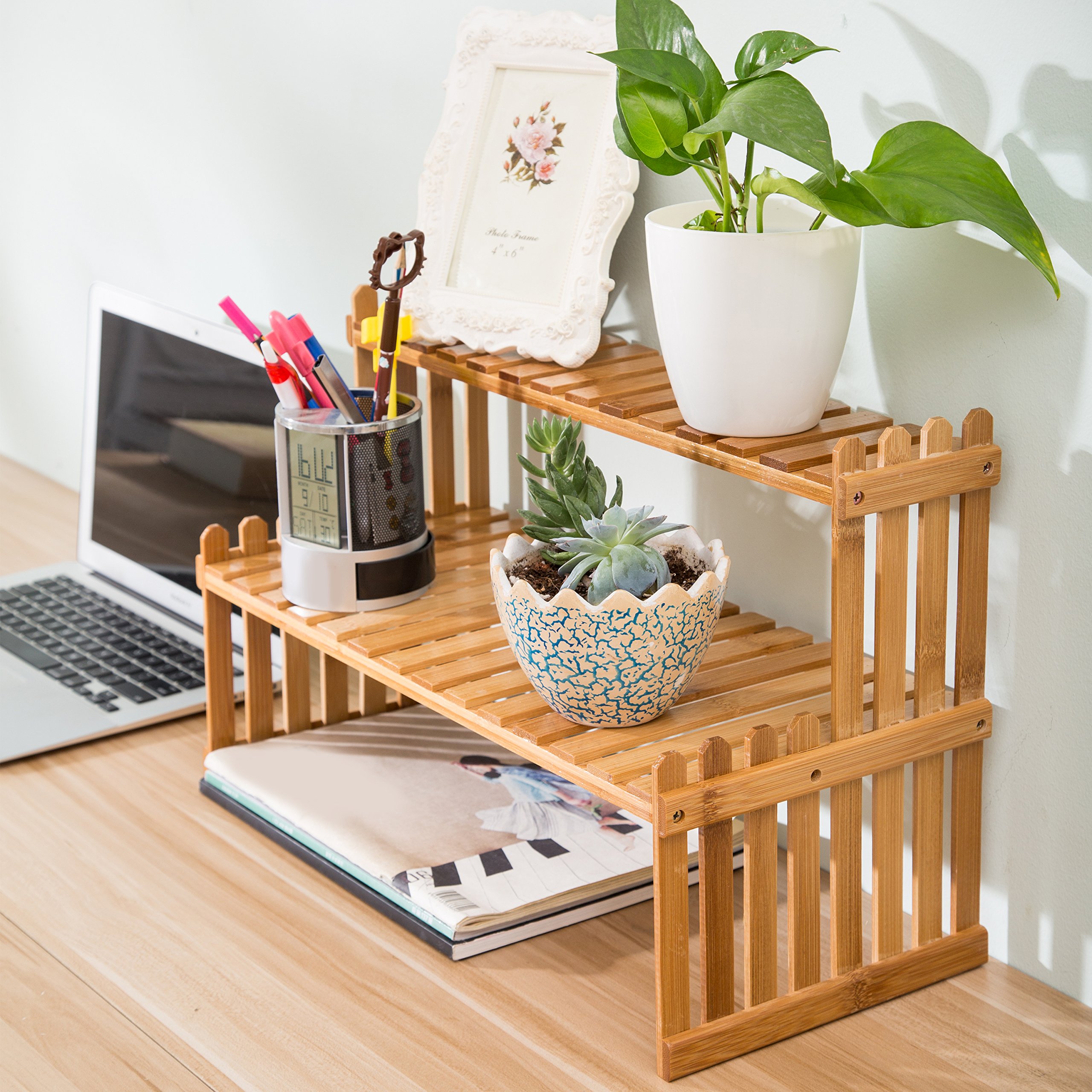
The aesthetic appeal of a 2-tier plant stand is a crucial factor to consider, as it can enhance the overall ambiance of your home. From traditional to modern and rustic, various styles are available to complement different home decor and plant varieties.
Style and Decor
The style of the plant stand should harmonize with the existing decor of your home. Traditional plant stands, often featuring intricate carvings and ornate designs, complement classic or vintage-inspired interiors. Modern plant stands, characterized by clean lines and minimalist aesthetics, suit contemporary homes. Rustic plant stands, crafted from natural materials like wood or metal, add a touch of warmth and charm to bohemian or farmhouse-style spaces.
Size, Shape, and Color
The size, shape, and color of the plant stand should be carefully considered in relation to the plants and surrounding space. A large plant stand with multiple tiers can accommodate a variety of plants, while a smaller stand is suitable for displaying a single specimen. The shape of the stand, whether round, square, or rectangular, should complement the form of the plants and the available space. The color of the stand should harmonize with the hues of the plants and the surrounding decor.