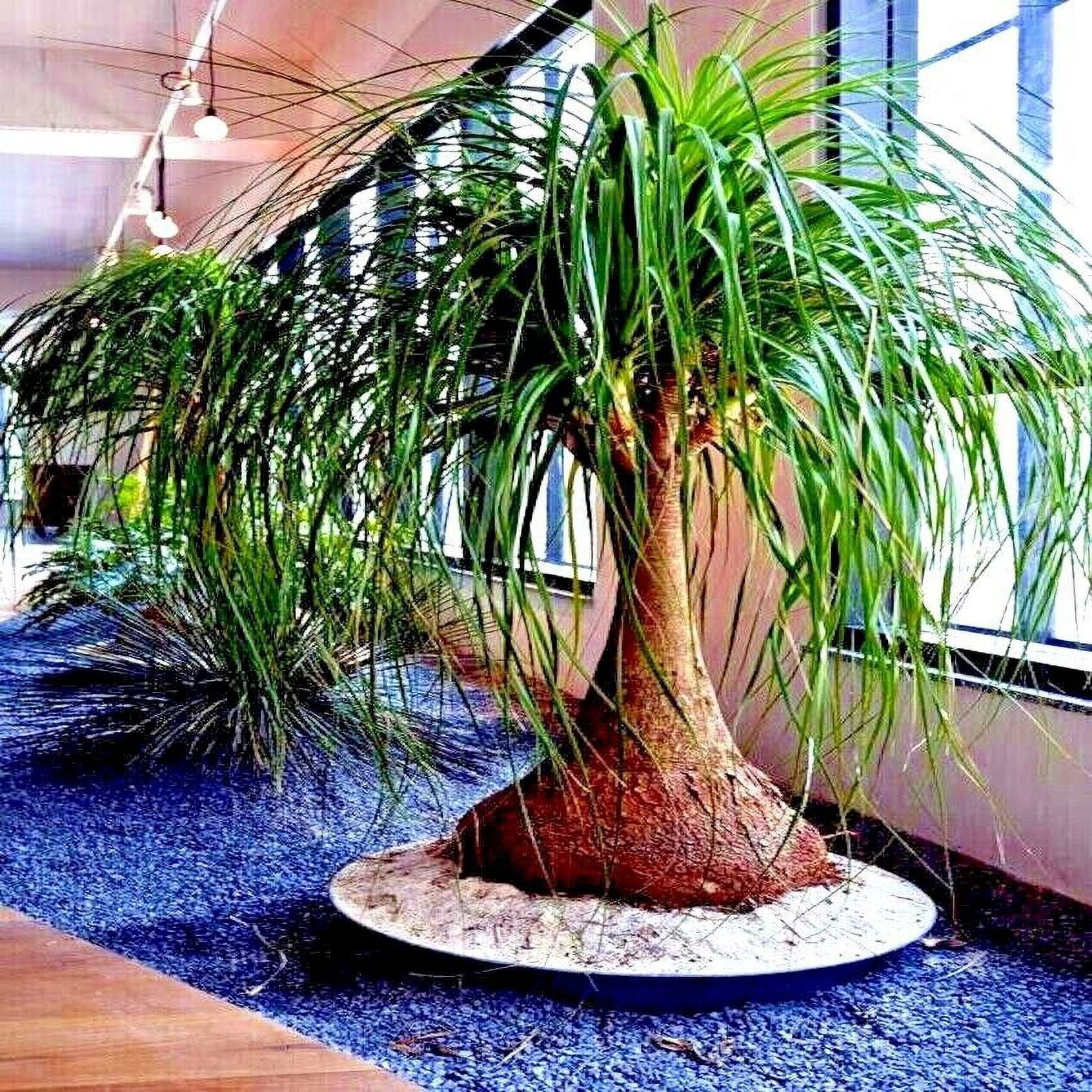
Planta Mano de Leon (Leonurus cardiaca), a captivating medicinal herb, has captivated herbalists and researchers alike with its diverse therapeutic properties. With its distinctive heart-shaped leaves and calming effects, this plant has played a significant role in traditional medicine for centuries, and modern science continues to unravel its remarkable pharmacological potential.
In this comprehensive guide, we delve into the botanical characteristics, pharmacological properties, cultivation, and propagation of Planta Mano de Leon, providing valuable insights into its medicinal uses and therapeutic applications.
Botanical Characteristics and Uses: Planta Mano De Leon
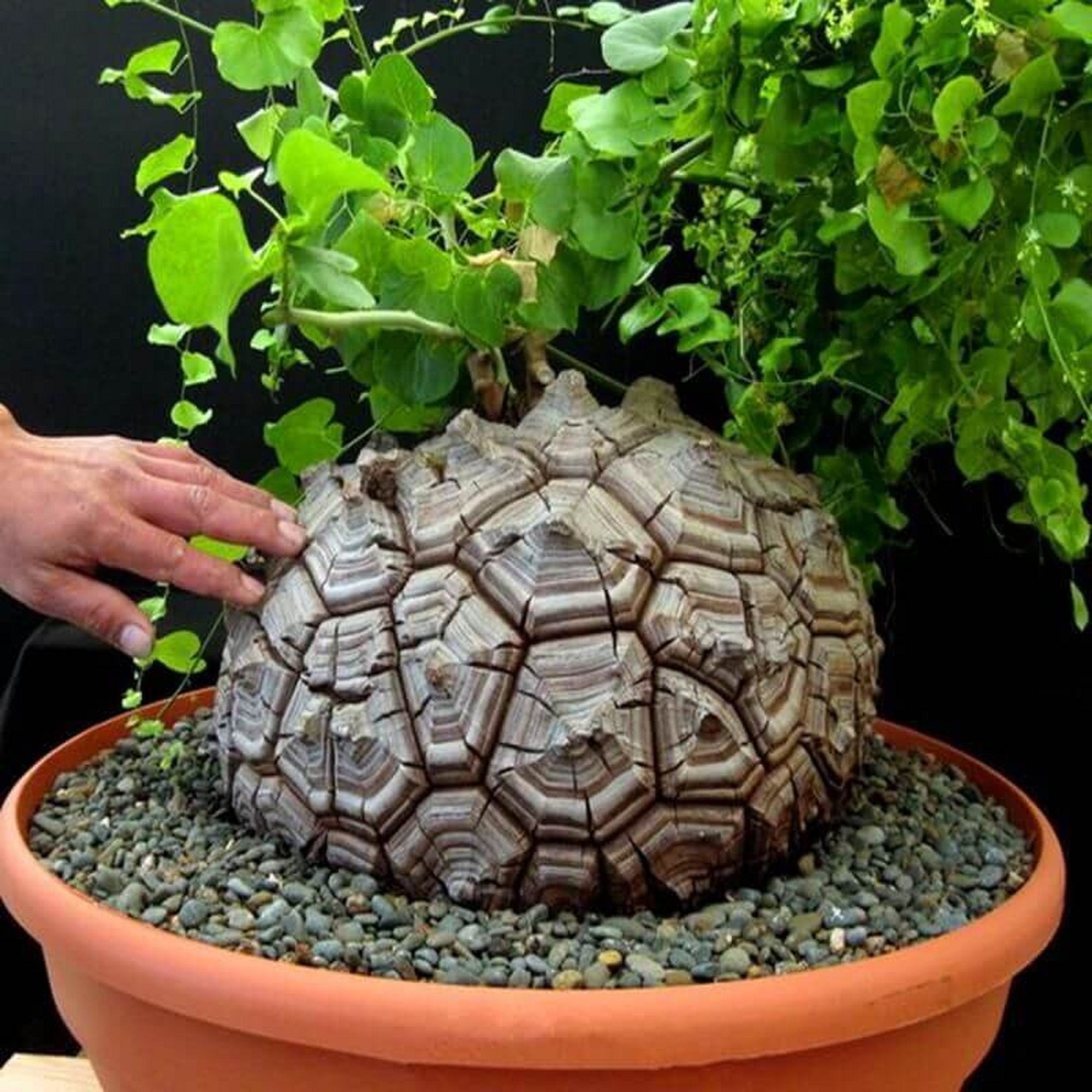
Planta Mano de Leon (Leonurus cardiaca) is a flowering plant belonging to the Lamiaceae family, commonly known as the mint family. It is native to Europe and Asia but has naturalized in North America.
Physically, Planta Mano de Leon is a perennial herb characterized by square, hairy stems reaching heights of up to 5 feet. Its leaves are deeply lobed, with serrated margins and a wrinkled surface. The flowers, borne in dense clusters at the leaf axils, are pink to purple and have a distinctive hooded shape.
Traditional and Modern Medicinal Uses
Planta Mano de Leon has a long history of use in traditional medicine, particularly in Europe and Asia. It has been employed for various ailments, including heart palpitations, anxiety, and menstrual cramps.
Modern research has supported some of these traditional uses. Studies have shown that Planta Mano de Leon may possess anti-inflammatory, antioxidant, and antispasmodic properties. It is sometimes used in herbal preparations to promote relaxation and reduce stress.
It is important to note that Planta Mano de Leon should not be used during pregnancy or breastfeeding. It may also interact with certain medications, so it is crucial to consult a healthcare professional before using it.
Pharmacological Properties

Planta Mano de Leon possesses an array of pharmacological properties that have garnered scientific interest. Its antioxidant, anti-inflammatory, and sedative effects have been extensively studied, showcasing its potential in alleviating various health conditions.
The plant’s antioxidant activity stems from its high concentration of flavonoids and phenolic compounds. These compounds scavenge free radicals, protecting cells from oxidative damage and inflammation.
Anti-inflammatory Effects
Planta Mano de Leon exhibits anti-inflammatory properties due to its inhibition of pro-inflammatory cytokines. Research has demonstrated its efficacy in reducing inflammation in conditions such as arthritis and inflammatory bowel disease.
Sedative Effects, Planta mano de leon
The plant’s sedative effects are attributed to its GABA-mimetic activity. GABA is a neurotransmitter that promotes relaxation and sleep. Planta Mano de Leon has been shown to increase GABA levels in the brain, leading to a calming and sedative effect.
Potential Therapeutic Applications
The pharmacological properties of Planta Mano de Leon have led to its exploration as a potential therapeutic agent for various health conditions. Studies have investigated its role in:
- Treating anxiety and insomnia
- Alleviating pain and inflammation
- Protecting against neurodegenerative diseases
- Improving cardiovascular health
Cultivation and Propagation

Cultivating Planta Mano de Leon requires careful attention to its specific growing conditions. By providing the optimal environment, you can encourage healthy growth and maximize its medicinal benefits.
Growing Conditions
Planta Mano de Leon thrives in well-drained soil with a pH range of 5.5 to 6.5. It prefers partial shade to full sun, with at least six hours of sunlight per day. Regular watering is essential, especially during hot and dry periods, but avoid overwatering as it can lead to root rot.
Propagation
Propagation of Planta Mano de Leon can be achieved through seed germination or stem cuttings.
Seed Germination
- Sow seeds in a well-draining seed starting mix.
- Keep the soil moist but not soggy.
- Provide warmth (around 70-75°F) and bright, indirect light.
- Germination typically occurs within 10-14 days.
Stem Cuttings
- Take stem cuttings from healthy, mature plants.
- Cuttings should be 4-6 inches long.
- Remove the leaves from the bottom inch of the cutting.
- Dip the cut end in rooting hormone.
- Plant the cutting in a well-draining potting mix.
- Keep the soil moist and provide bright, indirect light.
- Roots should develop within 4-6 weeks.