Planting rye for deer is an effective strategy to provide nutritious forage, cover, and shelter for these animals. Its high nutritional value and ability to attract other wildlife make it an ideal choice for enhancing deer habitat.
This comprehensive guide delves into the benefits of planting rye for deer, explores best practices for successful establishment, and discusses maintenance and management techniques to ensure its effectiveness as a deer attractant.
Benefits of Planting Rye for Deer

Rye, a winter cereal grain, offers numerous benefits for deer populations, making it a valuable choice for wildlife management. Its high nutritional value, ability to provide cover and shelter, and contributions to soil health and wildlife diversity enhance the overall habitat for deer.
Nutritional Value
Rye is a nutrient-rich forage that provides essential vitamins, minerals, and energy for deer. It contains high levels of protein, carbohydrates, and fiber, which are crucial for maintaining body weight, antler growth, and overall health. Additionally, rye is a good source of calcium, phosphorus, and potassium, which support bone development and overall well-being.
Cover and Shelter
The dense growth of rye provides excellent cover and shelter for deer, particularly during harsh weather conditions. The tall, thick stems create a protective barrier that shields deer from wind, rain, and snow. This cover also helps deer evade predators and provides a sense of security, allowing them to rest and feed undisturbed.
Soil Health and Wildlife Diversity
Planting rye has a positive impact on soil health. Its deep root system helps aerate the soil, improving drainage and nutrient availability. Additionally, rye acts as a natural cover crop, preventing soil erosion and suppressing weed growth. This improved soil quality benefits not only deer but also other wildlife species that rely on the habitat.
Furthermore, rye attracts a variety of other wildlife, including birds, rabbits, and small rodents. This diversity enhances the ecosystem and provides a more balanced and sustainable habitat for all species.
Best Practices for Planting Rye for Deer

Rye provides exceptional nutritional value for deer, especially during the harsh winter months. To ensure a successful rye planting, several key factors must be considered.
Planting Time and Location
The ideal time to plant rye for deer is in the fall, between September and October. This allows the rye to establish a strong root system before winter sets in. The best location for planting rye is an open field with well-drained soil and plenty of sunlight. Avoid planting rye in areas that are prone to flooding or have poor drainage.
Soil Preparation and Seed Selection
Before planting rye, it is important to prepare the soil. This involves tilling the soil to a depth of 6-8 inches and removing any weeds or debris. A soil test can help determine if any amendments are needed to improve soil fertility. When selecting rye seed, choose a variety that is well-suited to your climate and soil conditions.
Planting Depth and Spacing
Rye should be planted at a depth of 1/4 to 1/2 inch. The seeds should be spaced 2-3 inches apart in rows that are 12-18 inches apart. Once the rye has been planted, it is important to water it well and keep the soil moist until the seeds germinate.
Maintenance and Management of Rye for Deer
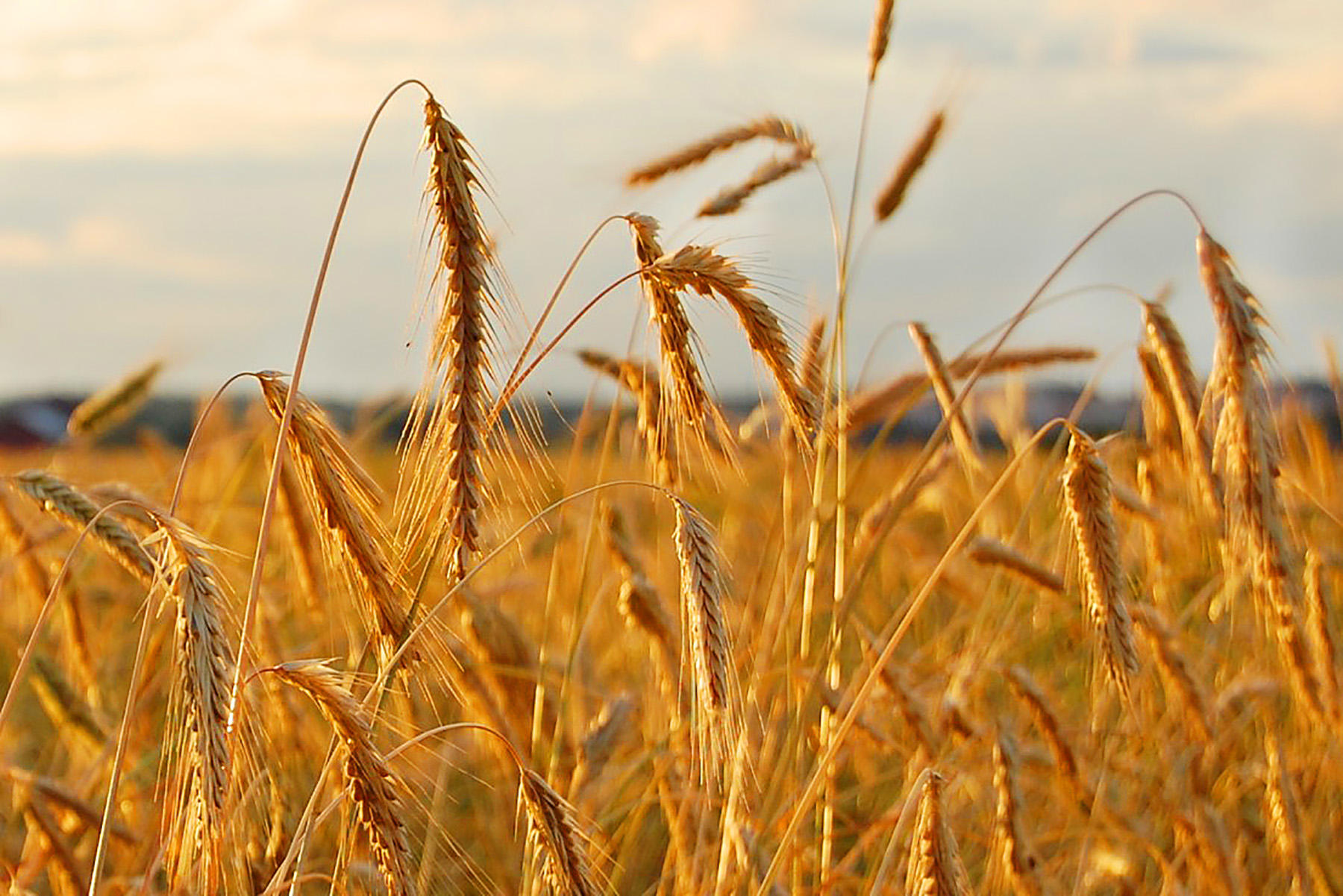
Maintaining and managing rye fields is crucial to ensure their longevity and effectiveness as a deer attractant. Proper fertilization, watering, weed and pest control, and regular monitoring are essential practices for successful rye management.
Fertilization
Fertilizing rye is essential for maximizing its growth and nutritional value. Apply a nitrogen-rich fertilizer in the fall, around 6-8 weeks before planting, to promote root development. A second application of nitrogen in the spring, just before the rye begins to green up, will encourage top growth and seed production.
Watering
Rye is a drought-tolerant plant, but it requires adequate moisture to thrive. Water the rye field regularly, especially during dry spells. Avoid overwatering, as this can lead to root rot and disease.
Weed and Pest Control
Controlling weeds and pests is crucial for maintaining a healthy rye field. Weeds compete with rye for nutrients and water, while pests can damage the plants and spread disease. Use herbicides and pesticides as needed to control weeds and pests, but follow the instructions carefully to avoid harming the rye.
Monitoring, Planting rye for deer
Regular monitoring of the rye field is essential to detect any problems early on. Inspect the plants for signs of disease, insect damage, or nutrient deficiencies. Address any issues promptly to maintain the health and productivity of the rye field.
