For those residing in the 8b USDA hardiness zone, gardening enthusiasts rejoice! Delve into the world of plants for 8b zone, where a vibrant tapestry of flora awaits. Discover a comprehensive guide to selecting, caring for, and showcasing the natural beauty of plants that flourish in this temperate climate.
As you embark on this horticultural journey, you’ll uncover expert insights into plant selection, cultivation techniques, and landscaping ideas tailored specifically to zone 8b. Prepare to transform your outdoor space into a thriving oasis, brimming with vibrant blooms, lush foliage, and the tranquility that nature brings.
Popular Plants for Zone 8b
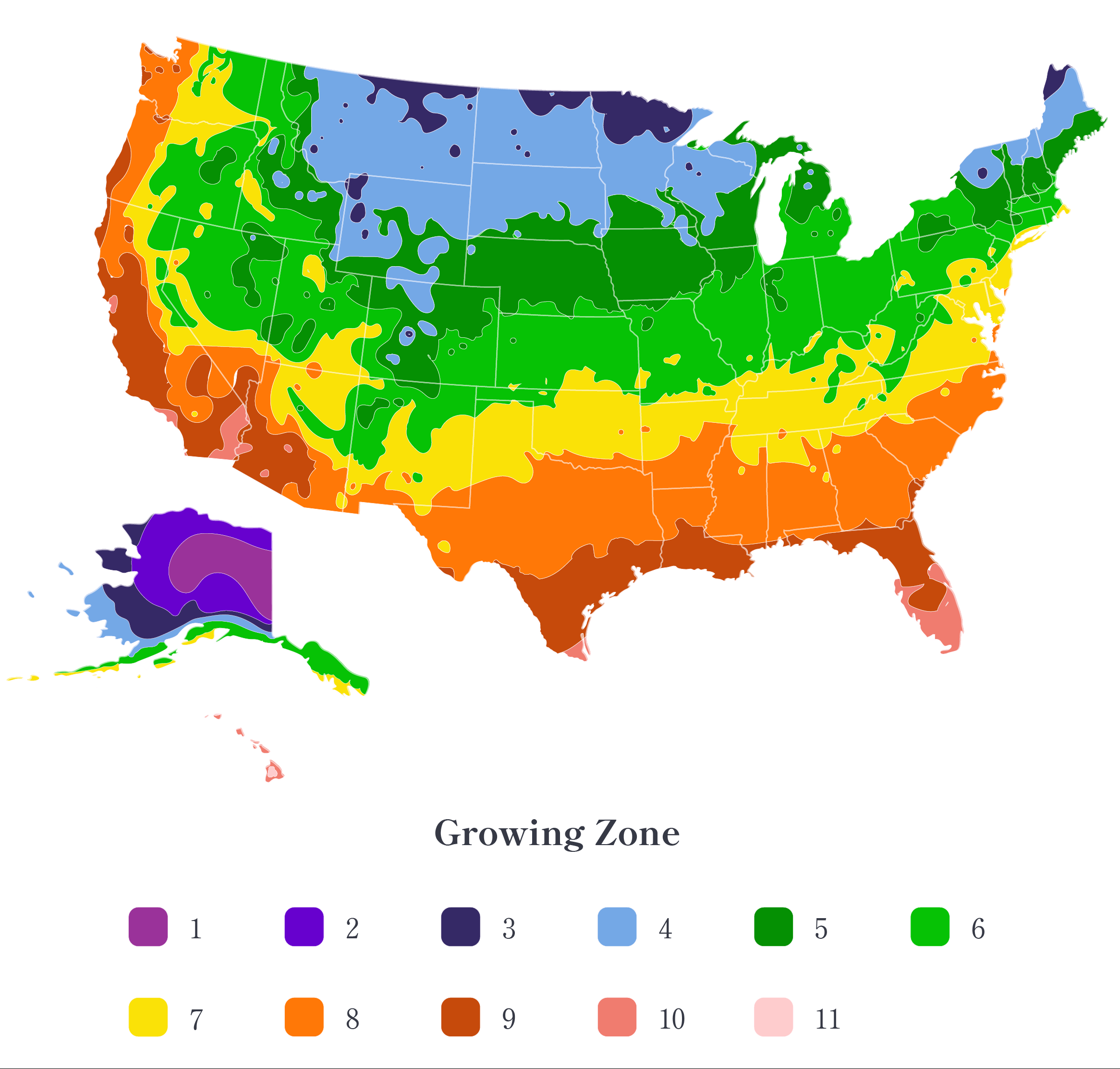
USDA hardiness zone 8b encompasses a diverse range of climates, from the humid subtropical regions of the Gulf Coast to the more temperate Pacific Northwest. As a result, a wide variety of plants can thrive in this zone, offering gardeners a wealth of options for their landscapes.
When selecting plants for zone 8b, it’s essential to consider the specific microclimate of your garden, as well as the desired size, shape, and color of the plants. With careful planning, you can create a beautiful and thriving garden that will provide enjoyment for years to come.
Flowers, Plants for 8b zone
Zone 8b is home to a wide variety of flowering plants that bloom throughout the year. Some of the most popular choices include:
| Plant Name | Type | Bloom Time | Special Requirements |
|---|---|---|---|
| Azalea | Shrub | Spring | Acidic soil, partial shade |
| Begonia | Annual | Summer | Well-drained soil, partial shade |
| Camellia | Shrub | Fall-winter | Acidic soil, partial shade |
| Cosmos | Annual | Summer-fall | Full sun, well-drained soil |
| Daylily | Perennial | Summer | Full sun to partial shade, well-drained soil |
Plant Selection and Care for Zone 8b: Plants For 8b Zone

Gardening in Zone 8b offers a wide range of options for plant selection and care. Understanding the specific requirements of your zone will ensure the success of your gardening endeavors.
When selecting plants for Zone 8b, consider factors such as sunlight exposure, soil conditions, and water needs. Choose plants that thrive in the amount of sunlight your garden receives, whether full sun, partial shade, or full shade.
Soil Conditions
Zone 8b typically has well-drained soil, but it’s important to amend it with organic matter to improve fertility and moisture retention. Soil pH should be between 6.0 and 6.5 for most plants, but some plants prefer acidic or alkaline conditions.
Water Needs
Watering requirements vary depending on the plant species and soil conditions. Generally, plants in Zone 8b need regular watering, especially during hot, dry periods. Water deeply and infrequently to encourage deep root growth.
Planting and Fertilizing
Plant at the appropriate time of year, usually spring or fall, and follow the recommended spacing for each species. Fertilize plants regularly with a balanced fertilizer, following the manufacturer’s instructions.
Pruning
Pruning is essential for maintaining plant health and shape. Prune plants as needed to remove dead or diseased branches, encourage new growth, and control size.
Common Pests and Diseases
Zone 8b is prone to certain pests and diseases. Aphids, spider mites, and whiteflies are common pests, while powdery mildew, rust, and leaf spot are common diseases. Use organic or natural methods for pest and disease control, such as insecticidal soap, neem oil, or companion planting.
Landscaping Ideas for Zone 8b

Landscaping in Zone 8b offers a diverse range of opportunities to create beautiful and sustainable outdoor spaces. With its mild climate and abundant sunshine, this zone allows for a wide variety of plant life to thrive. Native plants, in particular, are well-suited to the conditions and provide numerous benefits, including attracting wildlife, supporting local ecosystems, and requiring less maintenance.
Native Plant Combinations
* Butterfly Garden: Create a vibrant haven for butterflies with a mix of native wildflowers such as purple coneflower, butterfly weed, and milkweed.
* Pollinator Paradise: Attract a variety of pollinators to your garden with a combination of bee balm, lavender, and salvia.
* Coastal Oasis: Bring the beauty of the coast to your landscape with a mix of sea oats, yaupon holly, and wax myrtle.
* Woodland Retreat: Create a shady and serene woodland-inspired space with native plants like ferns, azaleas, and dogwoods.
* Mediterranean Charm: Bring the Mediterranean aesthetic to your landscape with drought-tolerant plants like rosemary, lavender, and olive trees.
Hardscaping Elements
Incorporating hardscaping elements into your landscape can complement the plant life and enhance outdoor living spaces. Consider using:
* Pathways: Create meandering pathways through your garden using flagstone, gravel, or pavers.
* Patios: Design a comfortable outdoor living space with a patio made of natural stone, brick, or concrete.
* Retaining Walls: Utilize retaining walls to create raised garden beds, level slopes, or add architectural interest to your landscape.
* Fire Pits: Create a cozy gathering spot with a fire pit made of natural stone or fire-resistant bricks.
* Water Features: Add a tranquil touch to your landscape with a pond, fountain, or waterfall.