Plants for Zone 5a sets the stage for this enthralling narrative, offering readers a glimpse into a story that is rich in detail with scientific facts and brimming with originality from the outset. In the realm of horticulture, USDA Hardiness Zone 5a presents a unique canvas for gardening enthusiasts, where careful plant selection and tailored care are essential for cultivating a thriving outdoor oasis.
As we delve into the intricacies of this temperate zone, we will uncover a diverse array of plant species that flourish within its parameters, exploring their specific needs and uncovering the secrets to their success. From vibrant flowers to stately trees and bountiful vegetables, this guide will equip you with the knowledge and inspiration to create a garden that thrives in Zone 5a’s unique climate.
Plant Selection for Zone 5a
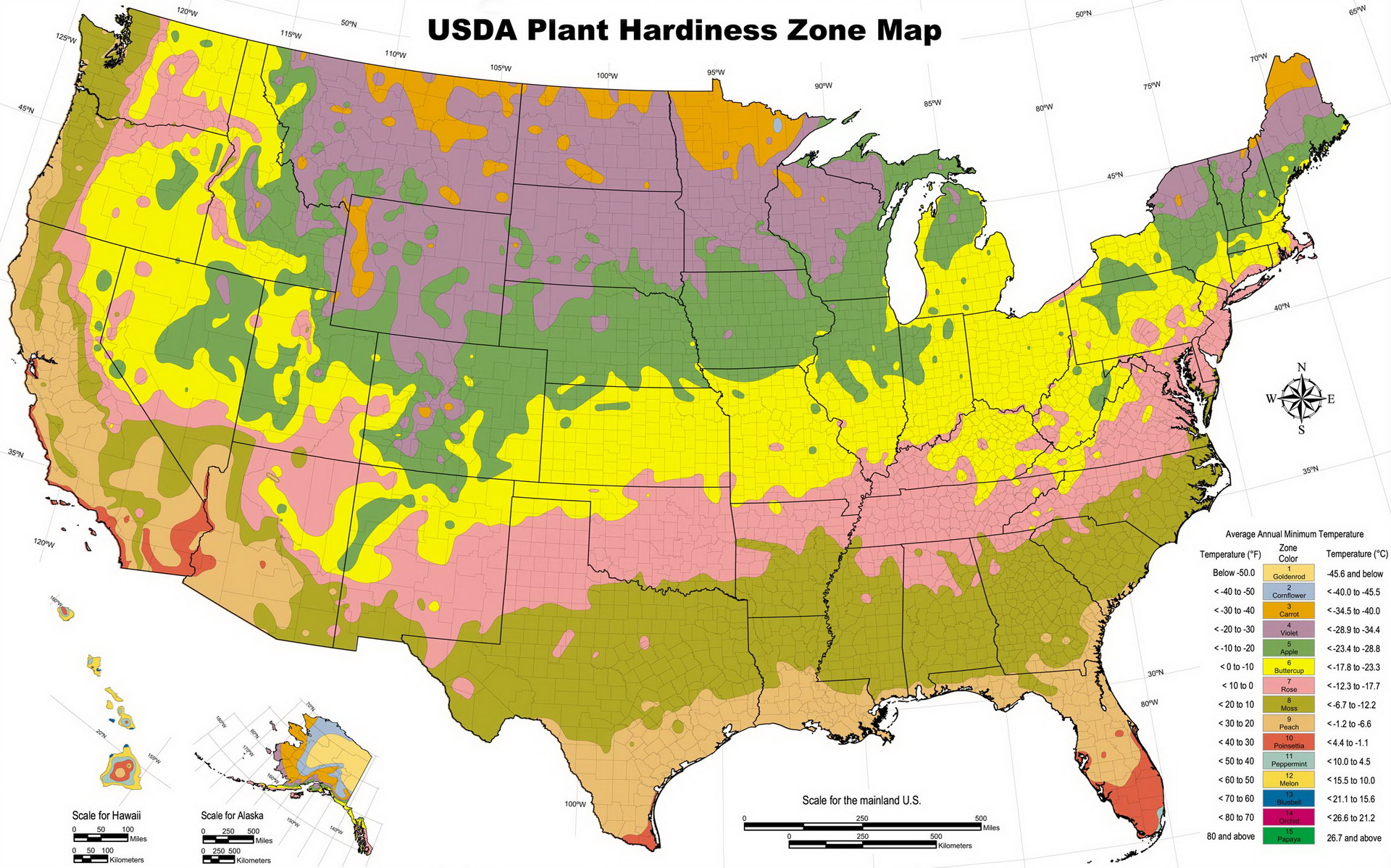
Zone 5a is characterized by cold winters with average minimum temperatures between -20°F and -15°F (-29°C and -26°C) and hot, humid summers with average high temperatures between 80°F and 85°F (27°C and 29°C).
When selecting plants for Zone 5a, it’s crucial to consider their hardiness and ability to withstand the region’s specific climate conditions. Here’s a comprehensive list of plants that thrive in this zone, organized into different categories:
Flowers
Zone 5a offers a wide variety of flowering plants that bloom throughout the growing season. Some popular choices include:
- Daylilies (Hemerocallis spp.): Hardy perennials with trumpet-shaped flowers in various colors.
- Hostas (Hosta spp.): Shade-loving perennials with large, attractive foliage.
- Peonies (Paeonia spp.): Showy perennials with fragrant, cup-shaped flowers.
- Irises (Iris spp.): Rhizomatous perennials with sword-like leaves and colorful flowers.
- Salvia (Salvia spp.): Aromatic perennials or annuals with spikes of colorful flowers.
Shrubs
Shrubs provide structure and interest to any landscape. Zone 5a is home to several cold-hardy options, such as:
- Hydrangeas (Hydrangea spp.): Deciduous shrubs with large, showy flower heads.
- Spirea (Spiraea spp.): Deciduous or evergreen shrubs with arching branches and clusters of small flowers.
- Viburnum (Viburnum spp.): Deciduous or evergreen shrubs with showy flowers and colorful berries.
- Boxwood (Buxus spp.): Evergreen shrubs with small, glossy leaves, ideal for hedging.
- Rhododendrons (Rhododendron spp.): Evergreen or deciduous shrubs with showy, bell-shaped flowers.
Trees
Trees provide shade, privacy, and beauty to any property. Zone 5a can support a variety of deciduous and evergreen species, including:
- Maples (Acer spp.): Deciduous trees with colorful fall foliage.
- Oaks (Quercus spp.): Deciduous or evergreen trees with acorns.
- Birches (Betula spp.): Deciduous trees with peeling bark.
- Pine trees (Pinus spp.): Evergreen trees with needle-like leaves and cones.
- Spruce trees (Picea spp.): Evergreen trees with pyramidal shape and needle-like leaves.
Vegetables
Zone 5a’s short growing season presents some challenges for vegetable gardening. However, several cold-tolerant vegetables can thrive in this zone, including:
- Broccoli (Brassica oleracea var. italica): A cool-season vegetable that can withstand light frosts.
- Carrots (Daucus carota): A root vegetable that prefers loose, well-drained soil.
- Lettuce (Lactuca sativa): A leafy green that can be grown in both spring and fall.
- Peas (Pisum sativum): A cool-season legume that fixes nitrogen in the soil.
- Potatoes (Solanum tuberosum): A starchy vegetable that grows best in well-drained soil.
Herbs
Herbs add flavor and aroma to any garden. Zone 5a is suitable for growing various herbs, such as:
- Basil (Ocimum basilicum): An annual herb with fragrant leaves used in cooking.
- Chives (Allium schoenoprasum): A perennial herb with edible leaves and flowers.
- Mint (Mentha spp.): A perennial herb with aromatic leaves used in teas and desserts.
- Oregano (Origanum vulgare): A perennial herb with flavorful leaves used in cooking.
- Thyme (Thymus vulgaris): A perennial herb with aromatic leaves used in cooking and medicinal purposes.
Growing Conditions and Care

In Zone 5a, the ideal growing conditions for plants include:
- Soil type: Well-drained, loamy soil with a pH between 6.0 and 7.0.
- Sunlight requirements: Full sun to partial shade, with at least 6 hours of direct sunlight per day.
- Moisture levels: Moderate moisture levels, with regular watering during dry spells.
Planting
When planting, dig a hole that is twice as wide as the root ball and just as deep. Place the plant in the hole and backfill with soil, tamping down gently to remove any air pockets. Water the plant thoroughly.
Watering, Plants for zone 5a
Water plants regularly, especially during hot, dry weather. The amount of water needed will vary depending on the type of plant, soil conditions, and weather conditions. A good rule of thumb is to water plants deeply and infrequently, rather than shallowly and often.
Fertilizing
Fertilize plants regularly with a balanced fertilizer. The frequency of fertilization will vary depending on the type of plant and the fertilizer used. Follow the instructions on the fertilizer label for specific application rates and timing.
Pruning
Prune plants as needed to remove dead or diseased branches, control growth, and improve appearance. Pruning should be done in late winter or early spring, before new growth begins.
Common Pests and Diseases
Common pests and diseases that affect plants in Zone 5a include:
- Pests: Aphids, spider mites, whiteflies, and scale.
- Diseases: Powdery mildew, black spot, and rust.
Preventative measures for common pests and diseases include:
- Planting resistant varieties.
- Practicing good sanitation, such as removing infected plant material and cleaning up fallen leaves.
- Using insecticidal soap or horticultural oil to control pests.
- Applying fungicides to prevent and treat diseases.
Landscaping Ideas and Inspiration: Plants For Zone 5a

Landscaping with plants suitable for Zone 5a offers a wide range of possibilities to create visually appealing and functional outdoor spaces. Here are some ideas and inspiration to help you design your dream garden:
Plant Gallery
Explore a gallery of stunning landscape designs featuring a variety of plants that thrive in Zone 5a. From vibrant flower beds to lush green lawns, these designs showcase the beauty and diversity of plants available for this zone.
Plant Comparison Table
To assist in plant selection, a comprehensive table compares the characteristics of different plants, including height, spread, bloom time, and other important factors. This table allows you to easily compare plants and make informed decisions about which ones are best suited for your specific needs and preferences.
Attractive Plant Combinations
Create stunning plant combinations by pairing plants with complementary colors, textures, and sizes. Consider using plants with contrasting foliage, such as variegated hostas with deep green ferns, or adding pops of color with flowering perennials like daylilies and coneflowers.
Designing for Specific Purposes
Design your garden with specific purposes in mind, such as creating privacy, providing shade, or attracting wildlife. For privacy, plant tall shrubs or trees along property lines, while shade can be achieved with canopy trees or large shrubs. To attract wildlife, incorporate native plants that provide food and shelter for birds, butterflies, and other creatures.