Plants in betta tanks are not just decorative elements; they play a crucial role in the well-being of these vibrant fish. From oxygenating the water to removing harmful nitrates and ammonia, plants provide a range of benefits that make them essential for any betta tank. Additionally, they offer hiding spots and reduce stress for bettas, creating a more natural and stimulating environment.
Let’s dive into the fascinating world of plants in betta tanks, exploring their benefits, types, and care requirements.
Benefits of Plants in Betta Tanks

Introducing live plants into a betta tank can significantly enhance the well-being of your aquatic pet. Plants provide numerous benefits, including oxygenation, nitrate and ammonia removal, and stress reduction for bettas.
Oxygenating Properties of Plants
Live plants play a crucial role in maintaining healthy oxygen levels in a betta tank. Through the process of photosynthesis, plants release oxygen as a byproduct, which is essential for betta respiration. Adequate oxygen levels ensure the betta’s gills function properly, allowing for efficient oxygen uptake and carbon dioxide removal.
Nitrate and Ammonia Removal
Plants are effective at removing nitrates and ammonia from the water column, which can accumulate from betta waste and uneaten food. Nitrate and ammonia can be harmful to bettas if present in high concentrations, leading to health issues such as gill damage, reduced growth, and immune system suppression. Plants absorb these compounds through their leaves and roots, helping to maintain a healthy water environment for your betta.
Hiding Spots and Stress Reduction
The presence of plants in a betta tank provides essential hiding spots for your pet. Bettas are naturally shy and can become stressed in open environments. Plants offer a sense of security and allow bettas to retreat when feeling threatened or overwhelmed. Reduced stress levels contribute to a healthier and more vibrant betta.
Types of Plants for Betta Tanks: Plants In Betta Tank
-Recovered.jpg "Betta")
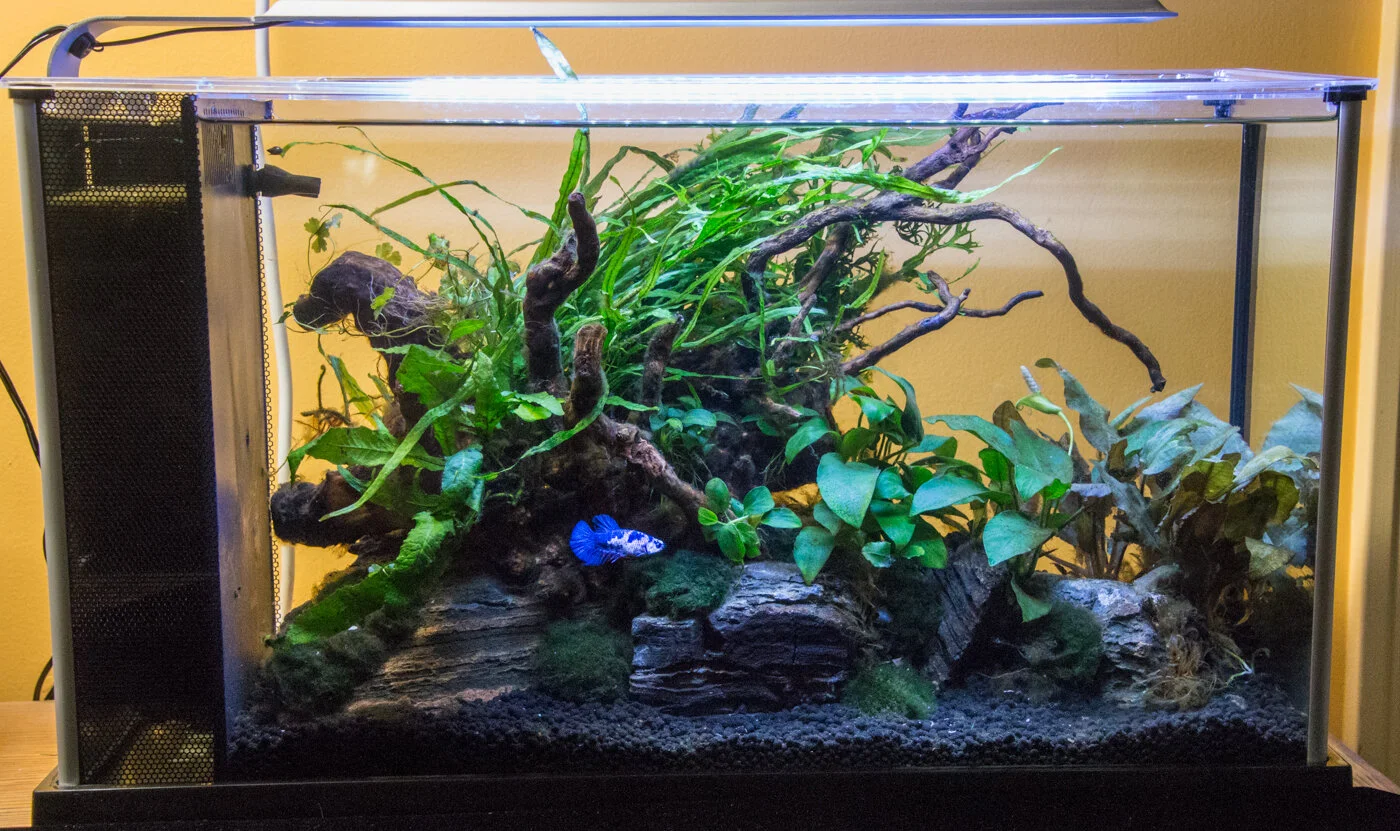
Choosing the right plants for your betta tank is essential for creating a healthy and stimulating environment for your fish. Here are some popular plant species that are well-suited for betta tanks, along with their care level, light requirements, and potential benefits:
Plant Species for Betta Tanks
| Plant Name | Care Level | Light Requirements | Potential Benefits |
|---|---|---|---|
| Anubias Nana | Easy | Low | Provides hiding places, oxygenates water |
| Java Fern | Easy | Low-Medium | Absorbs nitrates, provides cover for fry |
| Amazon Sword | Moderate | Medium-High | Large plant that provides hiding places and oxygen |
| Water Sprite | Easy | Medium-High | Fast-growing plant that helps filter water |
Anubias Nana: This small, slow-growing plant is perfect for beginners. It can tolerate low light conditions and prefers to be attached to rocks or driftwood. Its broad, dark green leaves provide hiding places for bettas.
Java Fern: Another easy-care plant, Java Fern has long, delicate leaves that can add a graceful touch to your tank. It prefers low to medium light and can be attached to surfaces or planted in the substrate.
Amazon Sword: This larger plant is a good choice for providing hiding places and oxygenation in your tank. It prefers medium to high light and requires regular fertilization.
Water Sprite: This fast-growing plant is a great option for filtering water. It can tolerate a wide range of light conditions and can be planted in the substrate or floated on the surface.
Planting and Care for Betta Tanks
.jpg "Betta plant plants beta roots peceras florales arreglos terrarios floreros aquáticas jardinería decoraciones jardín paisajismo housetodecor")
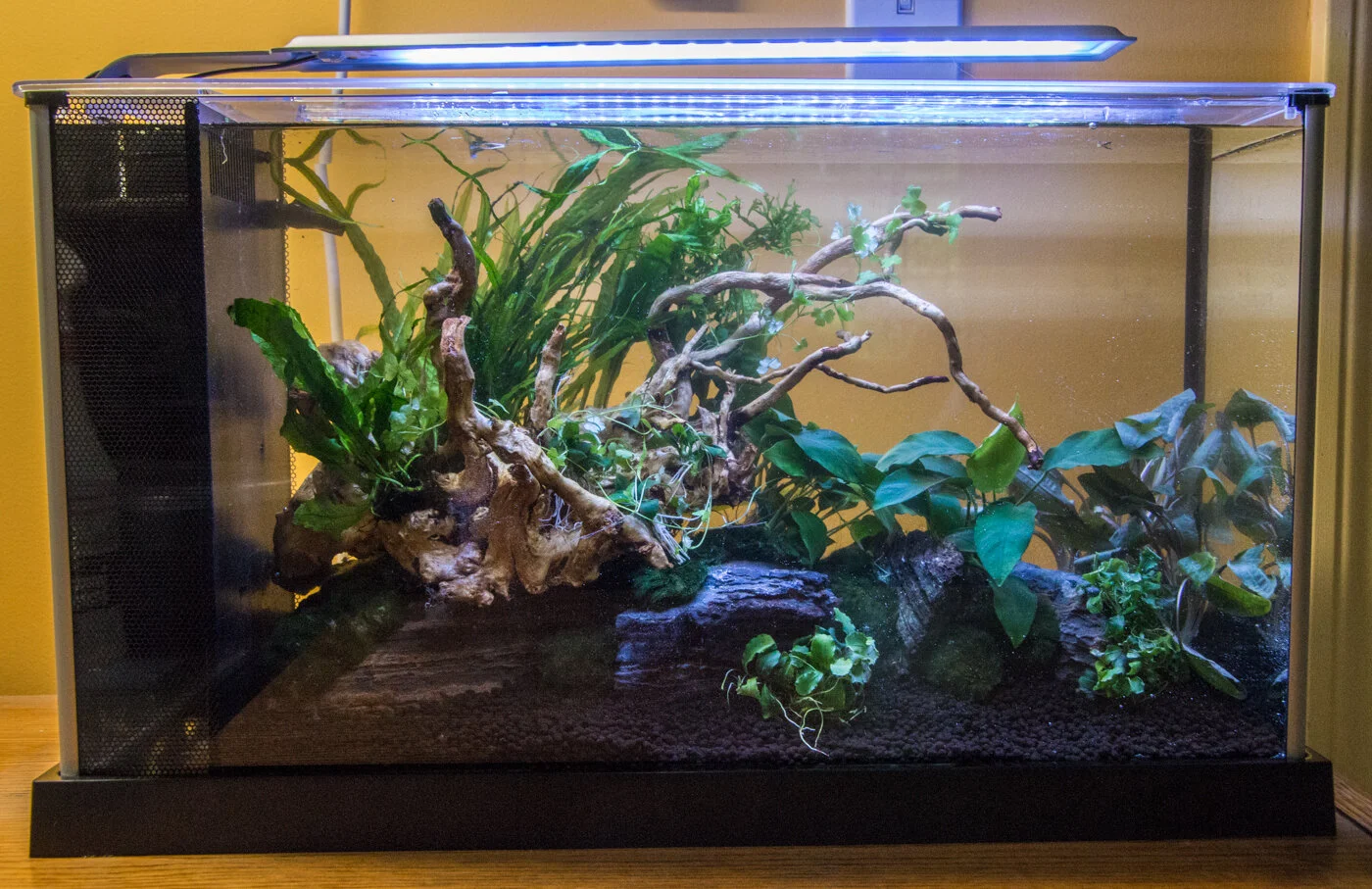
Planting live plants in betta tanks provides a natural and stimulating environment for these beautiful fish. Live plants offer numerous benefits, including providing hiding places, reducing stress, and improving water quality. Here’s a step-by-step guide to help you create a thriving planted betta tank:
Choosing the Right Substrate and Lighting
The substrate is the foundation of your planted tank. It provides anchorage for plants and plays a vital role in nutrient availability. Choose a substrate that is rich in nutrients and has a fine grain size, such as Eco-Complete or ADA Aqua Soil. Lighting is equally important for plant growth. Betta tanks require moderate lighting, around 10-12 hours per day. Use a full-spectrum light that provides both red and blue wavelengths, essential for photosynthesis.
Planting Live Plants
Rinse the plants thoroughly to remove any debris or pests. Separate the plants into individual stems or clumps. Use tweezers or chopsticks to gently plant the stems into the substrate, ensuring that the roots are well-anchored. For rooted plants, make sure the crown (where the leaves meet the roots) is above the substrate. Avoid overcrowding the tank; leave ample space between plants for growth and circulation.
Trimming and Maintenance, Plants in betta tank
Regular trimming is crucial for maintaining plant health and aesthetics. Remove dead or dying leaves and trim overgrown stems. Use sharp, clean scissors to make precise cuts. Pruning also encourages new growth and helps control algae. Water changes and occasional fertilization are also essential for plant maintenance. Perform 20-30% water changes weekly and fertilize according to the manufacturer’s instructions.