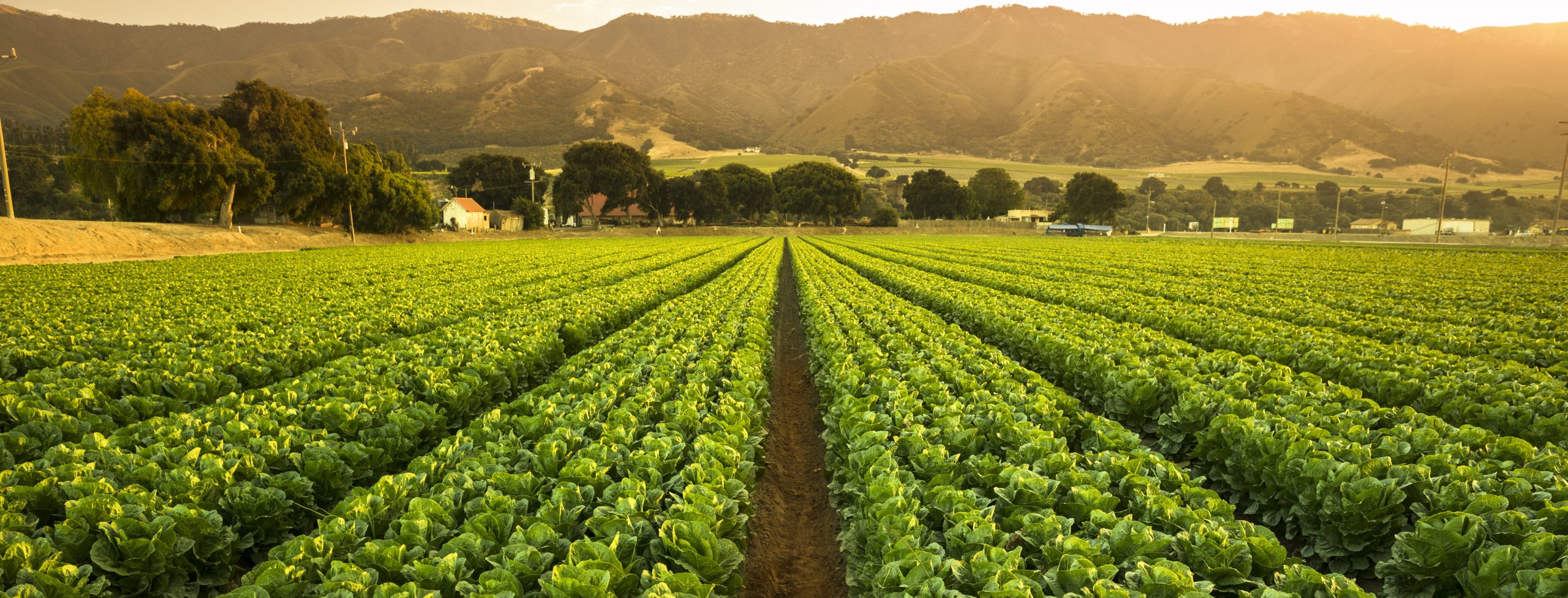
Plants on a farm are the cornerstone of agriculture, providing sustenance, materials, and economic prosperity. From vast fields of grains to lush orchards and medicinal herb gardens, these plants play a pivotal role in shaping our world. Join us as we delve into the fascinating realm of farm plants, exploring their types, cultivation, and profound impact on our lives.
Farms are meticulously planned ecosystems where diverse plant species thrive under the watchful care of farmers. Each type of plant serves a specific purpose, whether it’s nourishing our bodies, providing raw materials for industries, or offering medicinal benefits. From wheat and corn to cotton and soybeans, the variety of farm plants is astounding, each with its unique characteristics and cultivation requirements.
Types of Plants on a Farm
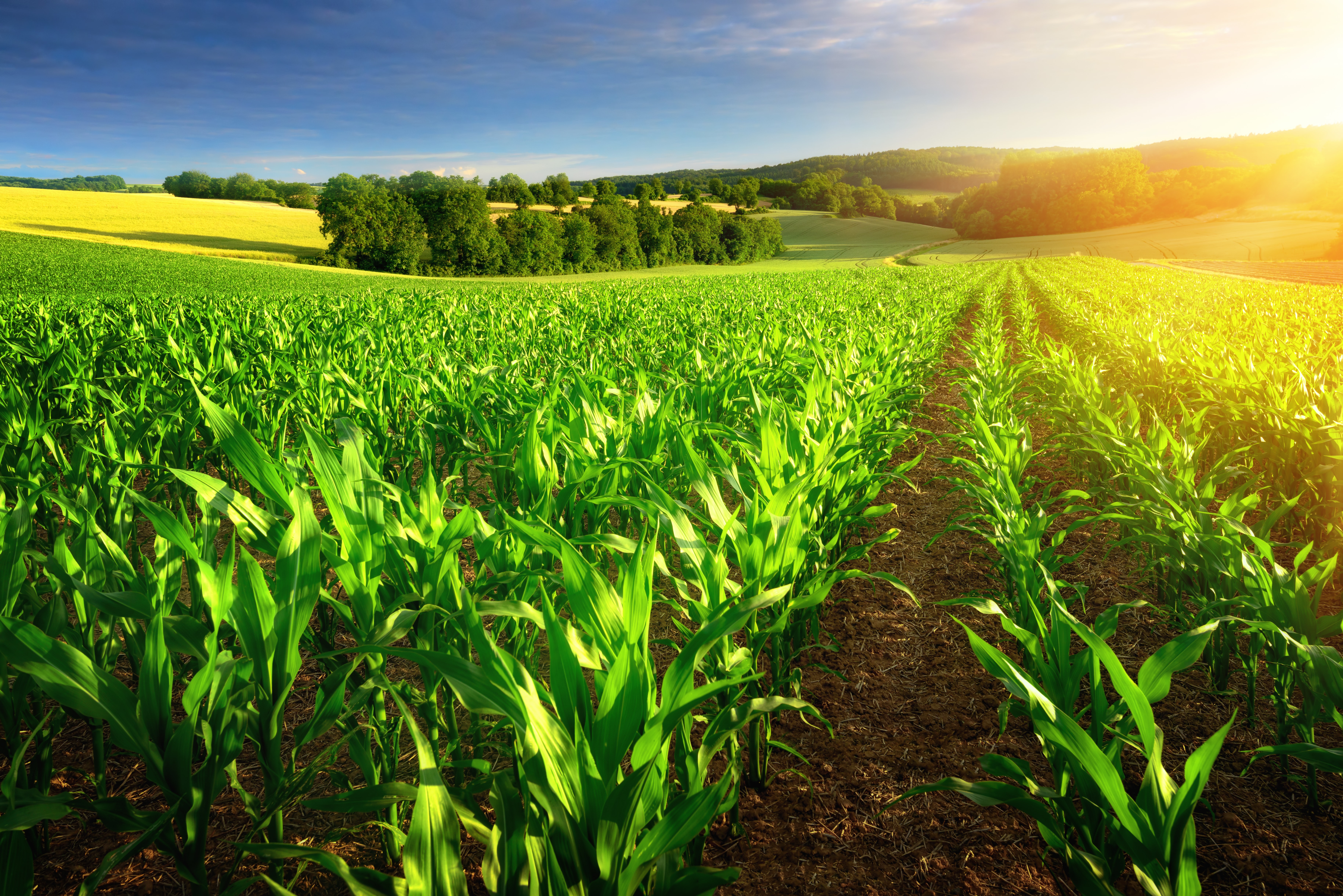
Farms cultivate a wide range of plant species, each serving specific purposes and fulfilling diverse human needs. These plants can be broadly classified into several major types, including:
Food Crops
Food crops constitute the foundation of human nutrition, providing essential nutrients for sustenance and well-being. They include:
- Cereals: Grains like wheat, rice, corn, and barley, which are rich in carbohydrates and provide energy.
- Legumes: Beans, peas, and lentils, which are excellent sources of protein, fiber, and vitamins.
- Fruits and Vegetables: A diverse group providing essential vitamins, minerals, and antioxidants, including apples, oranges, tomatoes, and lettuce.
Fiber Crops
Fiber crops are cultivated for their fibrous tissues, which are used in the production of various textiles, paper, and other industrial materials:
- Cotton: A major source of natural fibers used in clothing, bedding, and medical supplies.
- Flax: Used to produce linen, a durable and versatile fiber for clothing, upholstery, and other textiles.
- Jute: A strong and coarse fiber used in making ropes, sacks, and other industrial products.
Oilseed Crops
Oilseed crops are grown for their high oil content, which is extracted and used in cooking, food processing, and industrial applications:
- Soybeans: A major source of vegetable oil and protein, used in a wide range of food products.
- Canola: Produces an edible oil high in monounsaturated fats, beneficial for heart health.
- Sunflower: A popular source of edible oil, rich in vitamin E and antioxidants.
Medicinal Crops
Medicinal crops are cultivated for their therapeutic properties and are used in the production of traditional medicines, pharmaceuticals, and herbal remedies:
- Aloe vera: Known for its anti-inflammatory and healing properties, used in skin care products and wound healing.
- Echinacea: A popular herb used to boost the immune system and fight infections.
- Ginseng: A traditional Chinese medicine believed to enhance energy, vitality, and cognitive function.
Ornamental Crops
Ornamental crops are grown for their aesthetic appeal and are used in landscaping, gardening, and floral arrangements:
- Roses: Popular flowering plants with a wide range of colors, shapes, and fragrances.
- Lilies: Elegant flowers known for their large, trumpet-shaped blooms.
- Chrysanthemums: Colorful and versatile flowers used in bouquets, gardens, and as cut flowers.
Cultivation and Management of Farm Plants
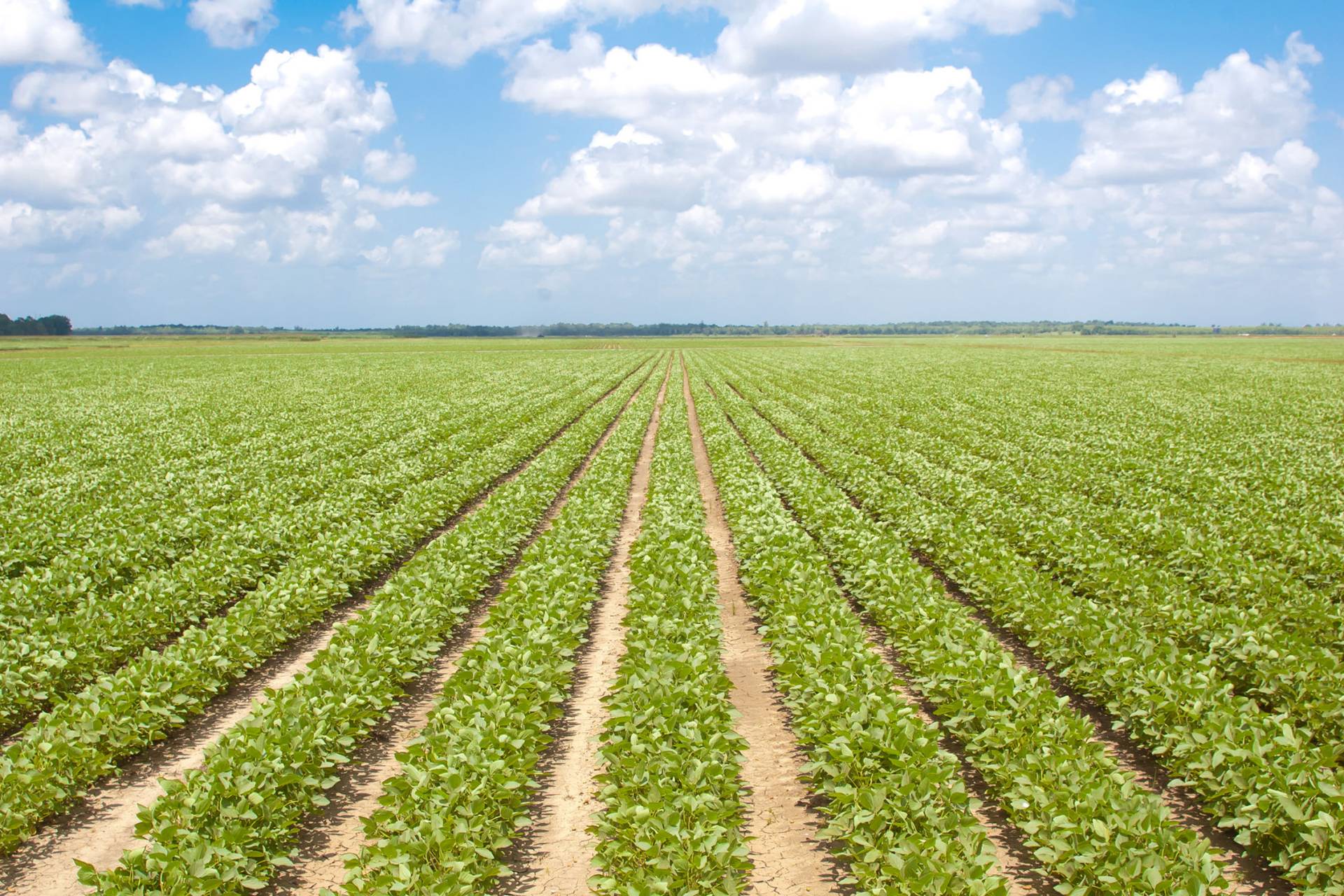
Cultivating and managing plants on a farm involves a combination of scientific methods and practical techniques aimed at maximizing crop yield and quality. This includes implementing crop rotation strategies, providing adequate irrigation and fertilization, and employing effective pest control measures.
Crop Rotation
Crop rotation is a practice where different crops are grown in the same area in a sequential order. This helps maintain soil fertility, reduce disease incidence, and control weeds. By rotating crops with different nutrient requirements and root structures, farmers can prevent soil depletion and promote a balanced ecosystem in the farm.
Irrigation
Irrigation is essential for providing water to crops, especially in regions with limited rainfall. Various irrigation methods are used, including surface irrigation (e.g., flood irrigation, furrow irrigation), sprinkler irrigation, and drip irrigation. The choice of irrigation method depends on factors such as crop type, soil conditions, and water availability.
Fertilization, Plants on a farm
Fertilization involves adding nutrients to the soil to enhance crop growth and yield. Organic fertilizers (e.g., manure, compost) and inorganic fertilizers (e.g., chemical fertilizers) can be used to provide essential nutrients like nitrogen, phosphorus, and potassium. Fertilization practices should consider soil nutrient levels, crop requirements, and environmental impact.
Pest Control
Pest control is crucial for protecting crops from insects, diseases, and weeds that can cause significant yield losses. Integrated pest management (IPM) approaches combine biological, cultural, and chemical methods to minimize pest damage while preserving beneficial organisms and the environment.
Economic and Environmental Impact of Farm Plants
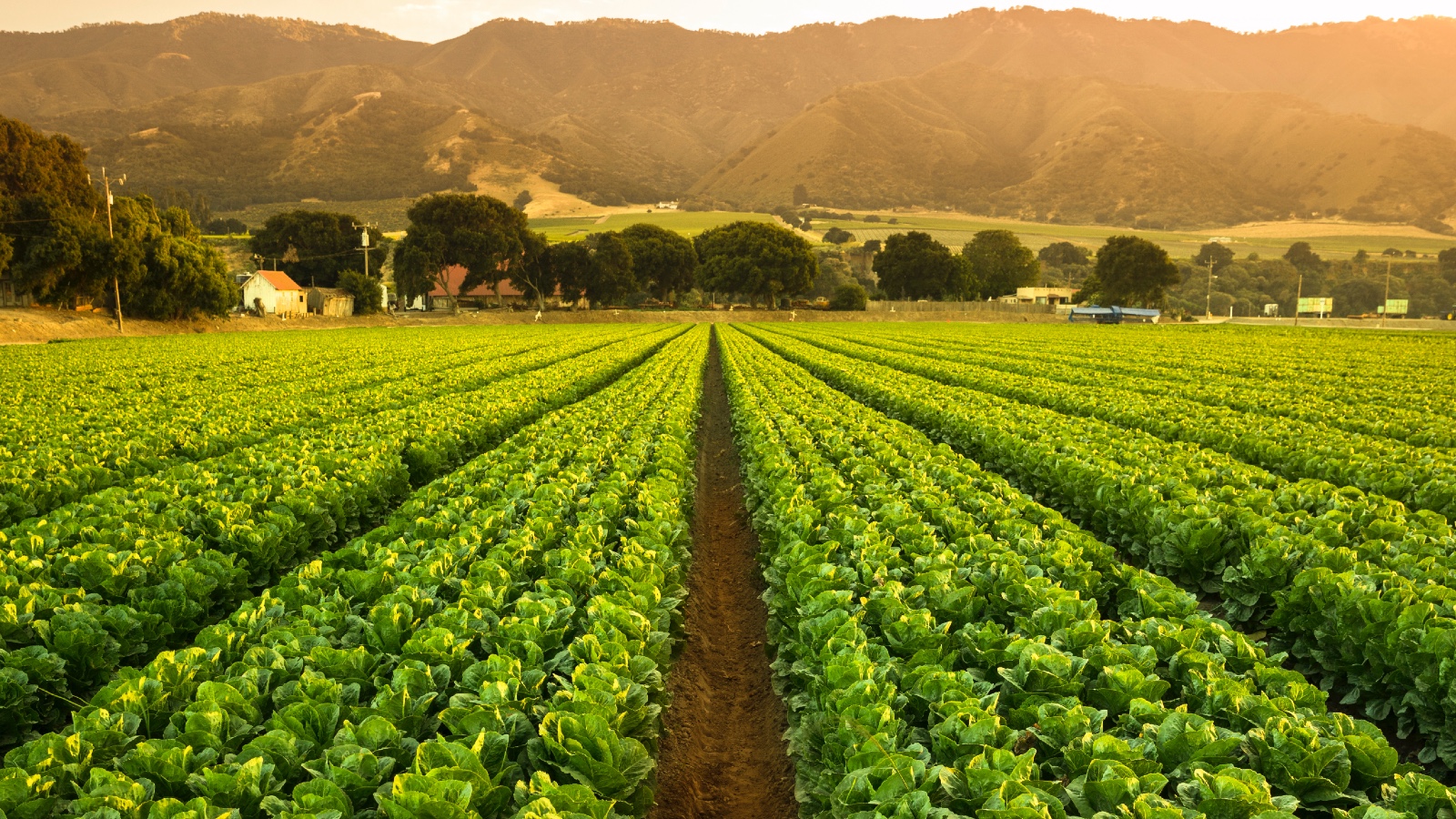
Farm plants are the backbone of global food production and agricultural industries. Their cultivation has a significant economic impact, contributing to food security, job creation, and economic growth. Moreover, farm plants play a crucial role in maintaining environmental balance, influencing soil health, water usage, and carbon footprint.
Economic Significance
- Food Production: Farm plants provide the vast majority of calories and nutrients consumed by humans and livestock. They are the primary source of carbohydrates, proteins, vitamins, and minerals essential for a balanced diet.
- Agriculture-Related Industries: The cultivation and processing of farm plants support numerous industries, including food processing, packaging, transportation, and agricultural equipment manufacturing. These industries create employment opportunities and contribute to economic development.
- Export Revenue: Farm plants are major export commodities for many countries. The international trade of agricultural products generates revenue and supports the economies of both exporting and importing nations.
Environmental Impact
The cultivation of farm plants has both positive and negative environmental impacts.
Positive Impacts
- Soil Health: Farm plants help maintain soil health by improving soil structure, reducing erosion, and adding organic matter. They also assist in nutrient cycling and water retention.
- Carbon Sequestration: Farm plants absorb carbon dioxide from the atmosphere during photosynthesis. This process contributes to carbon sequestration, mitigating the effects of climate change.
- Water Filtration: Plant roots help filter water and reduce nutrient runoff, improving water quality in rivers and streams.
Negative Impacts
- Water Usage: Some farm plants require significant amounts of water for irrigation, which can strain water resources in arid and semi-arid regions.
- Fertilizer Runoff: Excessive fertilizer application can lead to nutrient runoff, causing water pollution and eutrophication.
- Pesticide Use: The use of pesticides to control pests and diseases can have adverse effects on non-target organisms and the environment.
Sustainable Farming Practices
To minimize the environmental impact of farm plants while maximizing productivity, sustainable farming practices are essential.
- Crop Rotation: Alternating different crops in a field over time helps maintain soil health, reduce disease incidence, and control weeds.
- Cover Crops: Planting cover crops during fallow periods protects soil from erosion, improves soil structure, and suppresses weeds.
- Integrated Pest Management (IPM): IPM combines biological, cultural, and chemical methods to control pests and diseases, reducing the reliance on pesticides.
- Precision Farming: Utilizing technology to optimize crop management practices, such as variable-rate application of fertilizers and pesticides, reduces environmental impact and improves yields.
- Organic Farming: Organic farming practices prohibit the use of synthetic pesticides and fertilizers, promoting biodiversity and reducing environmental pollution.